What makes an advertisement unforgettable doesn’t lie in a clever slogan or flashy visuals. It’s the way an ad makes people feel. The most iconic campaigns inspire, move, and connect with audiences on a personal level. In this guide, we’ll explore 21 legendary advertising examples that changed the way people see brands.
In This Article:
21 Famous Advertisements To Learn From
Apple – 1984
When Apple launched the Macintosh, it didn’t advertise a computer; it advertised rebellion. The 1984 Super Bowl ad depicted a heroine smashing conformity in a grey, controlled world.
This bold metaphor for creativity positioned Apple as the brand for dreamers and innovators. It showed that products can represent ideals far beyond their function.
Key Takeaway: Emotional storytelling that aligns a product with freedom or identity can make a brand unforgettable.

Nike – Just Do It
Nike’s Just Do It campaign was a movement. Featuring athletes from every walk of life, it reminded people that determination is universal. The phrase spoke to anyone facing challenges, not just professional sports stars. Over time, it became part of everyday motivation.
Key Takeaway: A short, emotionally charged message that taps into human drive can transform a brand into a lifestyle symbol.

Coca-Cola – Share a Coke
Coca-Cola’s Share a Coke campaign was one of the best advertisements of all time. Starting with a simple concept of putting names on bottles, it turned into a global phenomenon. People hunted for their names, shared photos, and bought drinks for friends.
It wasn’t just a beverage anymore; it was a token of connection. This personalization made one of the world’s biggest brands feel intimate and human.
Key Takeaway: Personalization and participation create emotional bonds, making audiences feel like part of the brand story.
Volkswagen – Think Small
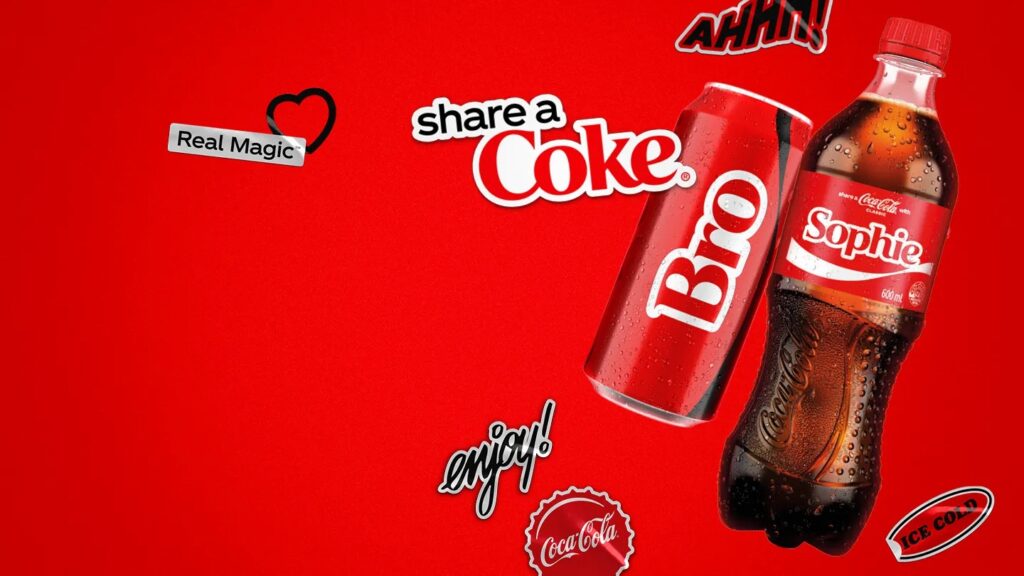
In the 1960s, car ads focused on luxury and power. Volkswagen took the opposite approach. Its Think Small campaign embraced honesty and humor to promote the humble Beetle.
The minimalist design and self-aware copy stood out from the loud competition, winning over customers through wit and authenticity.
Key Takeaway: Simplicity, truth, and clever communication can outshine flashy marketing when done with confidence.
Dove – Real Beauty
Dove’s Real Beauty campaign redefined beauty standards by showcasing real women instead of models. It sparked global conversations about self-esteem and authenticity, helping people see beauty as confidence, not perfection. The message aligned perfectly with Dove’s product promise: care and naturalness.
Key Takeaway: When a brand’s purpose connects to a real social issue, it builds lasting emotional trust with audiences.

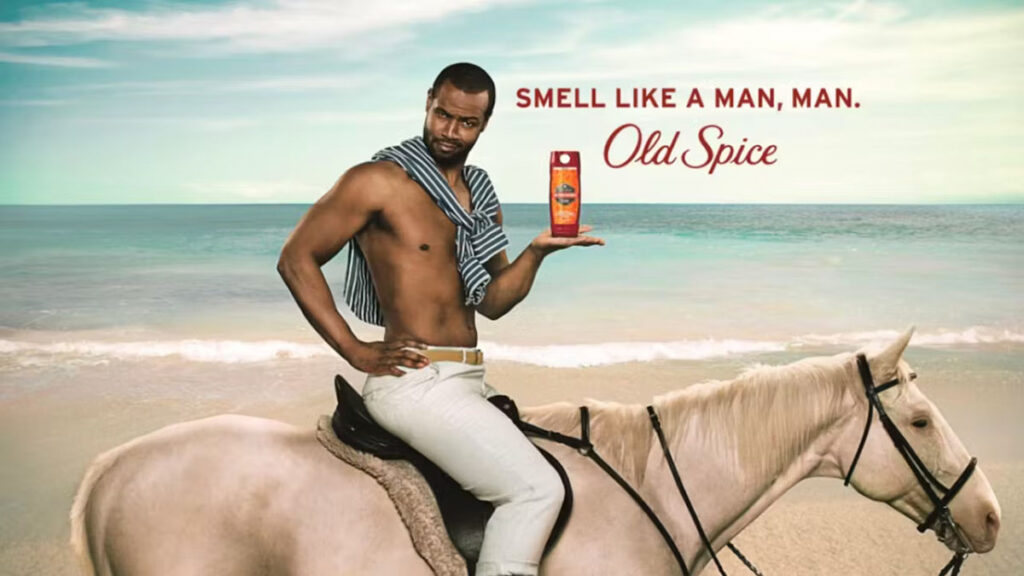
Old Spice – The Man Your Man Could Smell Like
Old Spice reinvented itself through humor and charm. The ad campaign featured a confident spokesman moving through absurd scenes with perfect delivery. It appealed to both men and women, using humor to modernize an outdated image. Its quick wit and memorable tone made it go viral across platforms.
Key Takeaway: Humor and self-awareness can refresh traditional brands and create mass appeal across demographics.
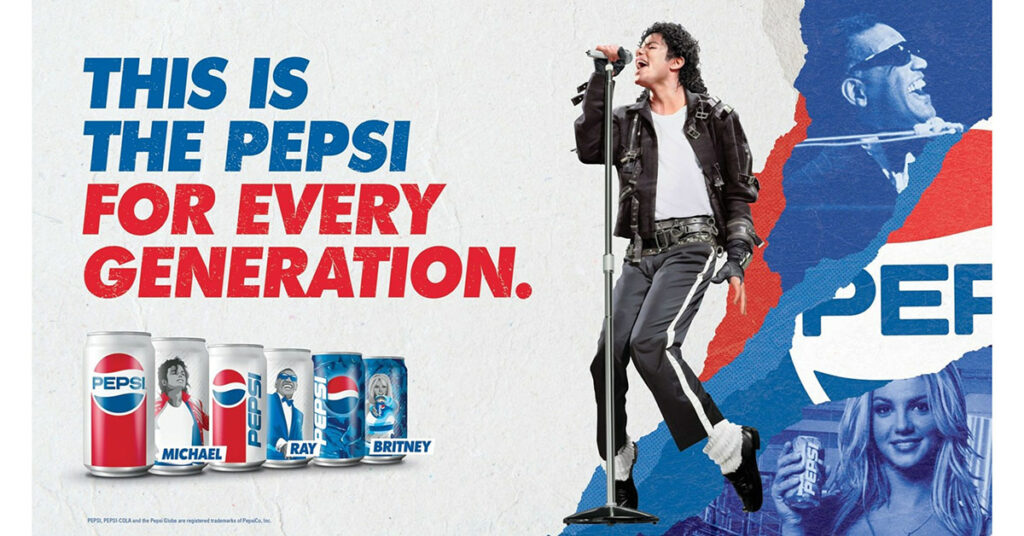
Pepsi – The Pepsi Generation
In the 1960s, Pepsi targeted youth with its Pepsi Generation campaign, celebrating energy, optimism, and individuality. Instead of selling taste, it sold belonging, being part of something cool and forward-looking. It positioned Pepsi as a symbol of modernity, contrasting Coke’s classic heritage.
Key Takeaway: When your brand represents a generation’s mindset, it becomes part of their cultural identity.
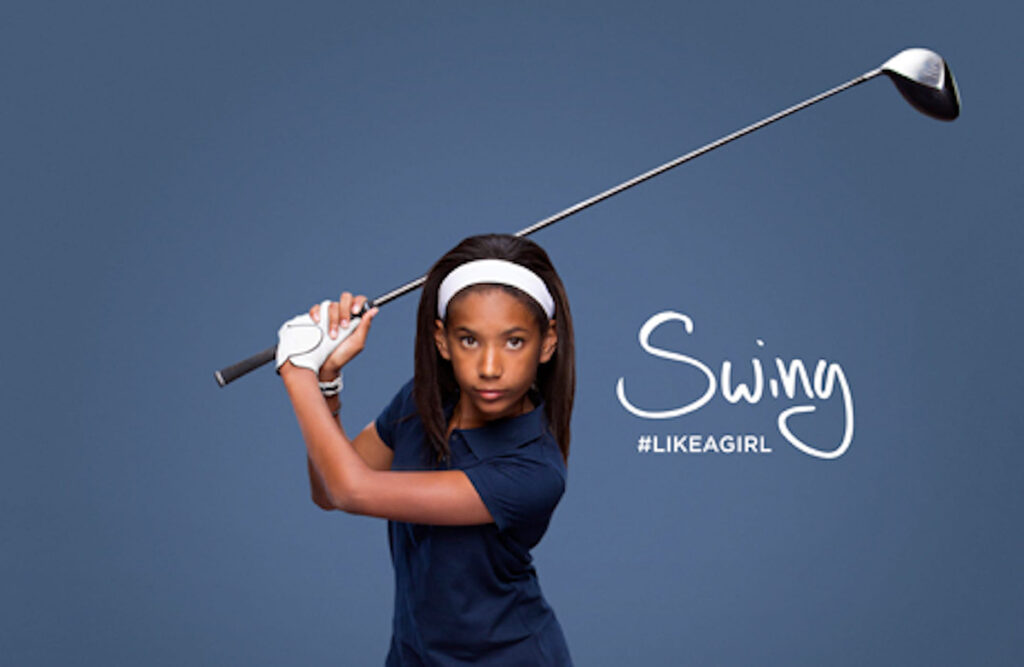
Always – Like a Girl
Always transformed a common insult into a statement of empowerment. By showing girls and women performing confidently, the campaign redefined what it means to do something “like a girl.” It turned a hygiene product into a platform for strength and pride.
Key Takeaway: Purpose-driven campaigns that challenge stereotypes make a deeper, more emotional impact on audiences.
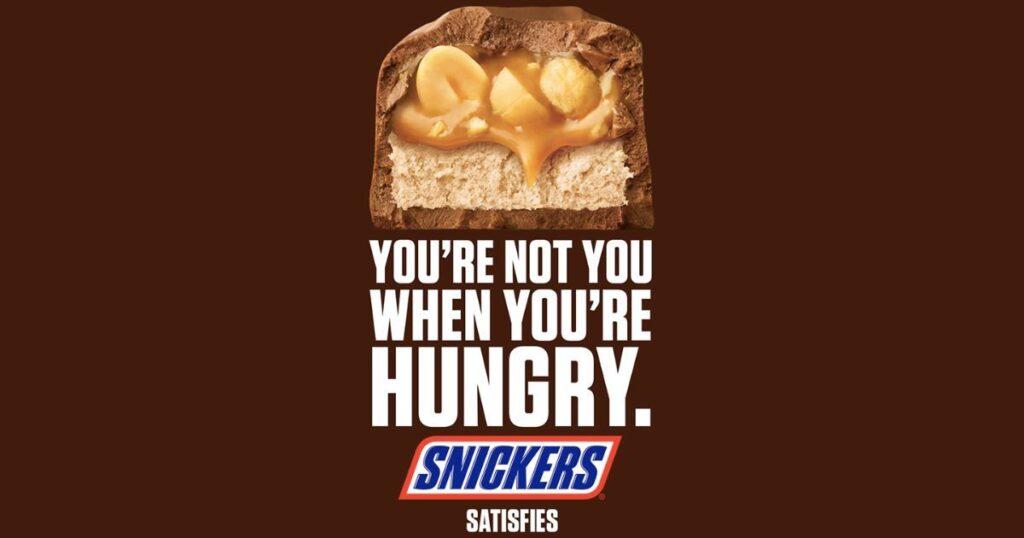
Snickers – You’re Not You When You’re Hungry
This global campaign used humor to show how hunger changes people’s personalities, featuring actors who transform back into themselves after eating a Snickers. It made a simple product benefit funny, relatable, and memorable. The concept adapted easily across markets and years.
Key Takeaway: A strong, repeatable idea rooted in human behavior builds lasting recognition and flexibility. Focusing on user-generated content should be the backbone of your advertising campaigns.
Google – Year in Search
Each year, Google turns data into emotion by highlighting the world’s most-searched moments: joy, loss, hope, and triumph. These short films capture humanity’s shared experiences, showing how search reflects what people care about most. It’s marketing that celebrates the audience, not the product.
Key Takeaway: Data-driven storytelling becomes powerful when it focuses on people’s emotions, not just statistics.

De Beers – A Diamond Is Forever
De Beers redefined love itself. With the phrase A Diamond Is Forever, the brand linked diamonds to eternal commitment, transforming a gemstone into a symbol of emotion and loyalty. This campaign changed how people viewed engagement rings and made diamonds a global tradition.
Key Takeaway: When a campaign ties a product to a universal human emotion, it can shape culture and create lasting demand.

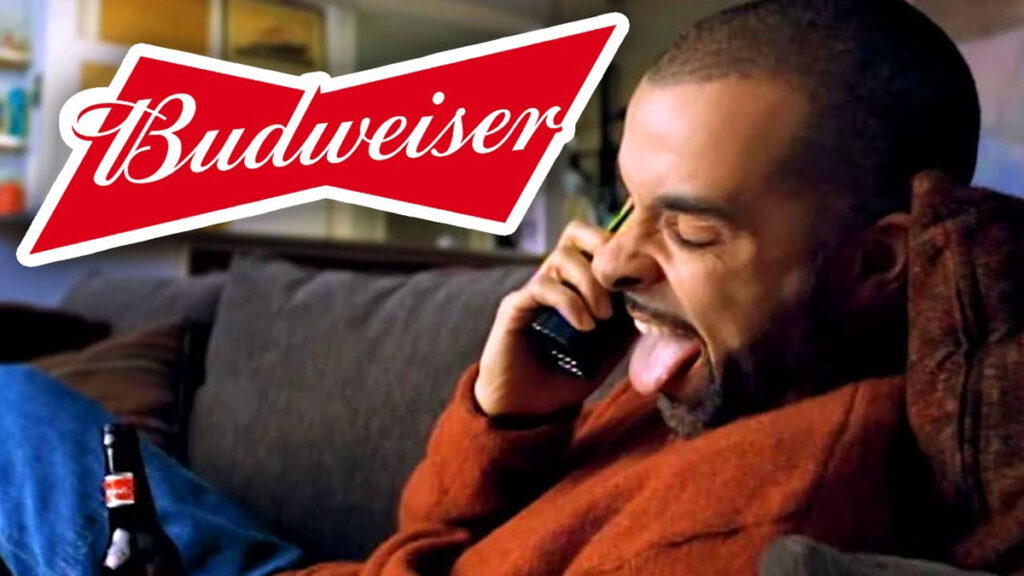
Budweiser – Wassup?!
A group of friends greeting each other with a simple “Wassup?!” became one of the most memorable catchphrases in advertising history. The humor, relatability, and easy imitation made it an instant classic. It wasn’t only about the beer but also about friendship and shared joy.
Key Takeaway: Simple, authentic, and funny moments can turn everyday behavior into a cultural phenomenon that strengthens brand identity.
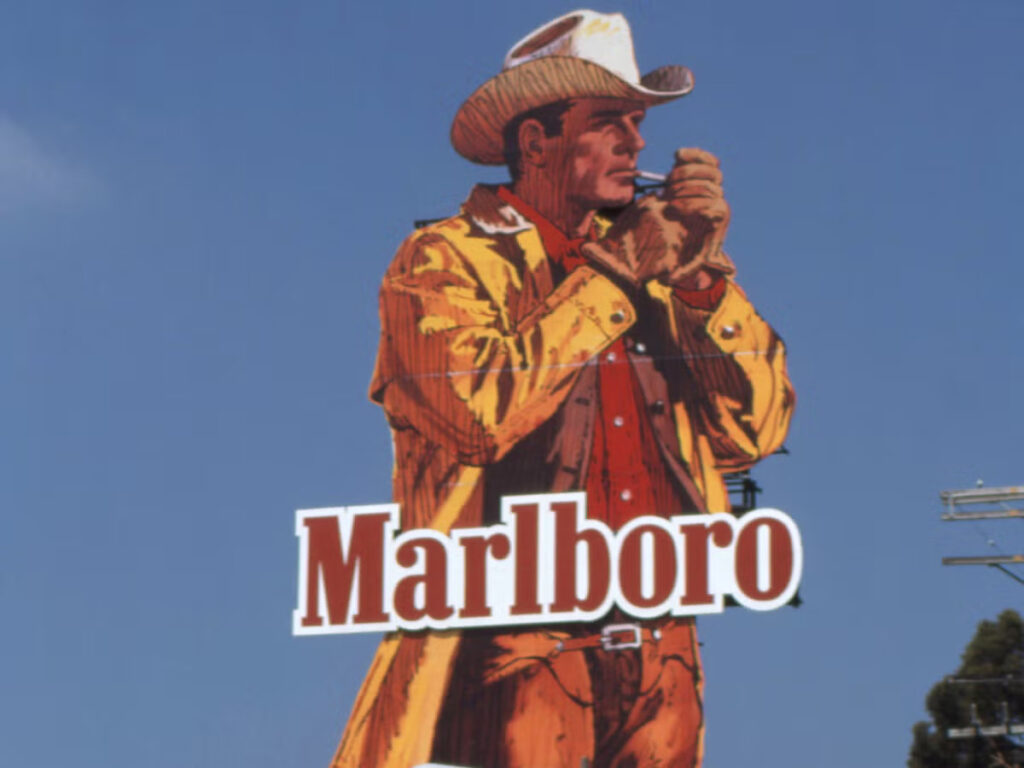
Marlboro – The Marlboro Man
Marlboro’s cowboy became a global symbol of rugged independence and masculinity. At a time when the brand needed to appeal to men, this campaign transformed its image completely. The powerful visuals and consistent tone made the Marlboro Man an icon that lasted decades.
Key Takeaway: Consistent visual identity and strong emotional archetypes can give a brand timeless appeal.
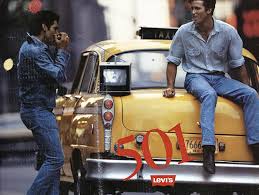
Levi’s – 501 Blues
Levi’s 501 Blues ad campaign in the 1980s celebrated individuality and self-expression through style and music. Each ad showed real people dancing, performing, and living freely in Levi’s jeans. The upbeat, authentic energy resonated deeply with youth culture.
Key Takeaway: Aligning your brand with cultural movements like music or art can make it feel relevant and alive.
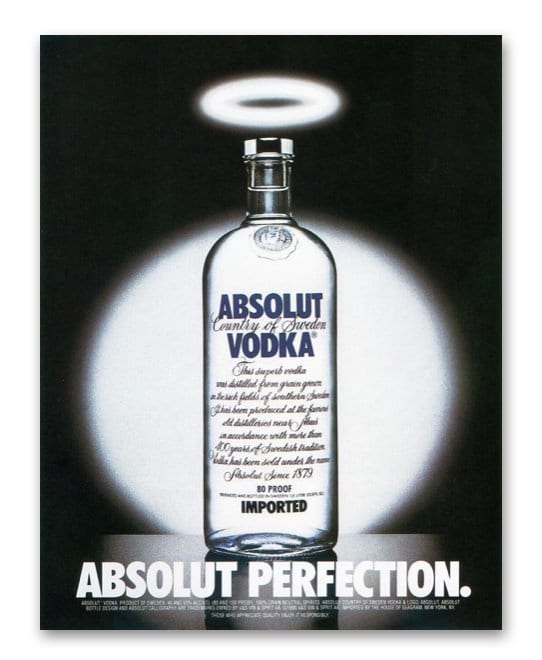
Absolut Vodka – The Bottle Campaign
Absolut turned its distinct bottle shape into a design icon. Every ad featured creative interpretations of the bottle, from cityscapes to art pieces, while keeping the core design intact. Over time, people recognized the silhouette instantly, even without the logo.
Key Takeaway: Visual consistency builds brand recognition. When done creatively, repetition becomes identity.
MasterCard – Priceless
MasterCard’s Priceless campaign captured the joy of life’s small but meaningful moments. By showing that some experiences are “priceless,” the ads shifted focus from transactions to emotion. It positioned MasterCard not as a credit tool but as a gateway to life’s most valued experiences.
Key Takeaway: Emotionally charged contrasts between money and meaning make campaigns resonate universally.
IKEA – Lamp
In IKEA’s Lamp commercial, a discarded lamp sits sadly in the rain until a narrator reminds viewers, “You feel bad for the lamp. That’s crazy. It has no feelings!” This clever twist celebrated sustainability and affordable design in a fresh, funny way.
Key Takeaway: Unexpected storytelling and humor can challenge assumptions while reinforcing brand values.

California Milk Processor Board – Got Milk?
The Got Milk? campaign used humor and simplicity to promote a basic product. Showing everyday situations where people desperately needed milk made it relevant again. The tagline became part of pop culture, appearing on shirts, posters, and parodies everywhere.
Key Takeaway: A short, adaptable slogan with strong visuals can transform even ordinary products into cultural symbols.

Guinness – Surfer
Guinness’s Surfer advertising campaign combined stunning cinematography and poetic narration to capture the thrill of waiting and the reward of patience. The crashing waves mirrored the pour of a Guinness pint, connecting product and emotion beautifully.
Key Takeaway: Visual metaphors and storytelling elevate a brand from product-focused to experience-driven.

Kylie Cosmetics – Lips That Speak for Themselves
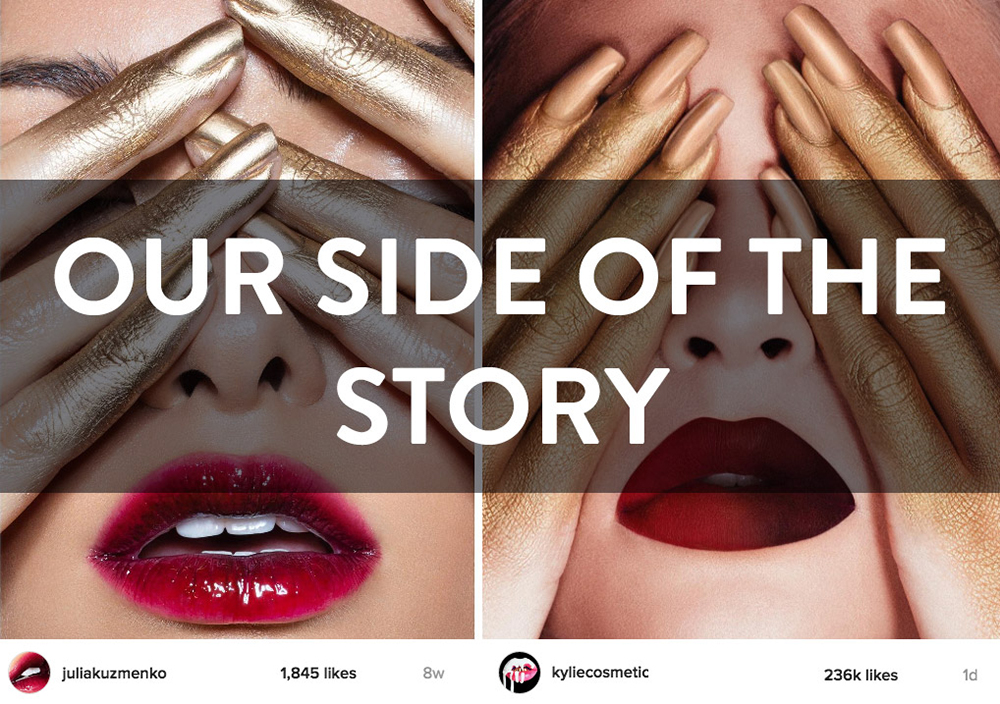
Kylie Cosmetics built an empire through consistent branding, including pink tones, lip-drip visuals, and social media storytelling. Every ad, post, and package reflected the same aesthetic: confidence and glamor. It wasn’t just makeup; it was a lifestyle built on identity and aspiration.
Key Takeaway: Cohesive design and brand personality create instant recognition and loyalty, especially for social media ads.
Apple – Get a Mac
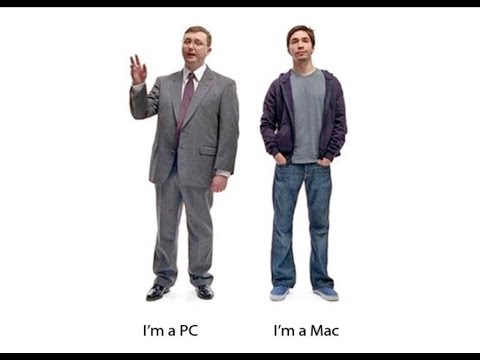
Apple’s Get a Mac campaign is also one of the best case studies. It featured two characters: the casual “Mac” and the stiff “PC.” Their humorous exchanges highlighted Apple’s simplicity and creativity while making competitors look outdated. The campaign’s friendly tone and relatable humor helped Apple dominate a crowded market.
Key Takeaway: Storytelling through relatable characters can make complex brand comparisons entertaining and persuasive.
What Makes Good Advertisements?
The best advertisements create connections, emotions, and memories. Here are the key features that make great ads stand out and stick in people’s minds:
- Emotional connection: Successful ads tap into universal feelings like happiness, nostalgia, or empowerment. When audiences feel something, they remember the message longer and associate it with the brand.
- Strong storytelling: Great ads tell stories, not sales pitches. Whether it’s Apple’s fight against conformity or Dove’s celebration of real beauty, a narrative helps audiences connect meaningfully with a brand’s values.
- Simplicity and clarity: The strongest messages are often the simplest. A clear visual and a concise message, like Nike’s Just Do It, can carry immense emotional power.
- Consistency in design and tone: Brands like Absolut and Kylie Cosmetics proved that consistent color, typography, and style create instant recognition. Repetition done creatively builds familiarity and trust.
- Cultural relevance: Ads that reflect social trends or cultural moments, such as Pepsi’s The Pepsi Generation, feel current and relatable. Aligning with what people care about makes a campaign shareable and lasting.
- Authenticity: People value honesty and transparency. Campaigns like Volkswagen’s Think Small succeeded because they embraced truth and humor instead of exaggeration.
- Purpose beyond profit: Modern audiences favor brands that stand for something. Ads like Always’ Like a Girl show that championing real causes earns loyalty beyond the product.
FAQs
Why do emotional ads perform better than logical ones?
Emotions create memory anchors. People remember how an ad campaign made them feel more than what it said. Emotional resonance helps brands build trust and long-term relationships.
What’s the ideal length for an effective ad?
There’s no fixed length; what matters is clarity. A 30-second commercial can be powerful if every second serves the story. Simplicity and focus are more important than duration.
How can small businesses create ads as impactful as big brands?
Small businesses can create a media buzz by focusing on authenticity and storytelling. You don’t need a massive budget. You need a message that feels real and emotionally relevant to your target audience.
Should brands take social or political stands in their ads?
Only if it aligns with their core values. Purpose-driven campaigns work when they feel genuine, not opportunistic. People can sense when a brand’s message lacks authenticity.
What’s the best platform for advertising today?
It depends on your audience. Social media offers reach and audience engagement for digital marketing, while video platforms are ideal for storytelling. The key is choosing where your target customers spend their attention.