An impactful advertisement tagline should be short, emotionally resonant, and clearly aligned with the brand’s identity and promise. You can use wordplay or rhythm to make it more catchy and attention-grabbing, but make sure it wraps up the brand’s value into a single, repeatable phrase. For example, just three words, “Just Do It,” perfectly capture Nike’s message of ambition and athleticism.
Scroll down for more tips and examples!
In This Article:
8 Things That Decide A Successful Commercial Slogans
Clarity and Brevity
A great slogan conveys a core idea in as few words as possible. Think of Nike’s “Just Do It;” these three words are instantly recognizable and packed with motivation. Advertisement slogans should be concise enough to be remembered after a single exposure yet rich enough to convey a message.
Emotional Resonance
Slogans that evoke feelings tend to stick. L’Oréal’s “Because You’re Worth It” taps into self-worth, while Airbnb’s “Belong Anywhere” appeals to the universal need for connection. Emotional content helps consumers form a deeper connection with brands, extending beyond the product itself.
Unique Brand Positioning
A strong slogan clearly differentiates a brand from its competitors. Taco Bell’s “Think Outside the Bun” is a classic example. It’s not just fast food; it’s an alternative to burgers. This distinction gives the brand a unique voice in a crowded market.
Consistency Across Touchpoints
Repetition builds brand recognition. Iconic slogans like “I’m Lovin’ It” (McDonald’s) or “The Quicker Picker Upper” (Bounty) have become embedded in culture because they’re used consistently across media, packaging, and advertising campaigns.
Clever Wordplay or Rhythm
Catchy slogans often rely on rhyme, alliteration, or a lyrical quality. Maybelline’s “Maybe she’s born with it. Maybe it’s Maybelline” uses repetition and flow to lodge itself in memory. Wordplay also adds personality and appeal.
Audience-Centric Language
Addressing the consumer directly can create an intimate connection. Capital One’s “What’s in Your Wallet?” and Burger King’s “Have It Your Way” both use second-person language to bring the target audience into the message.
Honesty and Realism
While slogans should inspire, they shouldn’t mislead. Red Bull’s “Gives You Wings” resulted in a lawsuit for being interpreted too literally. Successful slogans build trust by making believable promises grounded in brand truths.
Memorability Through Simplicity
A slogan that’s easy to remember will naturally spread further. This often means limiting word count, using familiar language, and embedding a simple idea. Apple’s “Think Different” achieves this perfectly in just two words.
20 Famous Advertising Slogans To Learn From
Nike – “Just Do It”
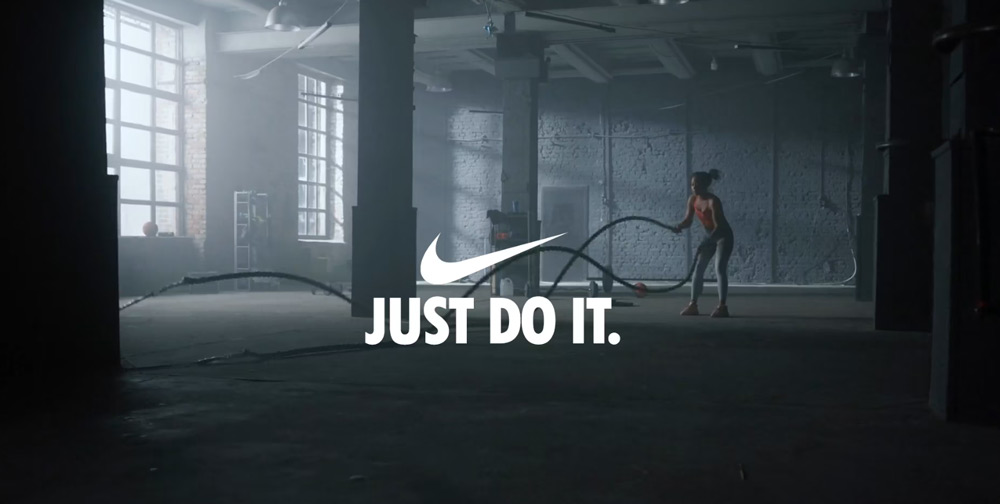
Perhaps the most iconic slogan ever, “Just Do It,” encapsulates action, courage, and universal motivation. Its brilliance lies in its simplicity, encouraging anyone, regardless of fitness level, to take that first step. It’s short, memorable, and perfectly aligns with Nike’s brand philosophy of empowerment and athletic spirit.
Apple – “Think Different”
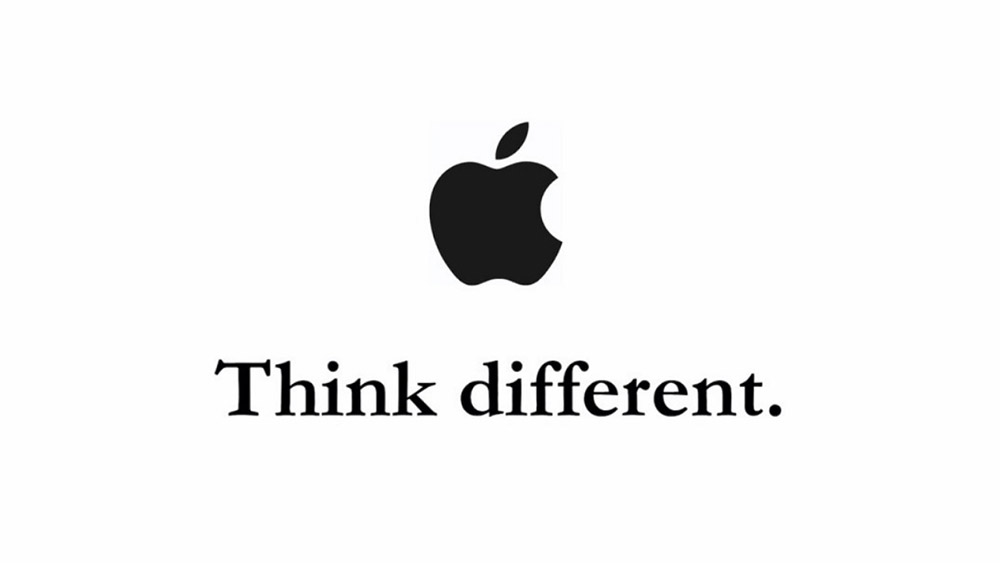
Apple’s slogan redefined innovation with just two words. It appeals to individualism, creativity, and non-conformity, aligning deeply with the brand’s user base of artists, visionaries, and rebels. This minimalist line stands as one of the most creative advertising slogans in history.
L’Oréal – “Because You’re Worth It”
This empowering phrase shifted beauty marketing toward self-value. It speaks directly to consumers, particularly women, instilling confidence and justifying indulgence. It’s emotionally resonant, aspirational, and a strong example of how slogans can become rallying cries.
McDonald’s – “I’m Lovin’ It”
McDonald’s injects emotional pleasure into fast food with this slogan. The use of a present-tense, first-person voice creates a sense of immediacy and connection. Its rhythmic jingle also boosted brand recall worldwide, showing the power of auditory branding.
De Beers – “A Diamond Is Forever”
This line turned diamonds into symbols of eternal love, transforming the way people view engagement rings. It’s poetic and durable, used for over 70 years, making it one of the most catchy advertising slogans in history.
State Farm – “Like a Good Neighbor, State Farm Is There”

By comparing itself to a good neighbor, State Farm communicates trust and reliability, which are qualities essential for insurance. The jingle helps embed the message, while the sentiment builds emotional assurance.
Red Bull – “Red Bull Gives You Wings”
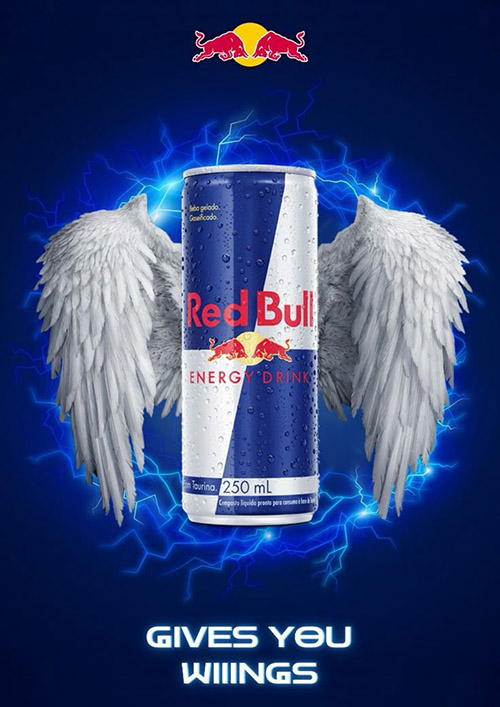
Despite a lawsuit over its literal interpretation, this slogan captured energy, ambition, and limitless potential. Its imaginative metaphor is memorable, appealing to thrill-seekers and athletes alike, highlighting how bold claims (with care) can elevate a brand.
Maybelline – “Maybe She’s Born With It. Maybe It’s Maybelline.”
This slogan plays with ambiguity and charm, using cadence and contrast to suggest effortless beauty. It’s an elegant blend of modesty and brand pride, becoming an earworm that enhances memorability.
Burger King – “Have It Your Way”
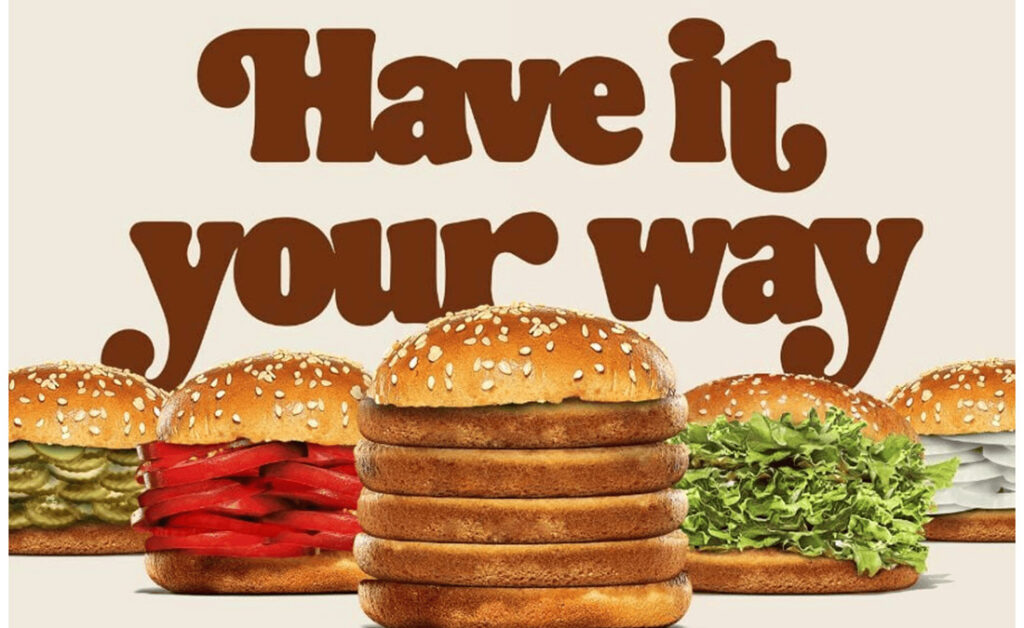
Burger King made personalization its unique selling point, empowering customers through customization. It sets the brand apart from rigid fast food norms and emphasizes the freedom of choice, a timeless strategy.
Taco Bell – “Think Outside the Bun”
A pun-based slogan that breaks from burger-dominated fast food narratives, this line humorously asserts Taco Bell’s uniqueness. It uses wordplay to encourage curiosity while reinforcing product differentiation. No buns, just tacos. The slogan appeals to younger audiences seeking novelty, making it a standout among funny advertising slogans with strategic depth.
Capital One – “What’s in Your Wallet?”
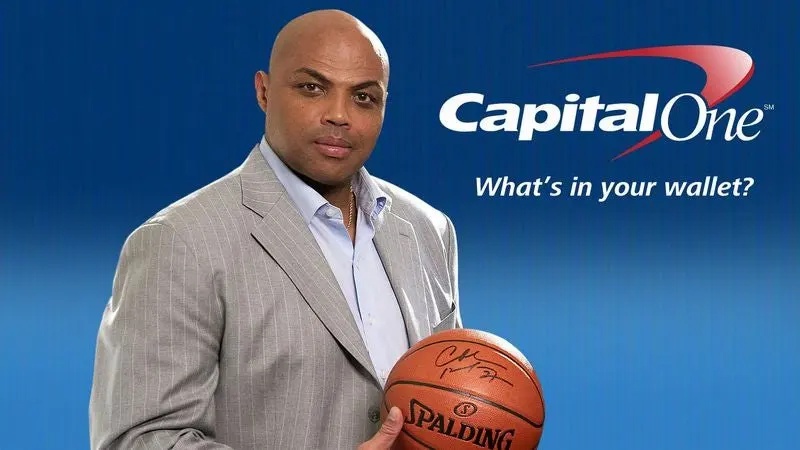
This direct question initiates internal reflection, inviting the target audience to evaluate their financial choices. By personalizing the message and implying that Capital One might offer a better alternative, it creates a dialogue-like engagement. The simplicity of the phrase also enhances its utility across multimedia ads and celebrity endorsements.
The New York Times – “All the News That’s Fit to Print”
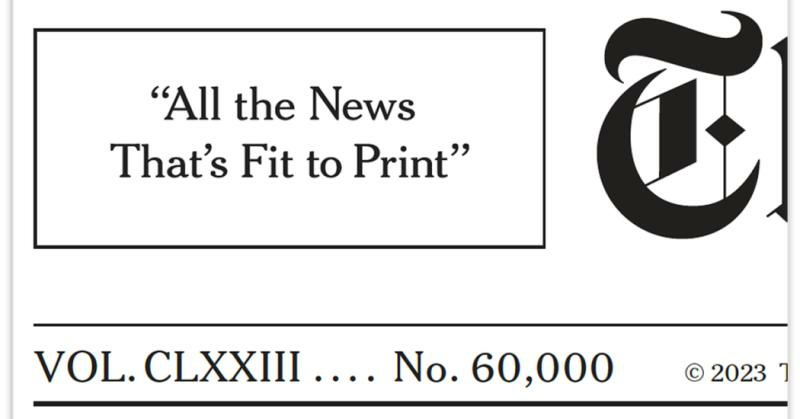
A legacy slogan from 1897, it projects credibility, ethical journalism, and editorial authority. Its formal tone reassures readers of the paper’s standards. Even in the digital age, this line remains etched on every print edition. This is proof of how a well-phrased value proposition can outlive entire media shifts.
Goldfish – “The Snack That Smiles Back”
This company slogan anthropomorphizes the product, infusing friendliness and approachability. The rhyme makes it catchy, while the “smile” builds an emotional bond with children and parents alike. It not only supports product identity (the smile-shaped cracker) but elevates brand personality – wholesome, fun, and positive.
Toyota – “Let’s Go Places”
More than a driving slogan, it speaks to shared experiences and exploration. The use of “Let’s” fosters a partnership between the brand and the consumer, making Toyota feel like a trusted companion. It also communicates the brand’s versatility. Whether it’s urban or rural, it’s always adventure-ready. This aligns with Toyota’s wide market reach and reliability ethos.
Airbnb – “Belong Anywhere”
This phrase transforms travel into a human experience. It promotes inclusivity and challenges the traditional hospitality model by emphasizing cultural immersion. The company slogan encapsulates Airbnb’s mission to democratize travel, redefine comfort, and foster local living. It’s emotionally potent and broad in scope, appealing across generations.
Bounty – “The Quicker Picker Upper”
This rhyming slogan uses alliteration and benefit-based messaging to emphasize speed and effectiveness. Its jingle format makes it easy to recall and hard to forget, perfect for household branding.
FedEx – “When It Absolutely, Positively Has to Be There Overnight”
This line delivers urgency and assurance, clearly expressing the service’s main benefit. It’s long by today’s standards, but its specificity made it highly persuasive in a time-sensitive industry.
Las Vegas – “What Happens Here, Stays Here”
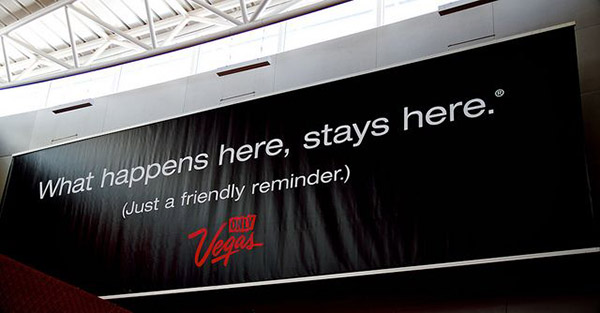
This slogan exudes secrecy and allure. It positions Las Vegas as a space of uninhibited freedom, appealing to escapism. Its cultural resonance makes it among the best advertising sentences in tourism.
Subway – “Eat Fresh”
Two simple words convey health, choice, and cleanliness. Subway set itself apart in the fast food space by emphasizing freshness. This is a trait that became central to its brand name.
Heinz – “Beanz Meanz Heinz”
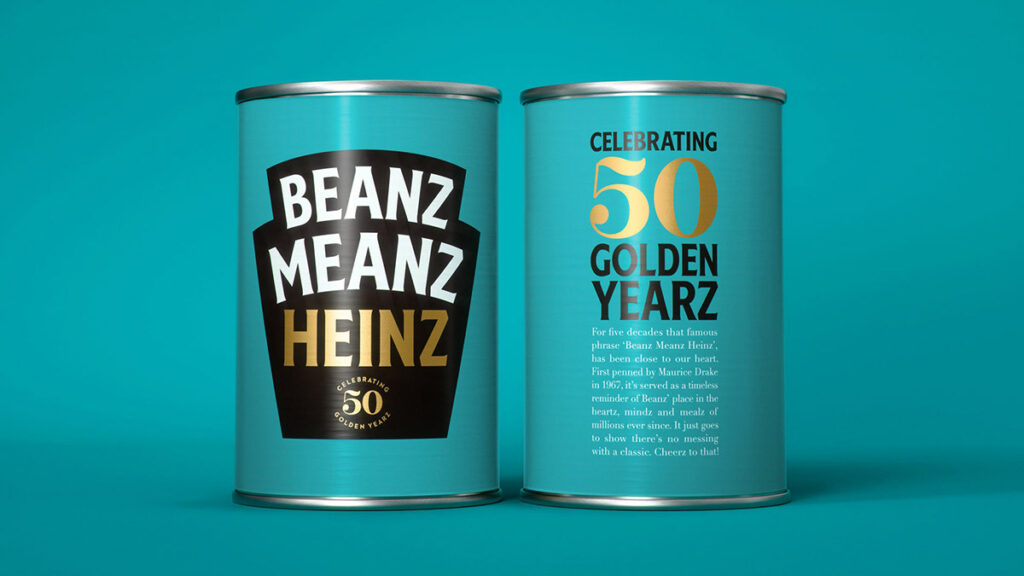
This quirky British slogan employs rhyme and repetition to integrate the product with the brand seamlessly. Its offbeat tone adds charm, proving that unusual phrasing can enhance distinctiveness.
M&Ms – “Melts in Your Mouth, Not in Your Hand”
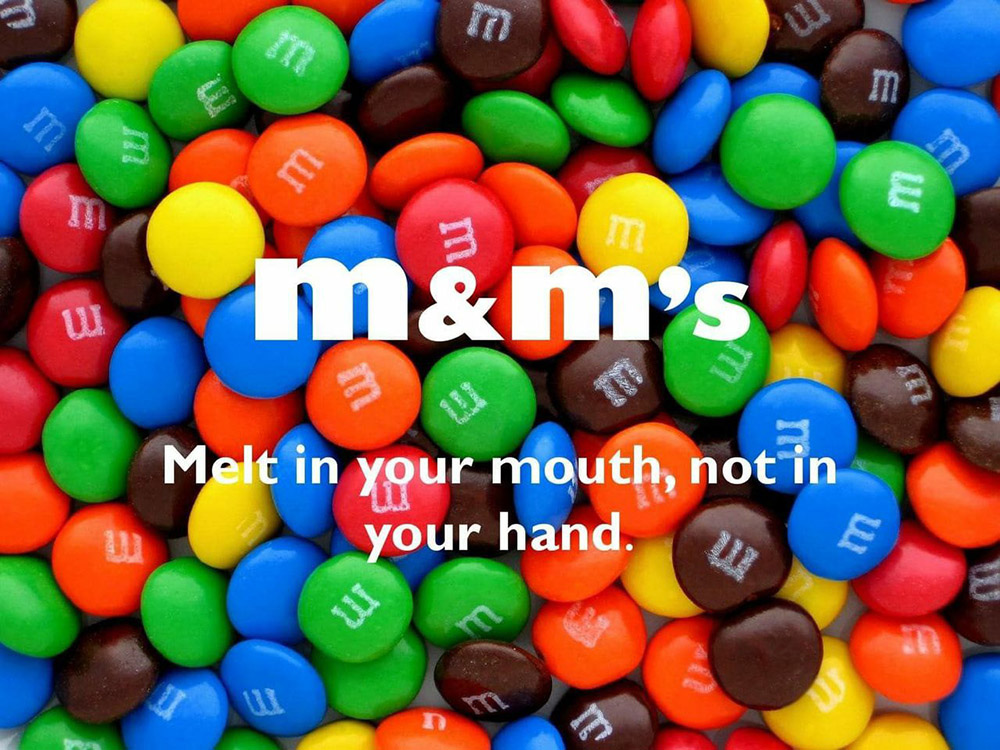
This slogan delivers a practical benefit while evoking a sensory image. It reassures consumers, especially parents, that M&Ms are a mess-free candy. The contrast it presents also makes it memorable, placing M&Ms in a unique product category among chocolates.
Geico – “15 Minutes Could Save You 15% or More on Car Insurance”
This line blends a time-based incentive with financial savings, a perfect combo for conversion. The structure is more like a sales pitch than a slogan, but it works. Its repetitive use in ads makes it part of public consciousness.
IMAX – “Think Big”
Short and powerful, this slogan mirrors IMAX’s immersive cinematic experience. It invites consumers to embrace grandeur and imagination, echoing the brand’s visual scale.
Harley-Davidson – “American by Birth. Rebel by Choice.”

This line taps into national pride and personal identity, perfectly suited to Harley’s rugged brand persona. It resonates with a lifestyle of freedom, resistance to conformity, and raw power. The contrast between birth and choice highlights self-determination, a timeless driver of loyalty in lifestyle branding.
KFC – “Finger Lickin’ Good”
Sensory and informal, this slogan invites indulgence. It celebrates taste without pretense, humanizing the product experience. Though simple, it conveys strong confidence in the product and creates an emotional image of satisfaction. Its longevity and adaptability have cemented it in global food culture.