Great marketing campaigns do more than grab attention. They shape conversations, shift perceptions, and build loyalty. Some have become cultural milestones, redefining how brands connect with people. Here, we’ve gathered 15 standout product marketing examples that demonstrate what it takes to turn ideas into influence. Get the ball rolling!
In This Article:
Types Of Marketing Campaign
Product Marketing Campaigns
Product marketing campaigns are designed to promote a specific product or service. They focus on communicating the product’s features, benefits, and value proposition to the target audience.
These campaigns often align with product launches, updates, or seasonal offerings, aiming to increase awareness, generate interest, and drive sales. Strong positioning, clear messaging, and effective distribution channels are essential for making product campaigns successful and impactful.
Brand Awareness Campaigns
Brand awareness campaigns aim to make a company or product more recognizable and memorable among its target audience. Rather than focusing on immediate sales, they build long-term visibility, brand presence, and brand equity.
These campaigns often highlight values, personality, and mission, creating emotional connections that keep the brand top-of-mind. The primary goal is to establish brand recognition so that when consumers are ready to buy, the brand is their first choice.
Content Marketing Campaigns
Content marketing campaigns focus on creating and distributing valuable, relevant, and consistent content to attract and engage a target audience. The goal is to inform, educate, or entertain while positioning the brand as a trusted authority.
These campaigns can include blogs, videos, podcasts, infographics, or whitepapers. By offering meaningful insights, content campaigns nurture long-term relationships, support SEO, and create a natural pathway from awareness to customer conversion.
Email Marketing Campaigns

Email marketing campaigns use personalized, targeted messages delivered directly to a subscriber’s inbox. They are cost-effective, measurable, and versatile, serving goals from lead nurturing and promotions to loyalty-building.
Effective campaigns segment audiences, craft compelling subject lines, and deliver value in each message. Automation tools enhance performance by sending the right message at the right time, keeping audiences engaged and nudging them toward meaningful actions like purchases or signups.
Social Media Marketing Campaigns

Social media marketing campaigns leverage platforms like Facebook, Instagram, TikTok, LinkedIn, and X to connect with audiences at scale. They combine creative content, community engagement, and sometimes paid advertising to achieve brand visibility, engagement, or conversions.
These campaigns thrive on shareability, real-time interaction, and cultural relevance. Successful social strategies rely on consistent posting, audience listening, and adapting quickly to trends that resonate with the community.
Public Relations (PR) Campaigns
PR campaigns focus on managing a brand’s image, reputation, and communication with the public. These campaigns may address product launches, crisis management, community relations, or thought leadership.
The goal is to shape positive perceptions and foster trust among stakeholders, customers, and the media. PR relies on storytelling, press releases, events, and partnerships. When executed well, it creates credibility, amplifies visibility, and strengthens long-term relationships with audiences.
Influencer Marketing Campaigns
Influencer marketing campaigns partner with individuals who have strong followings and credibility within a niche or broader community. These campaigns leverage the influencer’s voice to authentically connect with target audiences. They work because people trust recommendations from individuals more than traditional ads.
Whether through product endorsements, sponsored content, or long-term collaborations, influencer campaigns can expand reach, build trust, and drive engagement by tapping into pre-existing communities.
Affiliate Marketing Campaigns
Affiliate marketing campaigns rely on partnerships with third-party promoters who earn a commission for driving traffic, leads, or sales. This performance-based model benefits both the business and affiliates by aligning incentives.
These campaigns often use tracking links, unique discount codes, or referral systems to monitor results. They are scalable and cost-efficient since businesses pay only for measurable outcomes, making affiliate campaigns attractive for growth-oriented marketing strategies.
Referral Marketing Campaigns
Referral marketing campaigns encourage existing customers to recommend products or services to friends, family, or colleagues. They often include incentives like discounts, rewards, or credits for both the referrer and the new customer.
By tapping into trust between peers, referral campaigns generate high-quality leads with a lower acquisition cost. These campaigns also deepen customer loyalty, since participants feel valued for spreading the word about the brand.
Event Marketing Campaigns
Event marketing campaigns revolve around in-person or virtual experiences designed to engage audiences directly. They include product launches, trade shows, webinars, or pop-up events. The focus is on building relationships, generating leads, and creating memorable touchpoints.
Event campaigns often blend education, entertainment, and networking opportunities, allowing brands to showcase expertise while interacting face-to-face. This type of campaign strengthens community connections and fosters lasting impressions.
Paid Advertising Campaigns

Paid advertising campaigns use purchased media placements to quickly reach a target audience. They include pay-per-click (PPC) ads, display banners, social media ads, or sponsored content.
The primary advantage is precise targeting and measurable results, as businesses can track clicks, impressions, and conversions in real time. These campaigns are highly flexible in scale and budget, making them an essential tool for driving traffic, visibility, and sales efficiently.
Key Components Of A Marketing Campaign
Clear Objectives
Every successful campaign begins with clear, measurable objectives. These campaign goals define what the campaign aims to achieve, whether it’s brand awareness, lead generation, customer acquisition, or sales growth.
Objectives act as a guiding framework for strategy and execution, ensuring every action taken is purposeful. Without defined outcomes, campaigns risk losing direction and failing to deliver meaningful results that align with broader business goals.
Target Audience
Understanding the target audience is crucial for crafting messages that resonate. Campaigns should be tailored to specific demographics, psychographics, or behavioral segments.
Insights into customer needs, preferences, and motivations help marketers design relevant messaging and select the right channels. A well-defined audience ensures that resources are not wasted and that the campaign reaches people who are most likely to engage and convert into loyal customers.
Core Message
The core message communicates the central idea or value proposition of the campaign. It should be simple, memorable, and aligned with the brand’s identity. Strong messaging speaks directly to the audience’s needs or aspirations, positioning the brand as the solution or ally.
A focused message creates consistency across all touchpoints, ensuring that whether seen in an ad, email, or event, the campaign feels unified and impactful.
Channels And Platforms
Choosing the right channels and platforms determines how effectively a campaign reaches its audience. This may include digital platforms like social media, email, and websites, or traditional avenues like print, television, and events.
The choice depends on where the audience spends time and how they prefer to consume information. Strategic channel selection maximizes visibility, strengthens engagement, and ensures the message is delivered where it matters most.
Creative Assets
Creative assets bring the campaign to life through visuals, copy, video, and design elements. These assets should be aligned with the campaign’s objectives, audience preferences, and core message.
Strong creative execution captures attention, communicates value, and differentiates the brand from competitors. Whether bold and playful or sleek and professional, the design choices must reinforce the overall strategy and create a lasting impression in the minds of consumers.
Budget And Resources
A well-planned budget and allocation of resources are essential to campaign success. This includes financial investment, time, tools, and human capital. Proper budgeting ensures that the campaign can be executed effectively without overspending or stretching resources too thin.
Marketers should balance paid, owned, and earned media within budget constraints, while also planning contingencies. Careful resource management maximizes return on investment and keeps the campaign sustainable.
Timeline And Execution Plan
A structured timeline ensures that campaigns progress smoothly from planning to launch and evaluation. This includes setting milestones, deadlines, and assigning responsibilities to team members. A detailed execution plan keeps all stakeholders aligned, minimizes delays, and ensures timely delivery.
Campaigns often involve multiple moving parts, so having a timeline prevents miscommunication, maintains accountability, and provides clarity on when each component should be rolled out.
Measurement And Analytics
Measurement allows marketers to track performance and determine whether objectives are being met. Key performance indicators (KPIs) such as reach, engagement, conversion rates, or ROI should be established from the start.
Analytics tools provide real-time data that guide adjustments, allowing campaigns to stay agile and effective. Regular evaluation ensures that successes are celebrated, shortcomings are addressed, and insights are captured to improve future campaigns.
15 Best Marketing Campaigns To Learn From
Always – “Like a Girl”
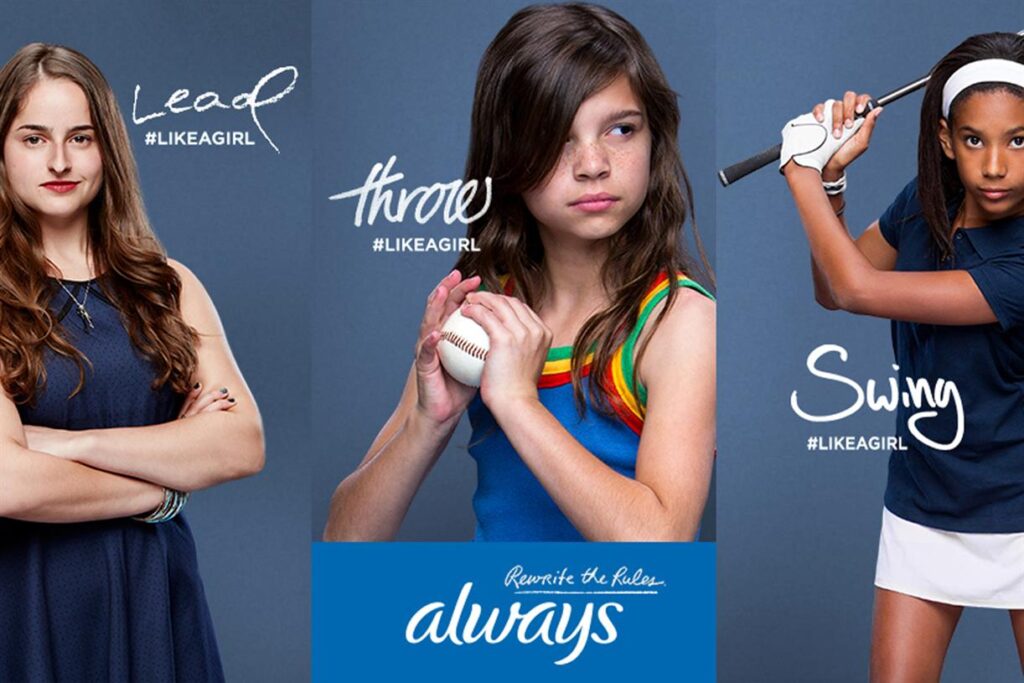
Always transformed a common insult into a rallying cry for empowerment. By reframing the phrase “like a girl,” the campaign shifted perceptions and sparked global conversations about confidence and gender equality.
Its success stemmed from emotional storytelling, cultural relevance, and a powerful call for change. Rather than pushing products, Always created a movement that strengthened its brand identity while resonating deeply with consumers worldwide.
Red Bull – Stratos Jump
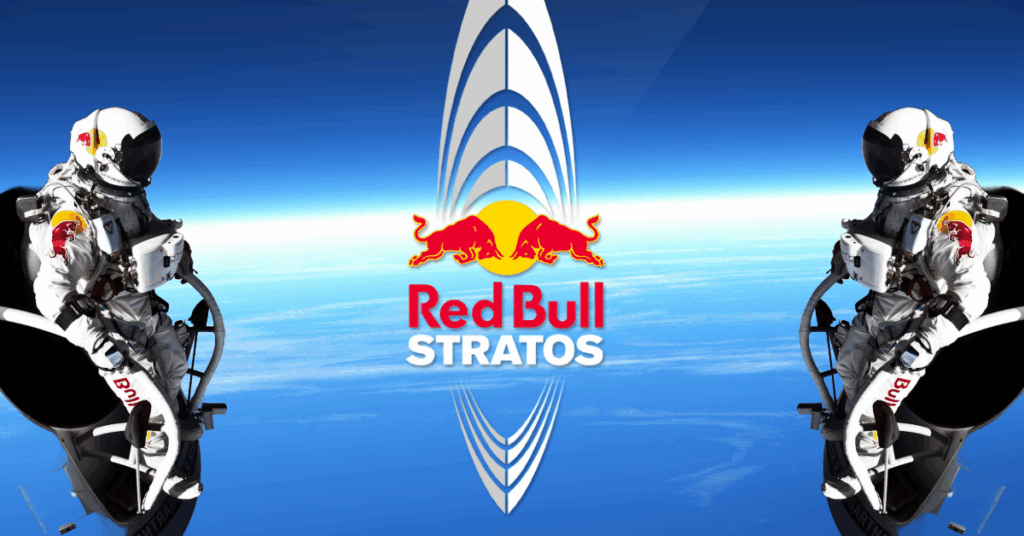
When Felix Baumgartner leapt from the edge of space, Red Bull wasn’t just selling an energy drink. It was selling an idea of human possibility. The Stratos campaign blurred the lines between marketing and science, capturing millions of live viewers.
It succeeded because it embraced spectacle, risk, and adventure, perfectly aligned with Red Bull’s extreme sports DNA. This campaign set a benchmark for brand storytelling on a cosmic scale.
Oreo – “Dunk in the Dark”

During the Super Bowl blackout in 2013, Oreo created a buzz with a simple tweet on X: “You can still dunk in the dark.” That wasn’t really a well-planned social media campaign, but the post became viral instantly, proving that agility and timeliness can rival million-dollar ad buys.
What made it stand out was its simplicity, no flashy production, just clever cultural awareness. Oreo demonstrated how quick thinking on social media could catapult a brand into the spotlight and redefine a digital marketing campaign.
Dove – Real Beauty Sketches
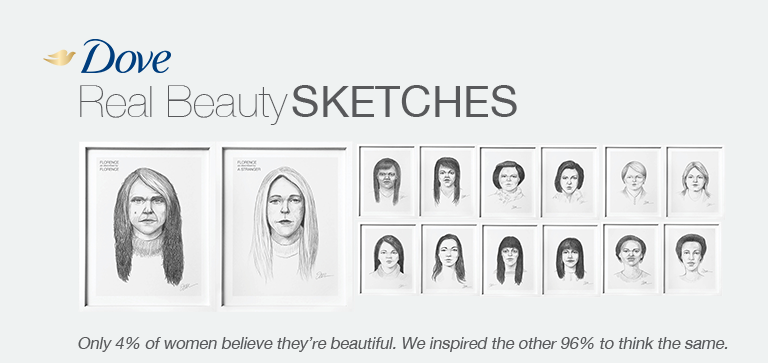
Dove’s campaign revealed how women often saw themselves as less attractive than strangers perceived them. By using a forensic sketch artist to draw based on self-descriptions versus others’ observations, Dove exposed the harsh realities of self-esteem.
The emotional resonance and authenticity drove millions of views and shares. This campaign worked because it tapped into a universal insecurity and positioned Dove as a champion of real beauty.
Coca-Cola – Share a Coke
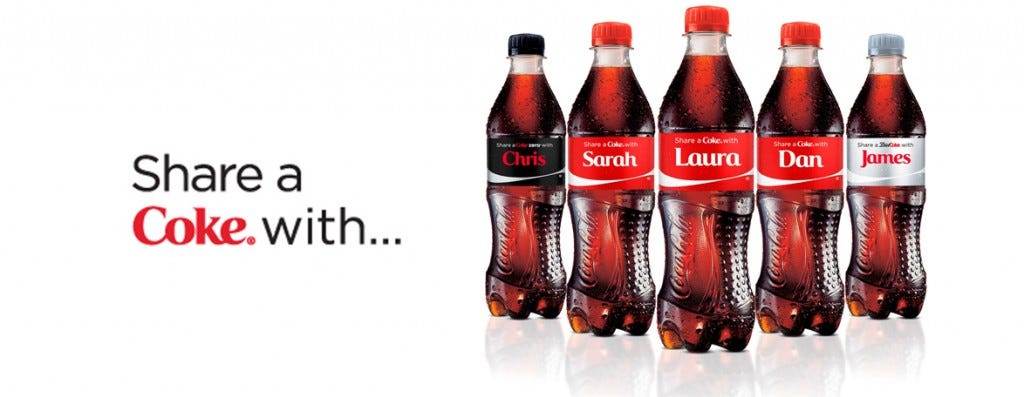
Coca-Cola personalized its product by replacing logos with popular first names, inviting people to “Share a Coke” with friends. The novelty of seeing one’s name on a bottle turned a mass-produced product into something personal and shareable.
Social media amplified the effect as consumers posted their finds online. The campaign succeeded because it combined personalization, interactivity, and emotional connection, driving both sales and cultural relevance worldwide.
ALS Association – Ice Bucket Challenge
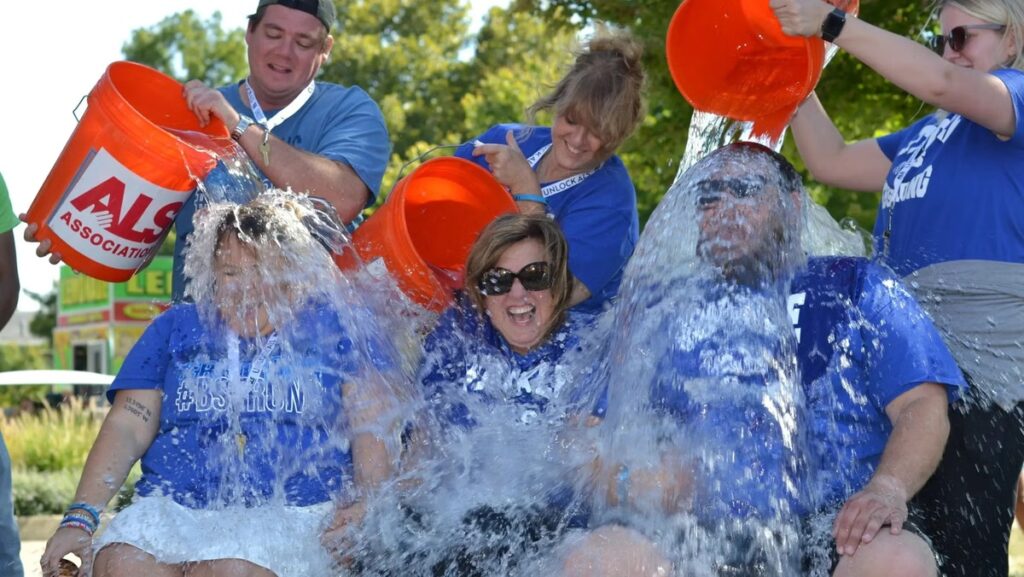
The Ice Bucket Challenge wasn’t born in a boardroom but became one of the most effective cause marketing campaigns ever. Participants dumped ice water over themselves, nominated friends, and donated to ALS research.
It went viral because it was participatory, fun, and easily shareable. More importantly, it raised both awareness and millions in donations. The campaign proved the power of user-generated content in fueling social good.
Old Spice – “The Man Your Man Could Smell Like”

Old Spice revitalized a dated brand with humor, charisma, and a wink at traditional masculinity. Featuring Isaiah Mustafa in quirky, surreal commercials, the campaign became a cultural phenomenon.
Its witty tone and memorable catchphrases spread rapidly across social media and TV. The key to its success was combining sharp creative execution with cross-channel consistency, repositioning Old Spice as modern, relevant, and undeniably entertaining.
Airbnb – “We Accept”
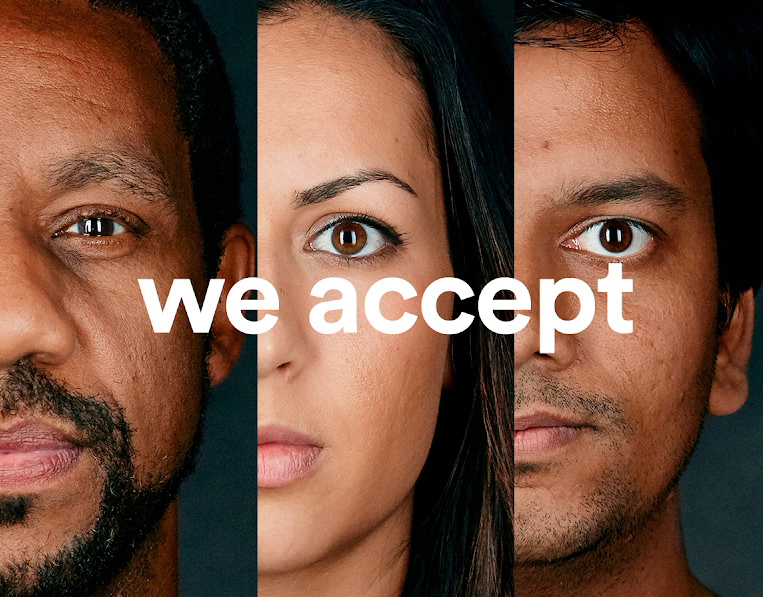
Launched during heightened political debates about inclusion, Airbnb’s campaign emphasized belonging and acceptance. Featuring diverse faces and the message “We Accept,” it went beyond accommodations to showcase values.
The campaign resonated because it tapped into cultural tensions with a message of unity, strengthening brand loyalty. By aligning itself with social values, Airbnb demonstrated how brands can transcend products and become advocates for meaningful change.
Burger King – Whopper Detour
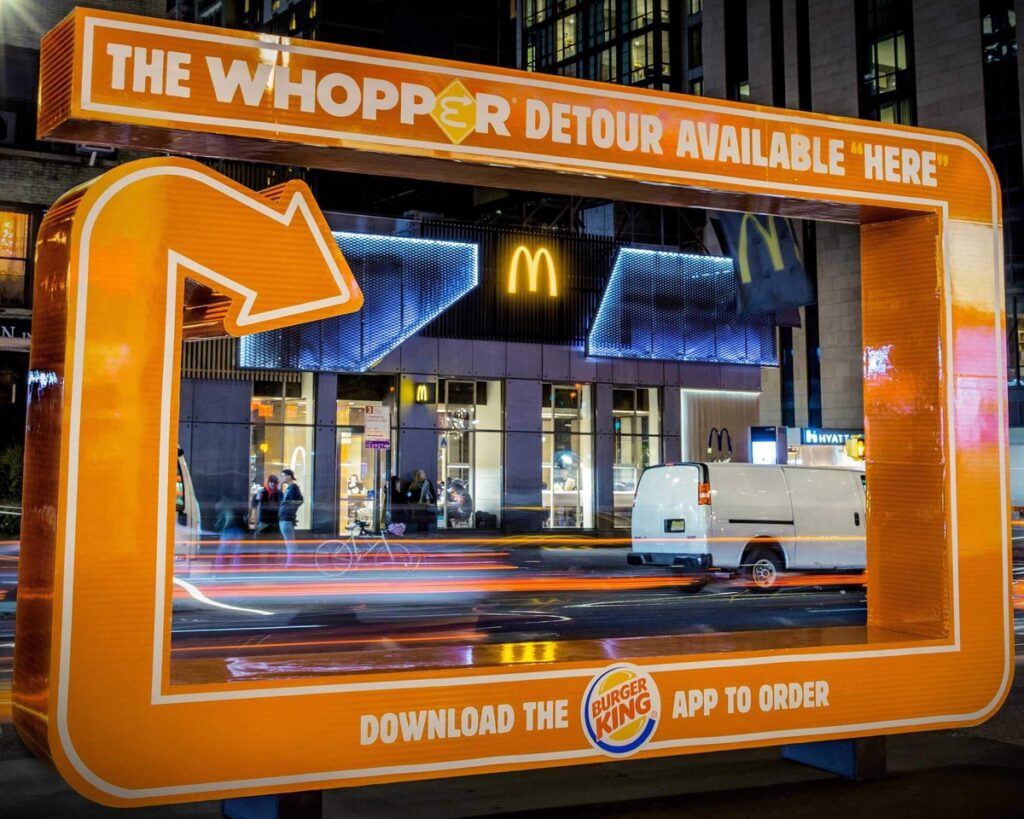
Burger King used geofencing technology to turn competitors’ locations into opportunities. Customers near a McDonald’s could unlock a Whopper for one cent through the BK app.
This stunt drove app downloads, increased foot traffic, and created playful buzz. Its brilliance lay in combining tech with cheeky brand rivalry, showing how creativity and digital tools can disrupt industries while making a bold statement about competition.
Spotify – Wrapped
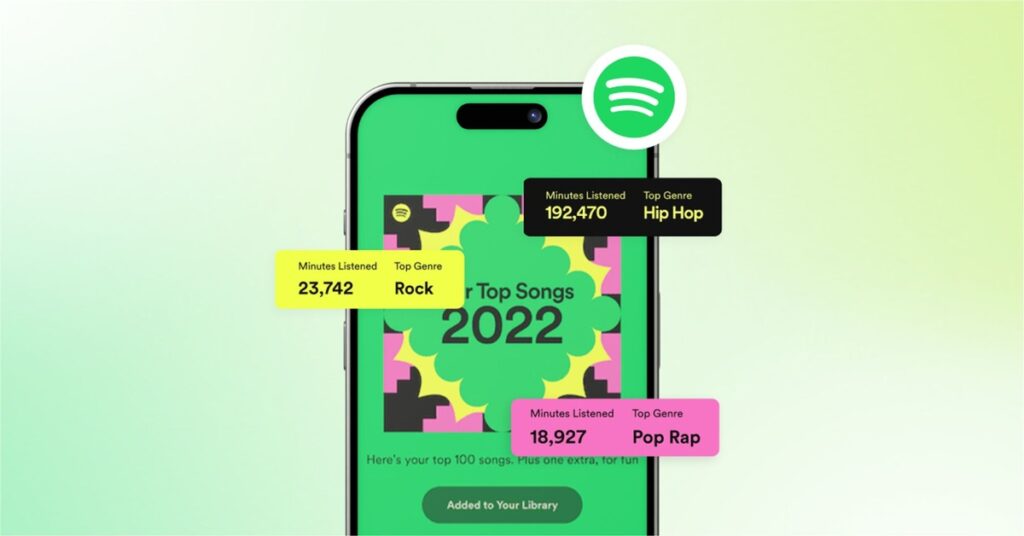
Spotify Wrapped transformed user data into a highly shareable annual tradition. By giving users personalized recaps of their listening habits, Spotify created content that people wanted to show off.
The campaign’s strength lay in its blend of personalization, gamification, and social sharing. It turned data into storytelling, fostering loyalty while doubling as free promotion. Wrapped proves how customer insights can become marketing gold.
Patagonia – “Don’t Buy This Jacket”
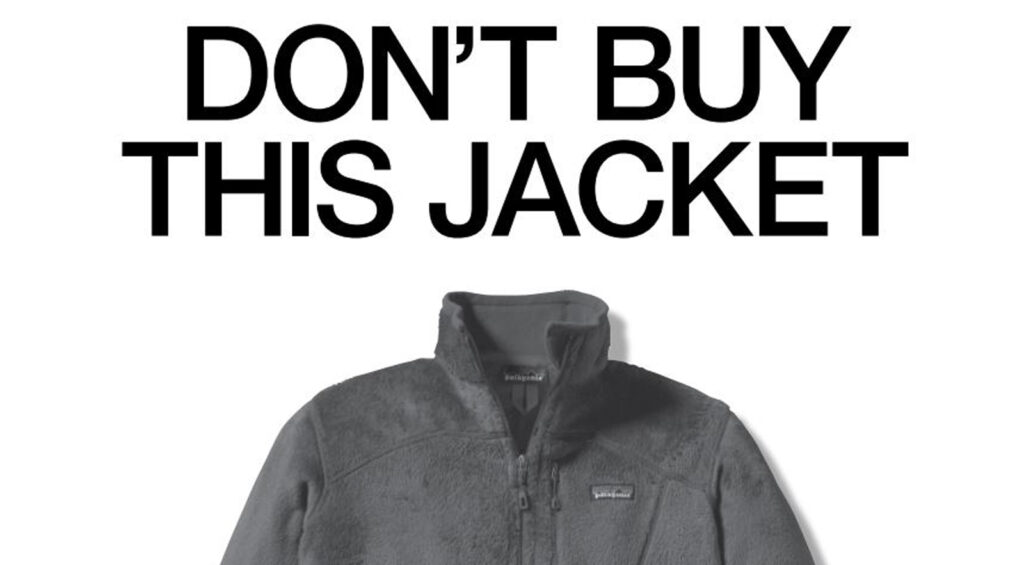
In an unconventional move, Patagonia ran ads urging customers not to purchase its products unless necessary. The campaign highlighted environmental impact and encouraged mindful consumption. Instead of hurting sales, it boosted Patagonia’s credibility as a purpose-driven brand.
Consumers respected the honesty and commitment to values. This bold strategy showed that standing for something bigger than profit can strengthen loyalty and elevate a brand’s cultural status.
Google – “Year in Search”

Each year, Google releases “Year in Search,” a campaign reflecting the most-searched moments, questions, and themes globally. It works because it taps into collective memory and emotion, offering a snapshot of what mattered most to people.
By combining storytelling with data, Google creates content that feels both personal and universal. The campaign succeeds by celebrating human curiosity, positioning Google not just as a tool, but as a mirror of society.
Apple – “Get a Mac”
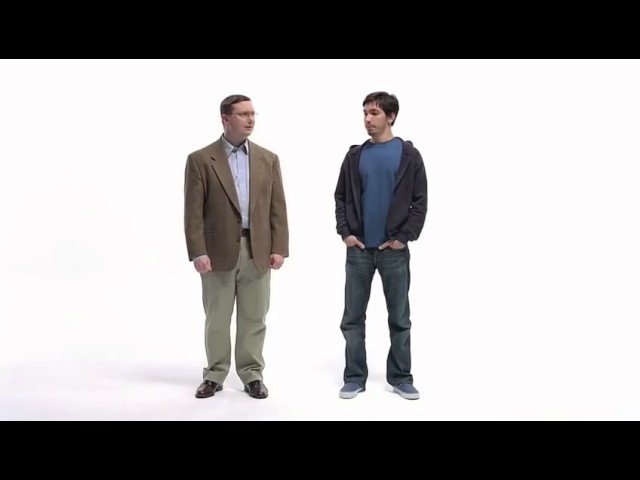
Apple’s “Get a Mac” ads introduced two characters: a casual, relatable Mac and a stiff, awkward PC. Through humor and contrast, the campaign simplified a complex value proposition: Macs are easier, cooler, and better for creative people.
Its success came from clarity, consistency, and character-driven storytelling. By personifying technology, Apple humanized its brand, reinforced differentiation, and created a campaign that remained culturally iconic for years.
Nike – “Dream Crazy”
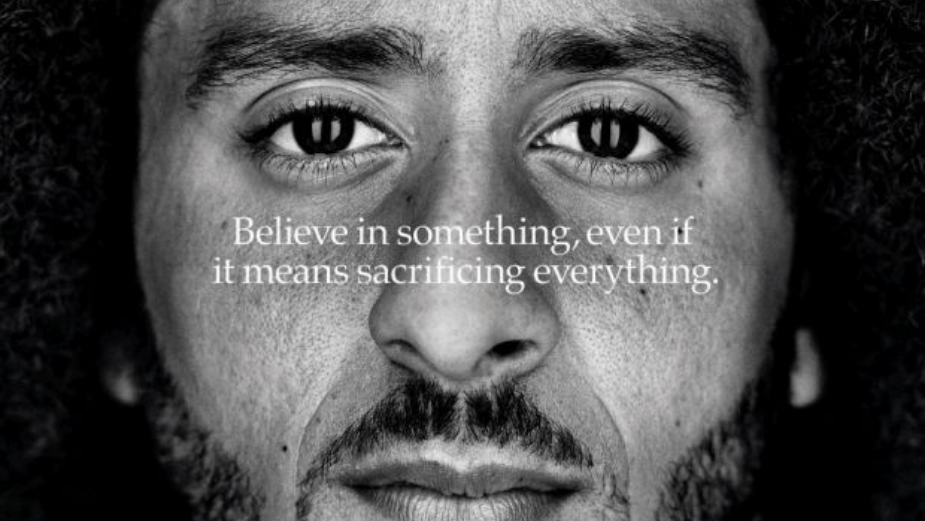
Featuring Colin Kaepernick, Nike’s “Dream Crazy” campaign celebrated those who “sacrifice everything” for their beliefs. It was polarizing but powerful, sparking debates and securing massive attention.
The campaign’s success lay in its boldness, taking a stand aligned with Nike’s ethos of pushing limits. Instead of avoiding controversy, Nike leaned into it, strengthening connections with its core audience while proving that brands can lead cultural conversations.
Starbucks – Red Cup Campaign

Every holiday season, Starbucks launches its iconic red cups, often accompanied by limited-time flavors and festive branding. The campaign is effective because it blends tradition, anticipation, and seasonal exclusivity.
Customers look forward to it each year, sharing photos online and associating Starbucks with the holiday spirit. Its strength lies in consistency and emotional resonance, making a simple design shift into a cultural event and annual marketing win.
What To Learn From These Examples?
These campaigns prove that success comes from aligning creativity with authenticity, audience insight, and cultural relevance. Whether through bold stances, emotional storytelling, or clever use of technology, the key lesson is clear: impactful marketing doesn’t just sell but builds connections, trust, and lasting brand value.