Digital advertising is a form of paid communication where businesses promote their products or services through online platforms. It involves placing ads on digital channels like search engines, websites, social media, and video platforms. This strategy allows businesses to target specific audiences, track performance, and achieve measurable marketing goals efficiently.
Learn more about this type of marketing below!
In This Article:
Types Of Digital Advertising
Social Media Advertising
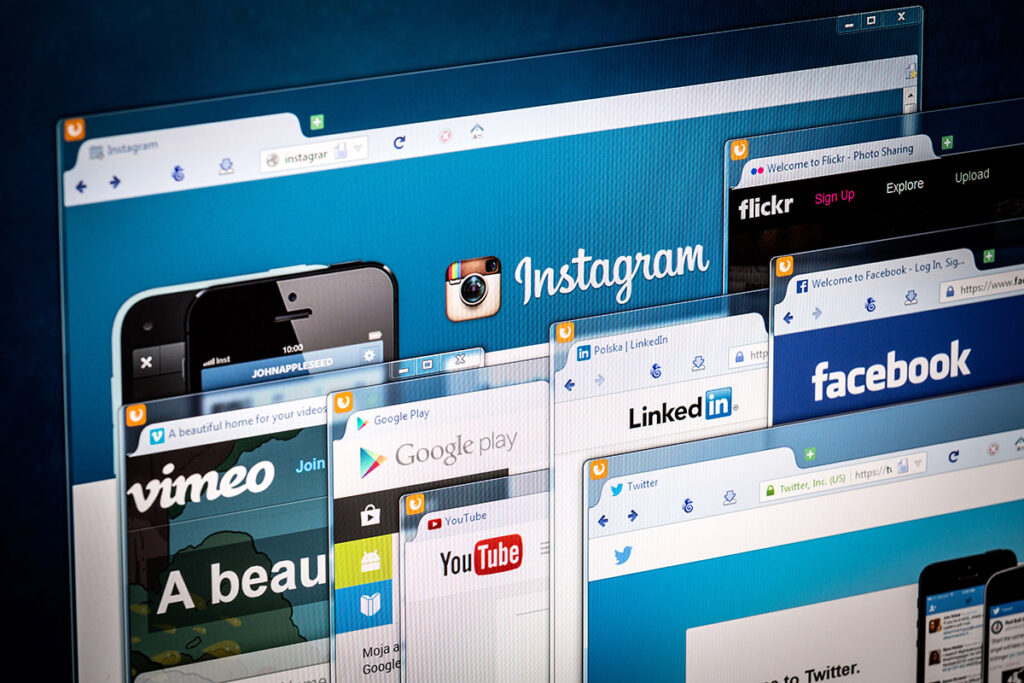
Social media ads are run on platforms such as Facebook, Instagram, LinkedIn, and TikTok. These ads blend seamlessly with user content, appearing as sponsored posts, stories, or video snippets. Marketers can target audiences based on demographics, interests, and behaviors.
Social media ads are ideal for boosting engagement, growing brand awareness, and driving targeted website traffic. Their interactive nature encourages user engagement through likes, shares, and comments.
Search Advertising (PPC)
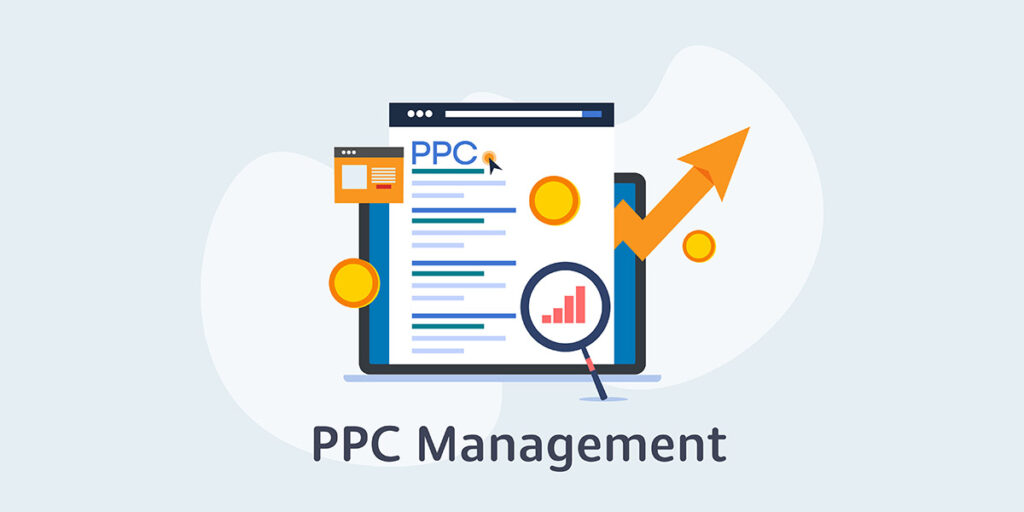
Search ads, also known as Pay-Per-Click (PPC), appear on search engine results pages (SERPs) when users enter relevant keywords. Advertisers bid on these keywords, paying only when users click on their ads. This format is excellent for targeting users with high purchase intent.
Google Ads is the leading platform for search ads. These campaigns are commonly used for lead generation, driving website traffic, and increasing online sales.
Video Advertising
Video ads deliver marketing messages through short video content on platforms like YouTube or streaming services. These ads can play before, during, or after user-selected videos. Video advertising is an effective tool for storytelling and building emotional connections with audiences.
YouTube is the most prominent platform for this ad type. Video ads are commonly used for brand awareness, product demonstrations, and driving higher engagement rates.
Display Advertising
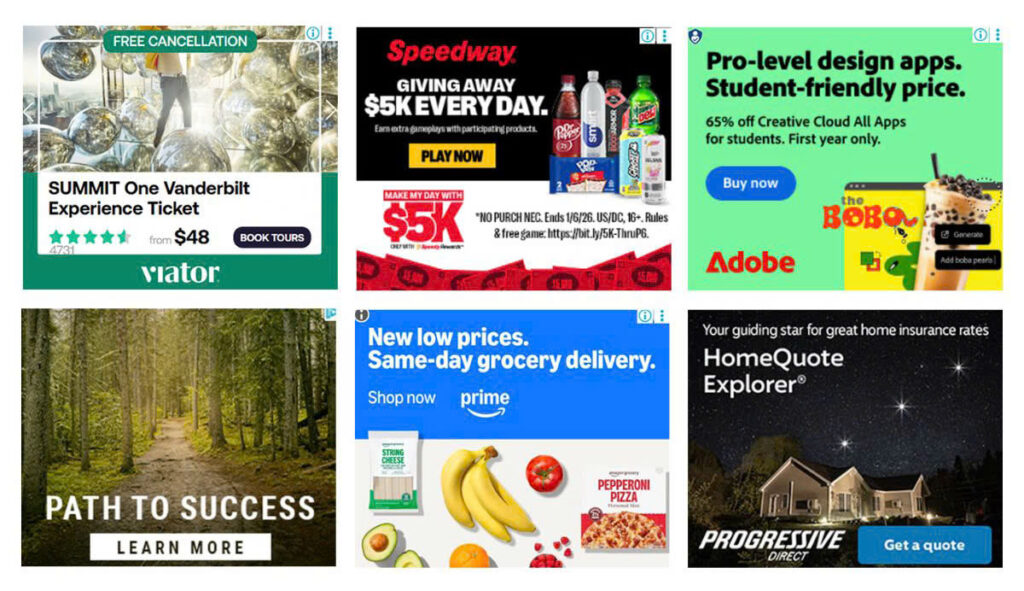
Display ads are visual advertisements shown on websites, apps, or social platforms. They typically appear as banners, images, or interactive elements designed to capture attention. Unlike search ads, display ads focus on raising brand awareness and engaging users while they browse content online.
Advertisers often use display ads for retargeting campaigns, reminding users of products or services they previously viewed to encourage conversion.
Benefits Of Digital Marketing And Advertising
Cost-Effectiveness
Digital advertising allows businesses to control spending with flexible budgeting options. Pricing models like Cost-Per-Click (CPC) and Cost-Per-Thousand Impressions (CPM) ensure that advertisers only pay for meaningful interactions.
For example, with PPC, you pay only when a user clicks on your ad, making it highly cost-efficient. According to WordStream, search ads deliver a 200% ROI, making them one of the most profitable ad types.
Precise Audience Targeting
Digital platforms offer advanced targeting options based on user demographics, interests, behaviors, and even shopping signals. Social media ads excel here, thanks to the detailed user data these platforms collect.
For instance, 78% of U.S. consumers have made purchases after discovering products on Facebook, according to AdEspresso. This level of targeting ensures that ads are shown to users most likely to convert, reducing wasted ad spend.
High Conversion Potential
Search ads, in particular, capture users with high purchase intent. Since 81% of buying journeys begin with a search engine [Invoca], and 64.6% of clicks on commercial intent queries go to paid ads [Wordstream], search advertising is excellent for driving conversions.
The precise keyword targeting in search campaigns connects businesses with users already looking for similar products or services.
Enhanced Brand Awareness
Display and social media ads are powerful tools for increasing brand visibility. Display ads, for example, help 89% of marketers achieve their brand awareness goals, according to Wordstream.
Research by Wordstream also shows that 27% of consumers perform a search after seeing a display ad, and retargeting ads can increase conversion rates by up to 70%. Social media platforms also help brands stay top-of-mind with engaging, shareable content.
Better Engagement and Interaction
Social media and video ads provide opportunities for two-way engagement. Users can like, comment, share, and respond to ads, fostering relationships with brands.
According to Wordstream, on average, a Facebook user clicks on 12 ads per month, highlighting the platform’s engagement potential. Video ads, especially on YouTube, drive deeper audience engagement through storytelling and emotional content.
Real-Time Performance Tracking
Digital advertising platforms provide real-time analytics and reporting tools. Marketers can track impressions, clicks, conversions, and even detailed audience behaviors.
Metrics like view-through conversions in display advertising allow advertisers to measure indirect impact, such as when users see an ad but convert later via another channel. This data-driven approach ensures continuous optimization and better ROI.
Digital Marketing Vs Traditional Marketing
Digital marketing and traditional marketing represent two different approaches to reaching and engaging consumers. While traditional marketing focuses on offline channels like print and TV, digital marketing leverages online platforms for targeted and measurable campaigns.
Below is a comparison table highlighting their key differences:
| Aspect | Digital Marketing | Traditional Marketing |
| Medium | Online platforms (websites, social media, search engines, apps, video streaming) | Offline channels (TV, radio, newspapers, magazines, billboards) |
| Targeting Precision | Highly targeted; based on demographics, interests, behaviors, and search intent | Broad targeting; limited ability to focus on specific audiences |
| Cost Structure | Flexible and performance-based (CPC, CPM, CPA) | Often expensive; fixed costs for ad placements |
| Measurement & Analytics | Real-time performance tracking, detailed analytics (impressions, clicks, conversions) | Limited measurement; relies on estimated reach and surveys |
| Interactivity | Two-way engagement (likes, comments, shares, clicks) | One-way communication; limited audience interaction |
| Speed & Flexibility | Fast setup, real-time adjustments possible | Long production timelines, less flexible once launched |
| Audience Reach | Global reach, scalable campaigns | Primarily local or regional, depending on media outlet |
| Examples | Search ads, display ads, social media ads, video ads | TV commercials, radio spots, newspaper ads, billboards |
Examples Of Digital Advertising
Google Ad Example
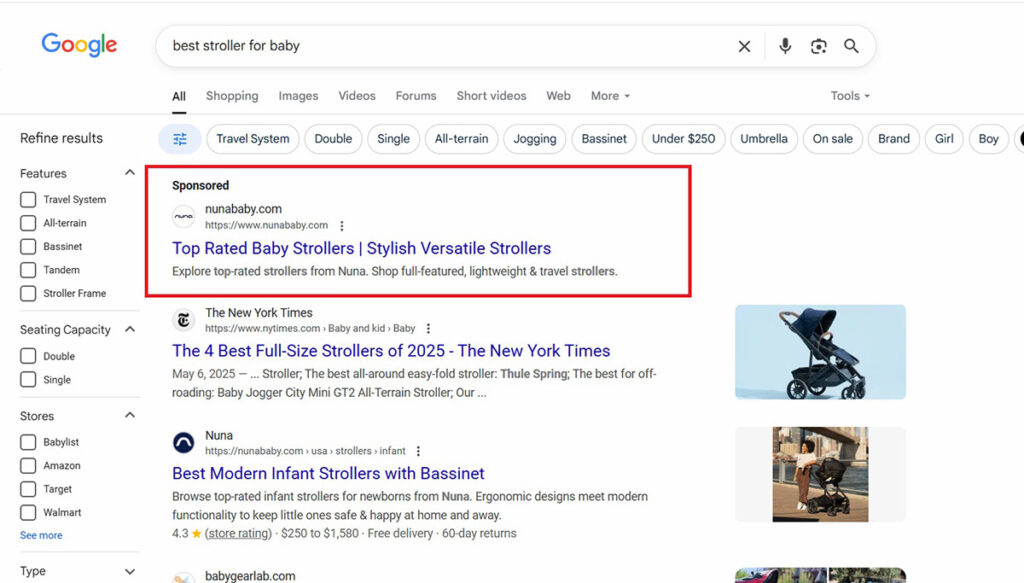
A Google Search Ad appears at the top of search engine results when users type specific keywords.
For example, a sponsored Google Search Ad from NunaBaby.com appears at the top of the search results, targeting users actively looking for baby strollers. This is a classic example of Pay-Per-Click (PPC) advertising.
Facebook Ad Example
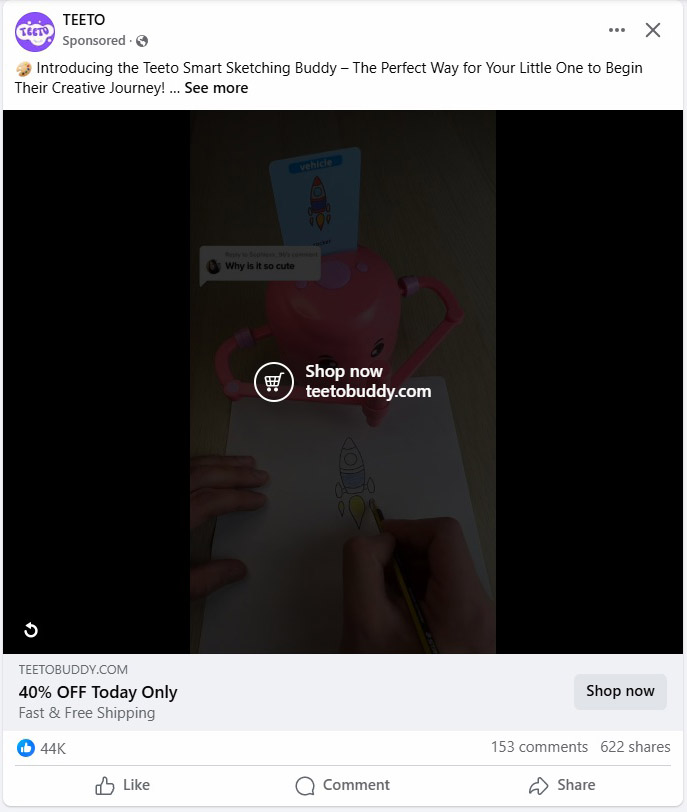
A Facebook ad blends into users’ feeds as a sponsored post with images, videos, or carousels. For instance, this Facebook video ad promotes a drawing toy for kids with a clear call-to-action button (“Shop Now”). It uses engaging video content and a limited-time discount offer to drive clicks and purchases.
Instagram Ad Example
An Instagram ad often appears as a photo or story post with engaging visuals and a clickable link. For example, this Instagram ad by Uber uses a popular tweet as visual content materials to create humor and relatability, encouraging users to engage with the brand.

YouTube Ad Example
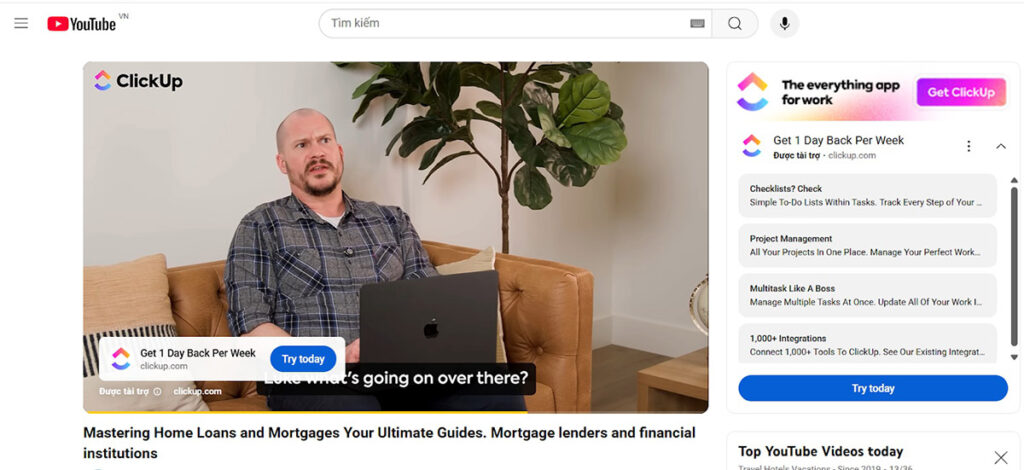
A YouTube video ad plays before or during user-selected content, often as a skippable or non-skippable clip. For instance, this YouTube in-stream video ad for ClickUp plays before selected videos, promoting their productivity tool. It includes both a visual CTA overlay during the video and a companion banner on the right sidebar.
Display Ad Example
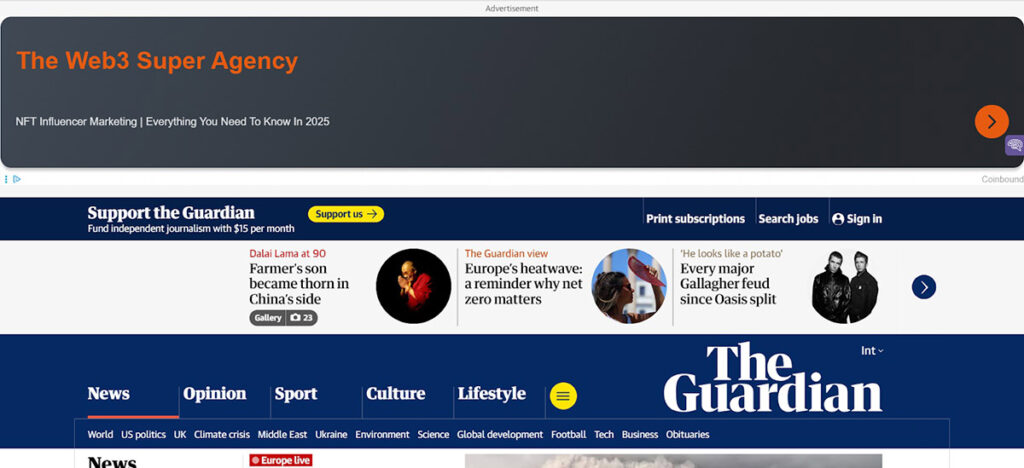
A display ad shows as a banner or image on websites within the Google Display Network or other networks. This display banner ad appears at the top of The Guardian’s homepage, promoting an NFT influencer marketing agency. Display ads like this are great for brand awareness across high-traffic publisher sites.
Influencer Ad Example
An influencer ad involves a social media personality promoting a brand’s product through a sponsored post or video. This Instagram ad featuring Christian Ronaldo and Lionel Messi is a prime example.
It uses celebrity endorsement and branded content to promote Louis Vuitton. The post leverages high-profile social media influencers to generate global reach and engagement.

Tips To Use Digital Marketing Ads
Here are essential tips to help maximize your advertising results across different channels.
- Understand your audience: Use detailed targeting options available on platforms like Facebook and Google to reach users based on demographics, interests, and behaviors. This ensures your ads are shown to people most likely to convert.
- Choose the right channel for your goal: Each ad platform excels at different objectives: Search ads for high-intent leads, social ads for engagement, display ads for brand awareness, and video ads for storytelling. Align your advertising campaign with the channel’s strength.
- Optimize for quality score (search ads): On Google Ads, improving your Quality Score helps lower your cost-per-click (CPC) and boosts ad ranking. Focus on keyword relevance, ad copy, and landing page quality.
- Use retargeting campaigns: Retarget website visitors with display or social ads to increase conversion rates. As mentioned, retargeting display ads can lift conversions by up to 70%.
- Leverage video for engagement: Video ads, especially on YouTube, help capture user attention and drive emotional engagement. Since 70% of consumers have purchased a brand after seeing it on YouTube [Wordstream], video content is a key driver of conversions.
- Set a realistic budget: Spread your budget strategically across campaigns to avoid underfunding. For example, running too many Google Ads campaigns with low daily budgets won’t provide enough data for optimization.
- Test and refine regularly: Continuously A/B test ad creatives, headlines, and calls-to-action. Monitor performance metrics like click-through rate (CTR) and conversion rate to identify top performers.
- Incorporate strong CTAs (calls-to-action): Always include a clear and persuasive CTA in your ads, such as “Shop Now,” “Learn More,” or “Download Free Guide.” Effective CTAs increase user engagement and click rates.
- Use audience insights for targeting: Analyze referral traffic and audience behavior (from tools like Google Analytics or Facebook Audience Insights) to refine your targeting. This helps you focus on audiences most likely to respond.
- Track conversions and optimize for ROI: Use tracking tools like Google Ads conversion tracking or Facebook Pixel to measure campaign results. This allows you to adjust bids, targeting, and creative based on actual performance data.
Wrapping Up
Digital advertising has transformed the way businesses reach and engage their target audiences. By leveraging platforms like Google, Facebook, Instagram, and YouTube, brands can run targeted, cost-effective, and measurable campaigns that drive real results. Contact us if you need more help!