Advertising campaigns are the heartbeat of modern marketing. Whether you’re launching a new product or trying to grow your target audience, a well-planned campaign can transform how people see your brand. Let’s explore what an ad campaign is and what makes one effective. Then, you can create one that truly connects with your customers.
In This Article:
What Is An Advertising Campaign?
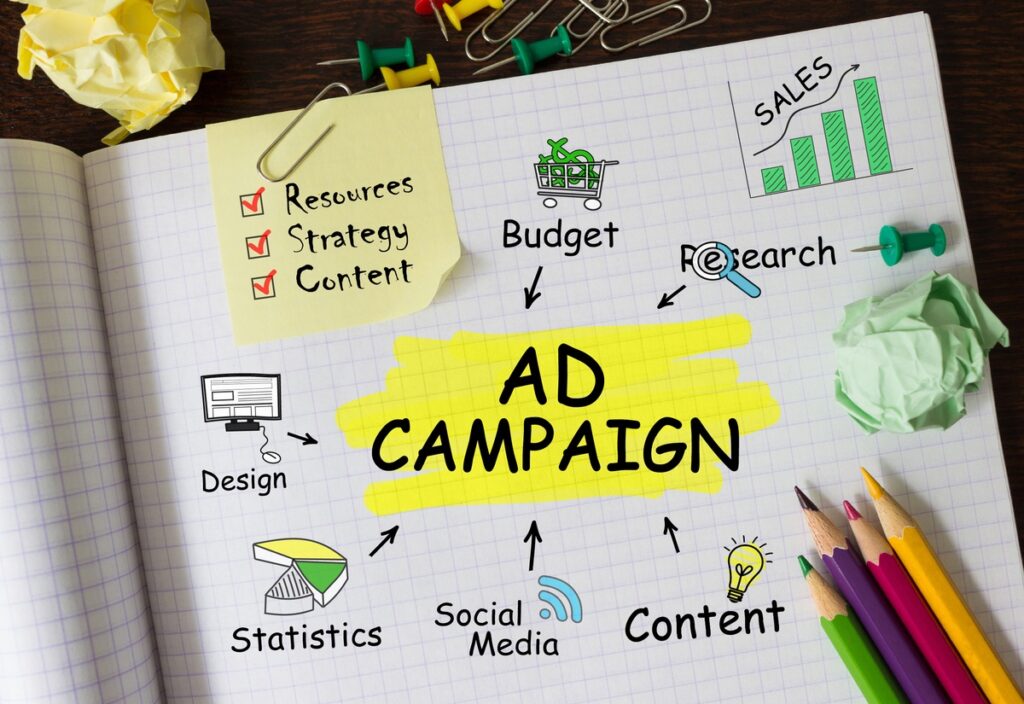
An advertising campaign is a planned series of messages designed to promote a product, service, or brand across one or more media channels. These messages share a common theme and goal, such as boosting brand awareness, driving sales, or shaping brand perception.
Successful campaigns combine creativity, data, and strategy to reach the target audience at the right time, creating measurable results that help businesses grow.
What Are The Objectives Of An Ad Campaign?
Knowing the main goals of an ad campaign is the compass that points you to the right way. Here are the objectives an ad should have:
- Build brand awareness: The first goal of any advertising campaign is to make people recognize your brand. Awareness campaigns introduce your business to potential customers, showing them who you are and what you stand for. Over time, this familiarity builds trust and recall.
- Generate leads and sales: Campaigns often aim to convert attention into action, whether that means signing up, visiting a store, or making a purchase. Clear calls-to-action and well-targeted messages help turn curious viewers into paying customers.
- Engage and educate customers: Great campaigns don’t just sell — they connect. Sharing valuable, relatable content can spark conversations, deepen engagement, and teach customers about your products or industry.
- Reinforce brand loyalty: Beyond first-time buyers, campaigns also nurture existing relationships. Rewarding loyal customers through personalized offers or stories keeps them coming back and spreads positive word-of-mouth.
- Differentiate from competitors: A strong campaign shows what makes your brand unique. Highlighting your values, voice, and benefits helps you stand out in a crowded market and positions your brand as a preferred choice.
What Are The Main Types Of Advertising Campaigns?
Display Advertising
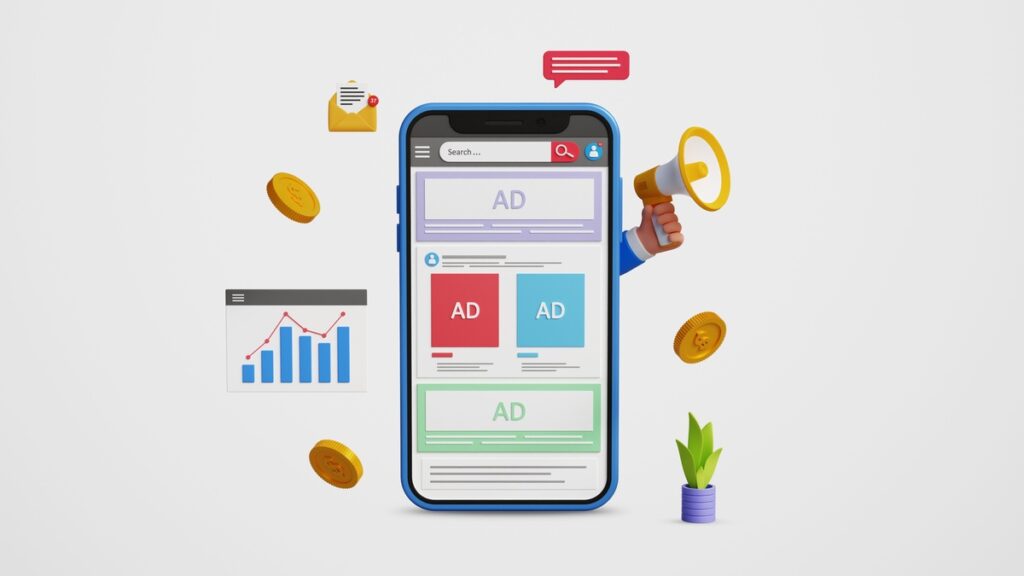
Display ads are visual promotions that appear on websites, apps, or digital publications. They often take the form of banners, images, or animations that highlight a product or offer. The key is eye-catching visuals and clear messaging that instantly communicates value.
Video Advertising
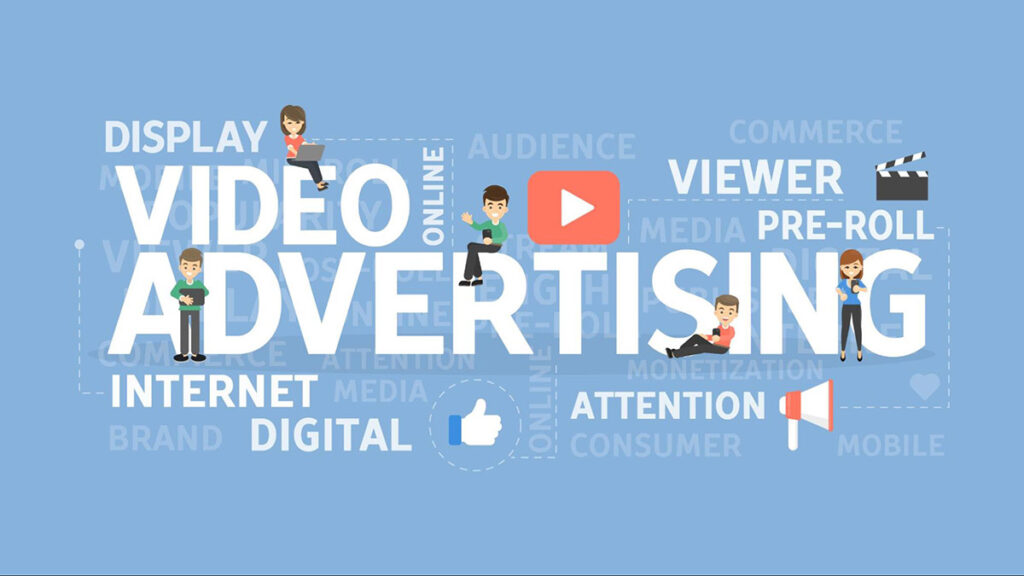
Video ads are engaging and memorable. They combine storytelling with visuals and sound to capture attention and connect emotionally. Whether on YouTube, social media, or streaming platforms, videos are ideal for showing your brand personality and demonstrating how your product fits into real life.
Social Media Advertising
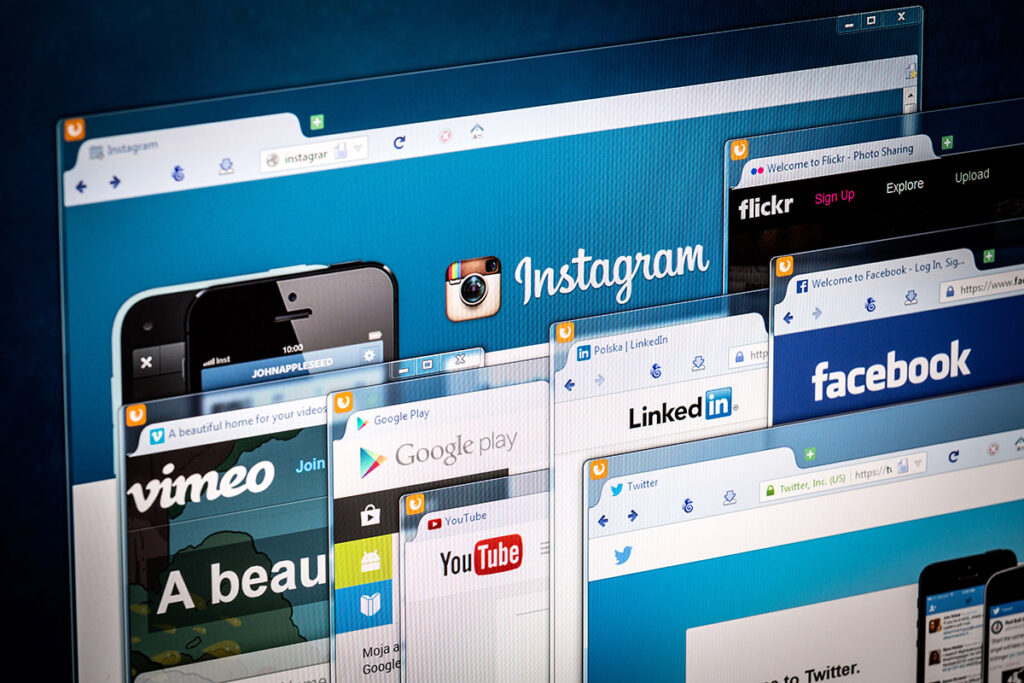
Social media marketing campaigns allow you to reach audiences based on their interests, behaviors, and demographics. Platforms like Facebook, Instagram, and LinkedIn make it easy to run targeted ads, boost engagement, and grow your community with creative and user-generated content that educates and entertains.
Search Advertising (PPC)
Search or pay-per-click (PPC) advertising helps your brand appear at the top of search results. When users look for terms related to your product or service, your ad shows up with relevant messaging. It’s a powerful way to drive traffic and conversions with measurable results.
Email And Mobile Advertising

Email marketing campaigns deliver personalized updates directly to your target audience’s inbox, while mobile ads reach them through SMS, apps, and mobile sites. Both are great for ongoing communication, nurturing leads, and driving repeat sales through timely offers and tailored messages.
How To Make Your Advertising Campaign Impactful?
Start With A Clear Strategy
Every successful campaign begins with a strong ad campaign strategy. You need to know who you’re speaking to, what you want them to feel, and why your message matters. Setting clear goals helps guide creative choices and keeps your campaign focused.
Take Nike’s “Just Do It” campaign, for example. The strategy was to inspire everyone, from professional athletes to everyday people, to push their limits. This simple yet powerful strategy transformed Nike from a sports brand into a global symbol of motivation.
Craft A Simple, Memorable Message
People remember campaign ideas that are easy to understand. A single, well-defined message makes your campaign stick. Simplicity doesn’t mean being boring; it means being crystal clear.
Apple’s “Think Different” is a perfect example. The slogan was about the mindset that celebrates innovation and creativity. This emotional connection made Apple more than a tech brand; it became a cultural statement.
Focus on one core message and make it resonate emotionally. If your target audience can summarize your campaign in one sentence, you’ve done it right.
Choose The Right Channels
Your message needs the right stage. Each platform, including TV, social media, email, or search ads, attracts a different audience and requires a unique approach. Understanding where your audience spends their time helps your campaign hit the mark.
When Coca-Cola launched “Share a Coke,” it used personalized bottles and encouraged people to share photos on social media. The campaign spread organically because it matched both the medium (social sharing) and the message (connection).
Combine channels strategically. Use video for storytelling, search ads for conversion, and social media for engagement.
Be Authentic and Truthful
Consumers today value honesty and realness. They can spot fake promises from a mile away. Authentic campaigns reflect genuine values and speak to real customer experiences.
Dove’s “Real Beauty” campaign is a great example. Instead of showing unrealistic beauty standards, Dove featured real women of all shapes, ages, and ethnicities. The honesty of the message built emotional trust and changed how people talked about beauty.
Align your ads with your company’s core beliefs. Stay transparent, avoid exaggeration, and let authenticity speak louder than perfection.
Measure, Learn, And Improve

Even the best campaigns need fine-tuning. Analyzing performance data helps you understand what’s working and what needs adjusting. Great marketers treat every campaign as an experiment that teaches them something new.
Track your campaign KPIs, such as impressions, conversion rates, and engagement. Learn from results, tweak your approach, and evolve with every new campaign.
FAQs
How long should an advertising campaign last?
It depends on your campaign goals and budget. Some campaigns run for a few weeks, while brand-building ones can last months. The key is consistency and regular optimization.
What’s the difference between an advertising campaign and a marketing campaign?
A marketing campaign covers all promotional activities, while advertising campaigns focus specifically on paid media, like online ads, print, or TV spots.
How much should a small business spend on advertising?
Start with a budget you can test safely. Even a few hundred dollars can yield insights. Track performance, learn what works, and scale gradually.
Which advertising channel works best for beginners?
Social media is often the easiest entry point. It’s affordable, flexible, and gives real-time feedback to help you learn quickly.
How do I know if my campaign is successful?
Set clear campaign goals and track metrics like clicks, conversions, and engagement. Success means achieving your objectives while staying within budget.