
With endless options available, choosing the right digital marketing platform can feel overwhelming. The good news? The top-performing digital marketing platforms share one thing in common. They help businesses target smarter, save money, and engage better. Let’s break down the 10 best types of marketing platforms that can elevate your marketing strategy.
In This Article:
What Is A Marketing Platform?
A marketing platform is a centralized system, tool, or software designed to help businesses promote their products or services, engage with customers, and measure campaign effectiveness.
Acting as both a hub and a facilitator, these platforms bring together different aspects of marketing into one cohesive environment. Some aspects include customer relationship management (CRM), social media, email campaigns, content distribution, and paid advertising.
Their main purpose is to streamline marketing efforts, improve targeting and personalization, and provide performance insights through data and analytics.
Benefits Of Digital Platforms In Marketing
Enhanced Audience Targeting
Digital marketing platforms allow businesses to reach highly specific audiences through data-driven targeting. By leveraging demographic details, browsing behaviors, purchase history, and engagement patterns, companies can tailor messages that resonate with their ideal customers.
This level of precision ensures that marketing budgets are spent more effectively, reducing waste and increasing the likelihood of conversions. Unlike traditional marketing, which often casts a wide net, digital platforms provide tools that help brands engage directly with the right people at the right time.
Performance Tracking And Analytics

One of the strongest advantages of digital platforms is their ability to measure results in real-time. Marketers can track key performance indicators (KPIs) such as click-through rates, conversion rates, website visitors, and social media engagement. These analytics provide valuable insights into what’s working and what needs improvement, enabling data-backed decisions.
Over time, this iterative process allows businesses to refine campaigns for maximum effectiveness. The transparency offered by performance tracking also helps justify marketing spend to stakeholders by linking efforts directly to outcomes.
Cost-Effectiveness And ROI
Compared to traditional media like print, radio, or television, digital platforms often offer a more affordable way to reach large audiences. With options such as pay-per-click advertising, businesses only pay when users engage with their content, making campaigns budget-friendly and scalable.
Small businesses, in particular, benefit from cost-effective tools like social media marketing and email campaigns, which require relatively low investment but can deliver high returns. When campaigns are optimized through testing and analytics, digital platforms can consistently generate strong ROI across industries.
Improved Customer Engagement
Digital platforms provide multiple touchpoints where businesses can interact directly with customers, fostering stronger relationships and loyalty. Social media, for instance, allows two-way communication where customers can ask questions, leave feedback, and engage with brand content.
Email and content marketing deliver personalized messages that strengthen brand awareness and trust. By engaging customers in meaningful ways, businesses create long-term value beyond single transactions. This level of interaction also gives companies better insights into consumer preferences, enabling them to deliver more relevant and timely solutions.
Top 10 Best Digital Marketing Platforms
Email Marketing Platforms

Email marketing platforms are designed to help businesses send personalized messages directly to customers’ inboxes. They support campaign automation, subscriber segmentation, and performance tracking to maximize engagement.
By enabling tailored communication, these platforms strengthen relationships, increase conversions, and drive customer loyalty. Email marketing remains cost-effective and provides measurable results, such as open rates and click-through rates, making it an essential channel for nurturing leads and maintaining long-term brand connections.
Social Media Marketing Platforms

Social media marketing platforms allow brands to engage audiences where they spend most of their time on networks like Facebook, Instagram, LinkedIn, and Twitter. These platforms provide tools for creating, scheduling, and promoting content, running paid advertising campaigns, and social media management.
Advanced targeting ensures brands can reach the right audience segments based on interests, behaviors, and demographics. By fostering two-way communication, social media platforms not only build brand awareness but also cultivate customer loyalty and community engagement.
Content Marketing Platforms

Content marketing platforms help businesses plan, create, and distribute valuable content across digital channels. These platforms often support blog management, SEO optimization, and content calendars to streamline workflows. Their main goal is to attract, engage, and convert audiences by delivering relevant, educational, or entertaining content.
By centralizing creation and distribution, content marketing platforms ensure consistency in brand messaging. They also provide analytics to measure how content contributes to traffic, lead generation, and overall marketing effectiveness.
Customer Relationship Management (CRM) Platforms
CRM platforms centralize customer data, enabling businesses to manage interactions and nurture relationships effectively. By integrating contact information, purchase history, and communication logs, CRMs provide a holistic view of each customer.
Marketers can use this data to personalize campaigns, predict customer needs, and track sales performance. CRMs also support lead scoring and pipeline management, making them especially valuable for aligning marketing with sales. Ultimately, CRM platforms improve efficiency and foster stronger, long-term customer relationships.
Advertising Platforms
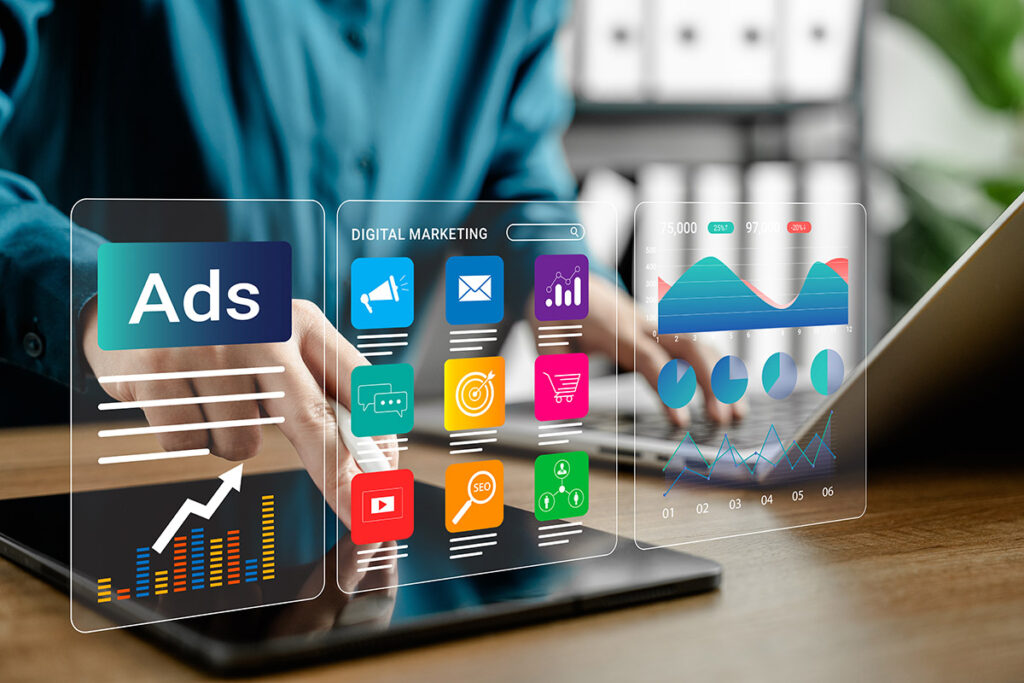
Advertising platforms like Google Ads or Facebook Ads enable businesses to reach large, targeted audiences through paid campaigns. They support formats ranging from search and display ads to video and social promotions.
These platforms allow marketers to set budgets, bid strategies, and precise targeting options to maximize ROI. Performance tracking tools show impressions, clicks, and conversions in real-time. For businesses seeking to quickly increase visibility or drive sales, advertising platforms are essential to digital strategy.
Analytics Platforms

Analytics platforms provide the deep insights businesses need to measure marketing effectiveness. They track website traffic, user behavior, conversion rates, and campaign performance across multiple channels. By analyzing this data, marketers can identify what’s working, uncover problem areas, and make informed decisions for future campaigns.
Platforms like Google Analytics go beyond tracking by offering visualization tools and predictive analysis. These insights enable businesses to refine strategies, optimize customer journeys, and justify marketing investments with data-driven evidence.
Search Engine Optimization (SEO) Platforms

SEO platforms are dedicated to improving a brand’s visibility in search engine results. They offer tools for keyword research, site audits, backlink tracking, and performance monitoring. By optimizing websites for both users and search engines, these platforms drive organic traffic, which is often more sustainable and cost-effective than paid advertising.
SEO platforms are dedicated to improving a brand’s visibility in search engine results. They offer tools for keyword research, site audits, backlink tracking, SEO backlink service management, and performance monitoring. By optimizing websites for both users and search engines, these platforms drive organic traffic, which is often more sustainable and cost-effective than paid advertising.
SEO platforms also help businesses stay competitive by analyzing rivals’ content strategies. As search remains a primary way customers discover products, SEO platforms are indispensable for long-term growth.
Video Marketing Platforms

Video marketing platforms allow businesses to create, host, and distribute video content to engage audiences more effectively. They often integrate with social media, websites, and advertising channels to maximize reach.
Videos have the advantage of being highly engaging, helping businesses explain products, tell stories, and build stronger emotional connections with audiences.
Platforms often provide analytics on views, watch times, and engagement, ensuring marketers can refine strategies. With the rising popularity of videos, these platforms are becoming central to modern campaigns.
Affiliate Marketing Platforms
Affiliate marketing platforms connect businesses with partners who promote their products in exchange for commissions. These platforms simplify the process of tracking referrals, sales, and payouts, ensuring transparency and efficiency.
By leveraging affiliates, businesses can expand their reach without significant upfront advertising costs. They’re particularly effective for e-commerce and digital products, as affiliates often target niche audiences.
With performance-based payouts, affiliate platforms minimize risk and create mutually beneficial relationships between brands and partners.
Mobile Marketing Platforms

Mobile marketing platforms focus on engaging users through mobile apps, SMS campaigns, and mobile-optimized content. With the majority of online traffic now coming from smartphones, these platforms are crucial for reaching audiences on the go.
They provide tools for push notifications, in-app advertising, and location-based targeting. Mobile marketing platforms also help businesses deliver personalized, real-time messages that boost engagement. By adapting to mobile-first consumer behavior, these platforms ensure brands remain relevant and accessible to their target markets.
Tips To Use Digital Marketing Platforms
Below are practical tips to get the most out of these tools.
- Align the platform with your goals: Clearly define what you want to achieve, such as brand awareness, lead generation, or sales growth, before investing in a platform. This ensures you select tools that support your specific objectives rather than spreading resources too thin.
- Leverage automation features: Most platforms offer automation for emails, social media posts, or ad targeting. Using these features not only saves time but also helps maintain consistent engagement with your audience.
- Track and analyze key metrics: Pay close attention to KPIs like click-through rates, conversions, and traffic sources. Consistently monitoring performance helps you refine campaigns and make data-driven improvements.
- Integrate with other tools: Look for platforms that work seamlessly with your CRM, analytics software, or e-commerce system. Integration ensures smoother workflows and a single source of truth for customer insights.
- Test and optimize campaigns: Use A/B testing to compare versions of ads, emails, or landing pages. Small tweaks informed by data can lead to significant improvements in engagement and results.
Stay updated on trends and features: Digital platforms evolve quickly, often adding new tools for personalization, AI-driven insights, or social commerce. Regularly exploring updates helps you stay competitive and innovative.