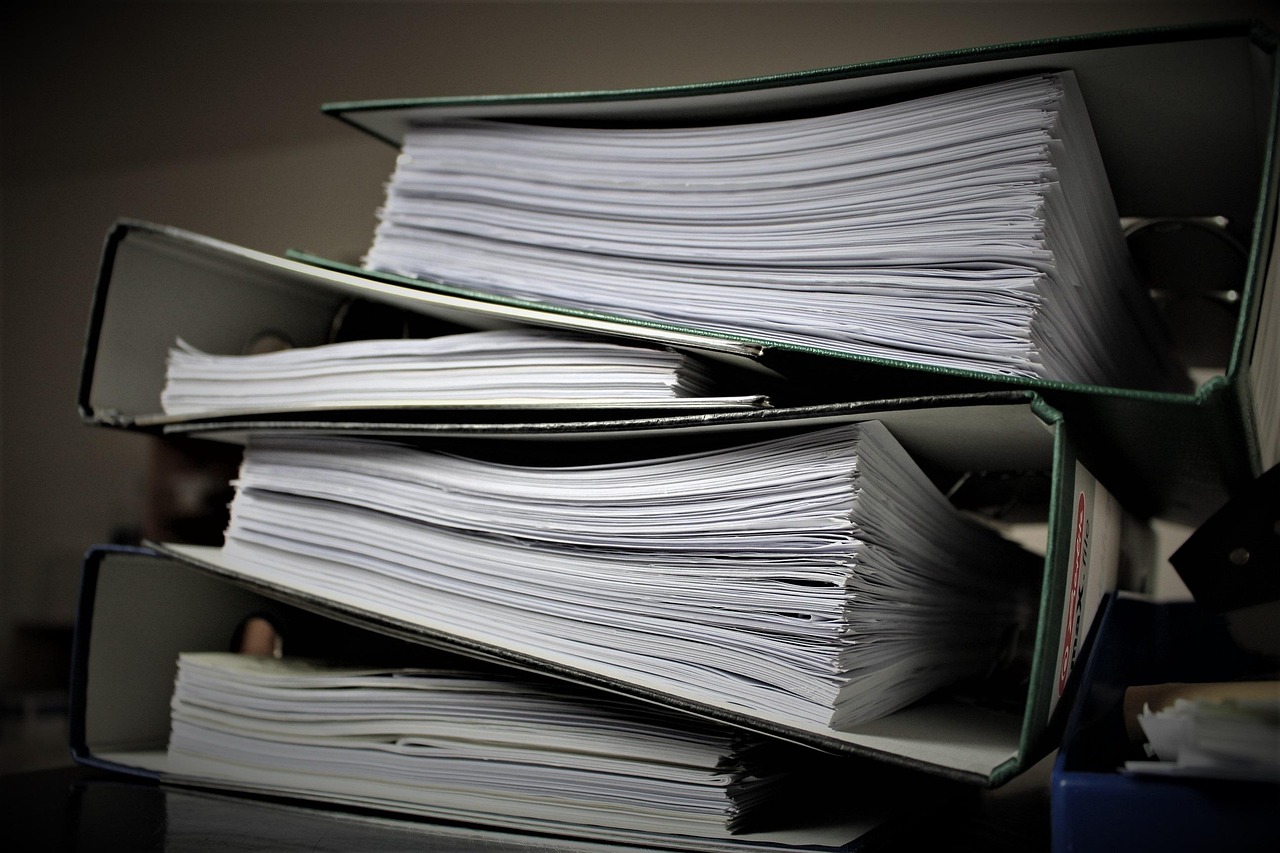

In most modern businesses, paperwork still piles up faster than teams can process it. Even with all the digital tools available today, countless hours are still spent sorting, scanning, and re-entering data from one system to another. It’s time-consuming, repetitive, and far from efficient.
That’s where Intelligent Document Automation (IDA) comes in—an AI-powered approach that’s transforming how enterprises handle documents and data. Today’s intelligent systems can not only process files but also understand their context and meaning. They can summarize, classify, and route information automatically. In fact, some of these systems can write and organize content that feels as natural as if produced by an undetectable AI writer—but now, that same technology is being used to streamline enterprise workflows and free people from manual, tedious work.
In This Article:
What Is Intelligent Document Automation?
Intelligent Document Automation, often called IDA, is the next step in document management. It combines automation with artificial intelligence to process documents more intelligently. Instead of relying solely on templates or manual inputs, it “reads” documents, extracts relevant data, and makes decisions automatically.
Unlike basic automation that follows strict rules, IDA uses technologies such as:
- Optical Character Recognition (OCR): This enables systems to read and convert scanned or handwritten text into digital data.
- Natural Language Processing (NLP): NLP helps systems understand context and meaning, not just words.
- Machine Learning (ML): ML allows the system to learn from patterns and corrections, improving accuracy over time.
- Integration Capabilities: IDA connects easily with tools like ERP, CRM, and document management systems, making it part of the larger enterprise workflow.
In short, IDA captures, classifies, extracts, validates, and acts on document data—all automatically.
Why Traditional Workflows Are Struggling
Many organizations still rely on manual document processes that haven’t evolved much in decades. Employees spend hours searching through folders, entering data, and double-checking for accuracy. These old workflows create several problems:
- Manual Data Entry: This is slow and prone to human error. Even minor mistakes can cause major delays or compliance issues.
- Inconsistent Formatting: Documents from different departments or clients often use varied layouts, making it difficult to automate.
- Compliance Risks: Regulations require accurate recordkeeping. Manual processes increase the risk of missing or misfiled information.
- Lack of Visibility: When data is trapped in PDFs or spreadsheets, it’s difficult for decision-makers to access insights quickly.
Traditional workflows simply can’t keep up with the speed and scale of today’s business demands. That’s why enterprises are turning to IDA to fill the gap.

How Intelligent Document Automation Transforms Enterprise Workflows
Intelligent Document Automation doesn’t just make work faster—it makes it smarter. Here’s how it’s redefining enterprise operations across industries.
1. Speed and Efficiency
IDA can process thousands of documents in minutes, not hours. By automating repetitive steps like data extraction and filing, employees save time and can focus on higher-value work. Workflows that once took days can now be completed in real time.
2. Accuracy and Consistency
Machine learning algorithms continuously learn from past corrections. This means the system becomes more accurate the more it’s used. Consistency also improves since AI doesn’t suffer from fatigue or oversight, ensuring that every document is processed the same way.
3. Scalability
As businesses grow, document volumes rise dramatically. IDA scales effortlessly without adding staff or workload. Whether processing 100 or 100,000 files, the system maintains the same speed and accuracy, helping companies expand without bottlenecks.
4. Compliance and Security
Automated audit trails make it easy to track every step of document handling. IDA solutions can automatically classify and store files in compliance with industry standards like GDPR or HIPAA. This ensures security, transparency, and accountability across the organization.
5. Employee Empowerment
By automating repetitive administrative tasks, employees are free to focus on strategic projects, analysis, and creative work. This not only improves morale but also increases productivity. Automation isn’t about replacing humans—it’s about empowering them to do more meaningful work.
Here’s a good example: a finance department that processes thousands of invoices monthly. Instead of manually entering amounts and vendor details, an IDA system automatically extracts this information, verifies it, and routes it for approval. The result? Faster payments, fewer errors, and happier employees.
Real-World Applications Across Industries
The impact of Intelligent Document Automation is visible across multiple industries. It’s no longer just a back-office tool—it’s a core part of digital transformation.
Finance
Banks and accounting teams use IDA to process loan applications, invoices, and compliance reports. By automating these repetitive workflows, financial institutions reduce operational costs and improve accuracy, allowing faster decision-making.
Healthcare
Hospitals and clinics handle massive amounts of patient data. IDA helps digitize and organize medical records securely while maintaining strict privacy standards. It also streamlines claims processing and patient intake forms.
Legal
Law firms use IDA to review contracts, extract key clauses, and categorize case documents. What once took days of manual reading can now be done in hours, allowing lawyers to focus on strategy rather than paperwork.
Logistics
In transportation and supply chain management, IDA automates the processing of bills of lading, customs forms, and shipping documents. This reduces delays and ensures that goods move smoothly through each stage of the delivery process.
In all these sectors, IDA doesn’t eliminate jobs — it enhances human capability by taking over the dull and repetitive parts of document work.
The Future of Intelligent Document Automation
As AI continues to evolve, Intelligent Document Automation will become even more powerful and intuitive. Future systems will likely integrate with generative AI models capable of summarizing reports, identifying insights, and suggesting next actions automatically.
Here are a few trends shaping the future of IDA:
- Generative AI Integration: Systems will go beyond automation to provide intelligent insights, summaries, and recommendations.
- Real-Time Collaboration: Teams will be able to interact with automated systems directly, receiving instant feedback and updates.
- Ethical and Secure AI: As automation grows, so will the emphasis on data privacy, fairness, and transparency.
Ultimately, IDA is evolving from handling documents to orchestrating entire workflows—from the first input to the final business decision.
From Automation to Transformation
Intelligent Document Automation is not just a trend—it’s a fundamental shift in how enterprises operate. By combining the precision of AI with the flexibility of automation, businesses can achieve faster, more accurate, and more reliable workflows.
The result is a workplace where data moves seamlessly, decisions are made quickly, and employees are free to focus on innovation and value creation. As organizations continue to adopt these intelligent systems, they’re not just automating documents—they’re redefining what productive, human-centered work looks like in the digital era.