
Running ads without data is like driving blindfolded. You might move forward, but you won’t know where you’re going. Marketplace advertising intelligence changes that. It helps marketers see what’s working, what’s not, and how to optimize every dollar of ad spend. Understanding how to use ad intelligence can help you grow faster and compete smarter. Keep reading to learn more!
In This Article:
What Is Digital Ads Intelligence?
Digital advertising intelligence is the process of collecting and analyzing data from different ad platforms to understand how your campaigns perform. It combines information about audiences, creatives, competitors, and market trends into one clear picture.
Instead of relying on assumptions, you can see which ads bring results, how audiences respond, and where your competitors invest their budgets. This helps marketers make decisions based on facts, not guesses.
In short, ad intelligence transforms marketing from a game of chance into a strategy built on evidence.
You might have also heard of AdWords Intelligence. It is a set of AI-driven systems built into Google Ads that handle bidding, targeting, creative testing, and campaign optimization automatically. Modern tools like Performance Max, Demand Gen, and Responsive Search Ads (RSAs) represent the evolution of this intelligence.
How Does Advertising Intelligence Work?
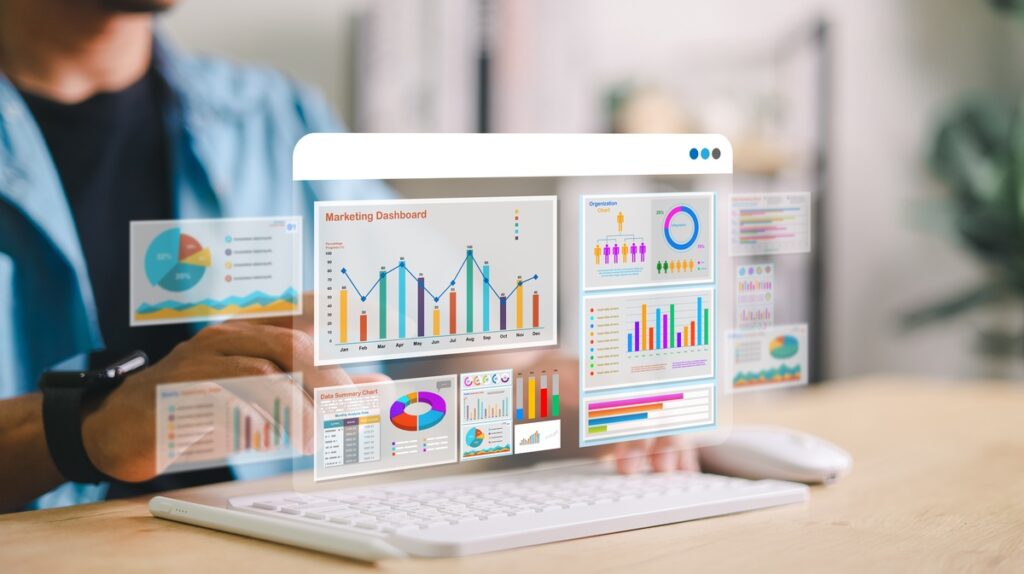
Data Collection
Ad intelligence tools gather information from many sources, such as social media, search engines, display networks, and even app stores.
They track ad creatives, keywords, spend estimates, impressions, and audience data. This wide collection gives a full view of what’s happening across the digital landscape.
Data Processing And Analysis
Once the data is collected, algorithms and AI systems process it. They organize large amounts of information, detect patterns, and identify trends.
This analysis reveals which channels perform best, what creatives drive engagement, and which audiences respond to your campaigns.
Competitor And Market Insights
These tools also monitor competitor campaigns. You can see their ad styles, messages, and spending patterns. This lets you benchmark your own performance and find gaps in the market. These are areas where you can outperform others.
Optimization Recommendations
Many ad intelligence platforms provide real-time suggestions. They might advise pausing poor-performing ads, shifting budget to stronger placements, or testing new creatives.
With automation, you can optimize campaigns instantly and save time while improving results.
Predictive Trends
With enough data, ad intelligence can predict upcoming shifts, such as rising audience interests or seasonal trends. This helps marketers act before competitors do, rather than reacting after it’s too late.
Why Use Ads Intelligence Marketing?
Digital Advertising Intelligence is a growth engine. Here’s why every modern marketer and start-up should use it:
- Maximize your ROI: Every click and impression costs money. Ad intelligence helps you identify which campaigns and audiences deliver the best return, so your budget goes further and your results grow faster.
- Know what your competitors are doing: You don’t have to guess how others advertise. Ad intelligence tools reveal competitors’ ad creatives, placements, and keywords, giving you a real-time look at their advertising strategies. Competitor tracking helps you spot opportunities to stand out or capture untapped segments.
- Discover what truly engages your audience: By analyzing ad performance data, you’ll see which visuals, copy, and formats resonate most. This lets you refine your creative direction and deliver ads that connect emotionally with your audience.
- Save time through automation: Manual tracking and adjustments take hours. Ad intelligence automates data collection, reporting, and optimization, freeing up your team to focus on big-picture strategy and creative work.
- Stay ahead of market trends: Consumer behavior changes quickly. Predictive analytics within ad intelligence tools detect shifts early, helping you adapt campaigns before trends peak.
- Make confident, data-driven decisions: Instead of acting on guesswork, you base every choice on measurable insights. This reduces risk and improves consistency in your marketing performance.
Who Should Use Digital Advertising Intelligence?
These users benefit the most from competitive intelligence advertising:
- Start-ups and small businesses: These teams often have limited budgets. Ad intelligence helps them identify which digital channels work best and avoid wasting money on poor placements.
- Solo marketers and affiliates: They can quickly test creatives, track conversions, and optimize campaigns without a big team or complex tools.
- In-house marketing teams: For brands, ad intelligence helps justify budgets, prove ROI, and improve performance across multiple campaigns in real time.
- Agencies and consultants: Agencies can manage several clients more efficiently, using data to guide creative strategy and deliver stronger results.
- Executives and CMOs: They gain a clear, data-backed view of how advertising spend aligns with overall business goals and market performance.
- Data and marketing analysts: Analysts use ad intelligence to combine competitor data with internal metrics, helping teams make more informed decisions.
How To Utilize Digital Advertising Intelligence Effectively?
Define Clear Business Goals
Start with specific, measurable objectives. Decide whether your priority is conversions, brand awareness, or lead generation. When your goal is clear, your analysis becomes focused, helping you track the right data instead of getting lost in numbers.
Choose The Right Tools
Select an ad intelligence platform that fits your business needs and budget. For small teams, an all-in-one solution with keyword tracking, creative analysis, and competitor insights may work best.
Larger brands can integrate more advanced systems with CRM and analytics platforms.
Benchmark And Analyze Regularly
Before launching new campaigns, record your baseline metrics, such as CTR, CPC, and conversion rate. Compare new campaign data against these benchmarks to measure growth and understand which changes make the biggest difference.
Monitor Competitors Strategically
Use ad intelligence to track how competitors position themselves, from ad messages to visuals and platforms. Identify patterns in their activity (for example, when they launch new campaigns or shift budget). Then, adjust your own advertising strategies to stay ahead or fill gaps they overlook.
Blend External And Internal Data
Combine insights from ad intelligence tools with your own analytics and CRM data. This integration helps you understand not just how your ads perform but also reveal the full customer journey from impression to conversion.
Optimize Creatives With Real Insights
Test and iterate. Use ad campaign performance data to refine your visuals, headlines, and calls-to-action. Let the numbers guide your creative decisions. What’s performing best should shape what you make next.
Stay Consistent And Adaptive
Digital markets evolve quickly. Review your insights weekly and make incremental updates rather than big, infrequent changes. Continuous learning ensures your strategy grows smarter over time, while keeping you ahead of trends.
FAQs
Is advertising intelligence only for big companies?
No. Small businesses and start-ups benefit the most because it helps them spend wisely and compete with larger brands.
Can these tools replace human marketers?
Not entirely. These advertising intelligence tools assist marketers by providing insights and automation, but creativity and strategy still require human input.
How do I choose the right ad intelligence tool?
Look for platforms that fit your needs, such as creative tracking, keyword monitoring, or budget optimization. Start with free trials to see what suits your goals.
How often should I review ad intelligence data?
Review performance weekly for tactical tweaks and monthly for strategic changes. Consistency ensures you adapt quickly to market shifts.