If you run a small business, you know how important it is to get noticed. You need more than just word of mouth; you need digital marketing. It helps you connect with customers, promote your products, and grow your brand without spending a fortune. We’ll walk you through all the benefits of digital marketing for small businesses, along with easy and affordable strategies that really work.
In This Article
Why Digital Marketing Is Important For Small Business
Here’s how digital marketing helps to grow your business:
- Levels the playing field: Digital marketing gives small businesses access to the same tools and audiences as larger companies. With creativity and strategy, they can compete effectively and gain visibility without massive budgets.
- Cost-effective customer acquisition: Techniques like SEO, email marketing, and social media offer high returns at relatively low costs. Even modest investments can yield measurable results, making it ideal for businesses with limited resources.
- Targeted reach and personalization: Businesses can precisely target audiences based on demographics, interests, and behavior. Personalized messaging increases engagement and improves conversion rates significantly.
- Real-time engagement and feedback: Platforms like social media, live chat, and email enable direct communication with customers. This not only builds trust but also provides immediate insights into customer preferences and concerns.
- Data-driven decision-making: Tools like Google Analytics and platform-specific insights help track user behavior and campaign performance. Small businesses can adjust strategies instantly to maximize results and ROI.
- Boosts brand awareness and authority: Consistent, valuable content helps establish expertise and builds long-term brand loyalty. As visibility increases, so does customer trust and market credibility.
- Supports local and global reach: While digital marketing allows for global exposure, tools like Google Business Profile also enhance local visibility. This dual reach is crucial for attracting both nearby and international customers.
- Flexible and scalable: Unlike traditional marketing, digital strategies can be easily adapted as the business grows. Campaigns can start small and expand as success metrics improve.
11 Strategies To Grow Your Business With Digital Marketing
Optimize Your Website for Search Engines (SEO)
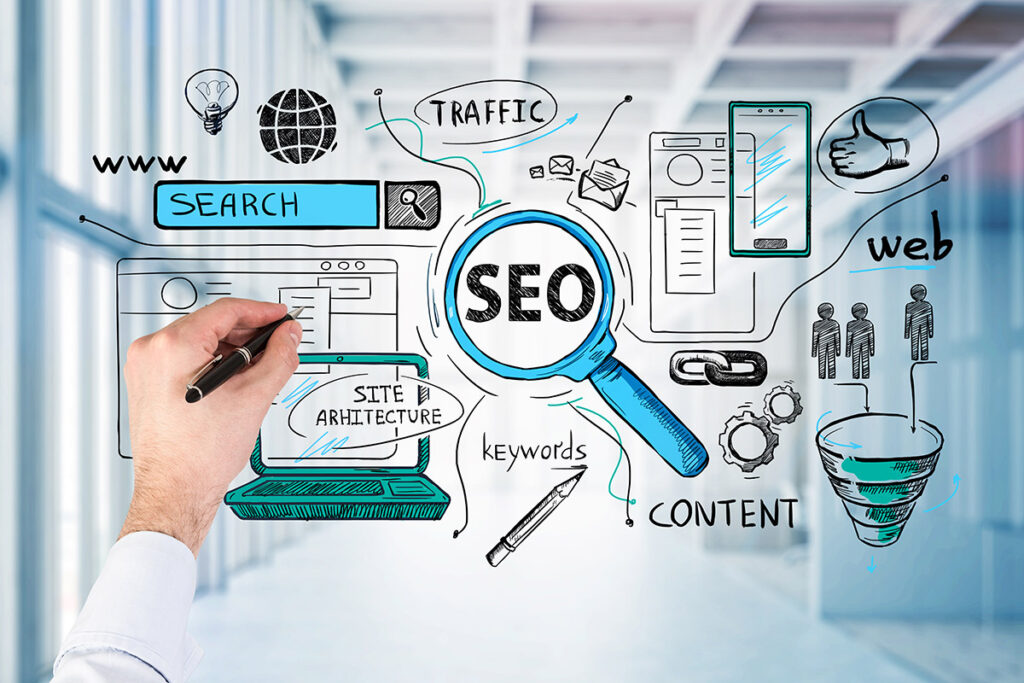
Search Engine Optimization (SEO) helps your business show up in search results when people are looking for your products or services. Think of it like putting up a big, bright sign online. Use keywords that your customers are searching for and make sure your website loads fast and that it works well on mobile phones.
For example, if you own a bakery in Seattle, using terms like “Seattle birthday cakes” on your pages can help locals find you. A study by GE Capital Retail Bank shows that 81% of people research online before buying, so being easy to find is essential. Adding clear titles, descriptions, and high-quality content can make your site more attractive to search engines and visitors alike.
Use Social Media to Engage and Attract Customers

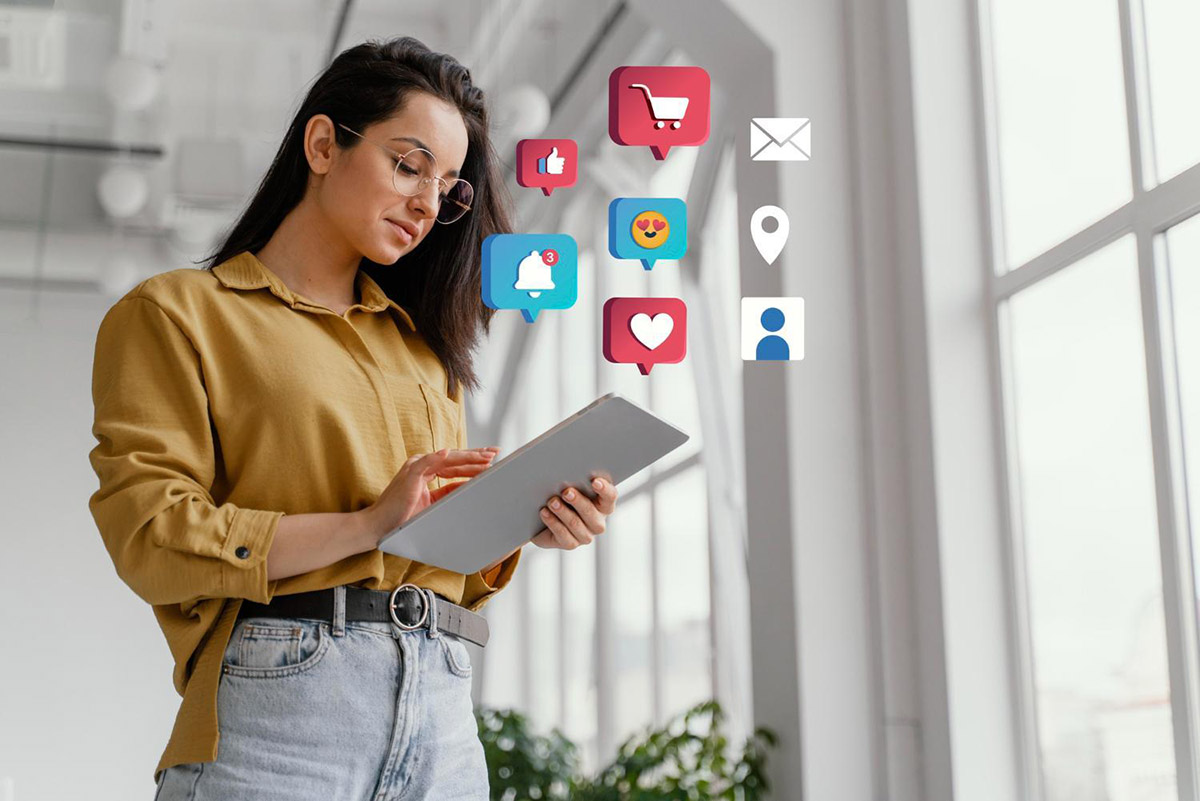
Social media platforms like Facebook, Instagram, and LinkedIn are powerful tools to connect with your audience. Post regularly (once a day is great) and use photos, videos, and short tips to grab attention. For example, a local clothing shop can post photos of new arrivals, behind-the-scenes videos, or customer shout-outs.
Engaging content boosts brand awareness and helps people remember your business. Facebook and Instagram Stories, Reels, and live sessions are especially effective. Even better, you don’t need to be on every platform; just choose 2 to 3 where your audience hangs out and be consistent.
Launch Email Marketing Campaigns

Email is an effective marketing tool with high ROI, generating $42 for every $1 spent [Financial Post]. It’s personal, direct, and easy to automate. Build your list by offering a freebie, like a discount or a useful guide. Then, send updates, tips, or promotions regularly.
A cleaning service, for example, might send weekly home care tips or monthly discounts. Keep emails short, clear, and friendly. Tools like Mailchimp or ConvertKit make it easy to schedule and track email performance. Personalizing emails with the recipient’s name or past purchases boosts open and click rates.
Build Your Google Business Profile (GBP)
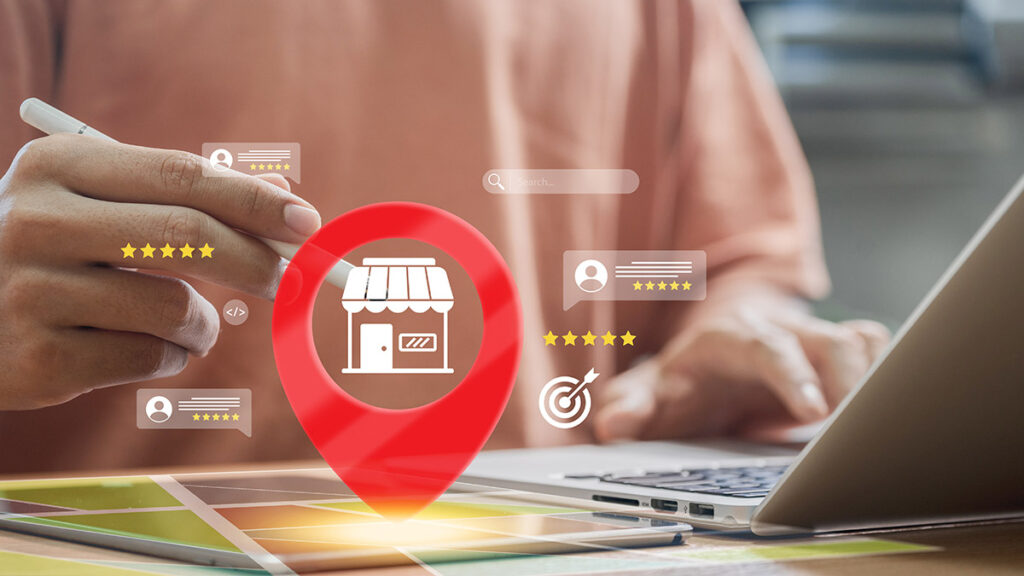
For local businesses, being visible on Google Maps and in local searches is crucial. Creating or claiming your Google Business Profile (formerly Google My Business) helps you appear when people search for nearby services. Make sure your name, address, hours, and contact info are accurate.
Add photos, respond to reviews, and post updates regularly. For instance, a local café might post its weekend brunch menu and showcase customer reviews. This visibility builds credibility and trust, especially for walk-in and local shoppers.
Create Helpful and Shareable Content
Blog posts, videos, infographics, or downloadable guides help educate and attract your ideal customers. Sharing valuable information builds trust and makes people more likely to buy.
For example, a pet grooming business could write a blog post like “5 Tips to Keep Your Dog’s Coat Shiny” or create a video showing a grooming session. Good content is also great for SEO and social media. High-quality content can improve search rankings and increase time spent on your website, which leads to more sales.
Run Small-Budget Paid Ads (PPC)
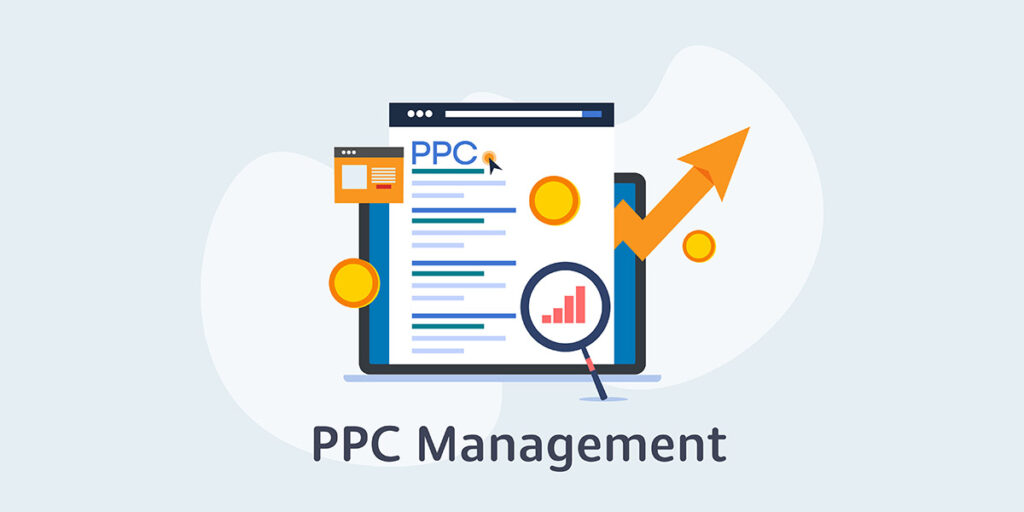
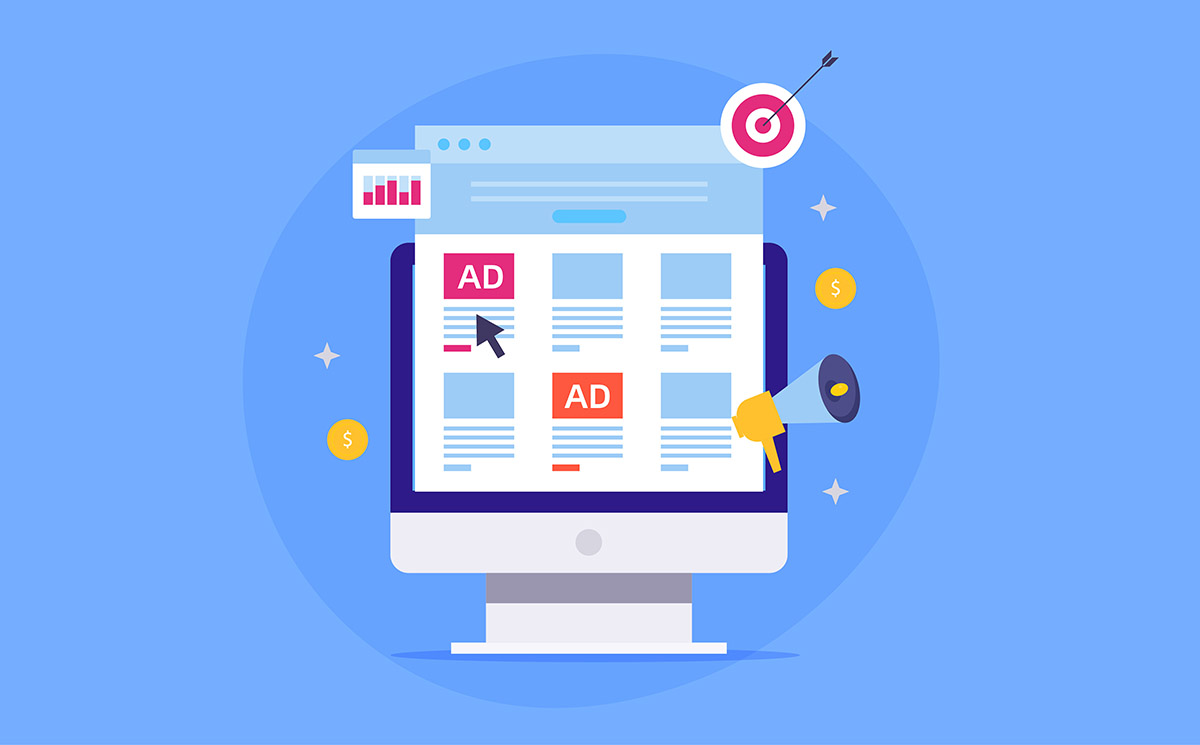
Pay-per-click (PPC) advertising lets you reach specific audiences quickly through platforms like Google Ads or Facebook Ads. You only pay when someone clicks your ad. For small businesses, targeting a local area or using long-tail keywords (like “affordable yoga classes in Denver”) keeps costs down and improves results.
For example, a gym can promote a free trial offer to people living within five miles. Use a daily budget limit to control spending. With careful tracking, even a $5–$10/day campaign can drive traffic and conversions.
Partner With Micro-Influencers

Influencer marketing isn’t just for big brands. Micro-influencers (with 1,000–10,000 followers) often have highly engaged audiences. Partnering with one can give your business a trusted voice and new exposure.
A small skincare brand, for instance, can send products to a beauty blogger in exchange for a review or tutorial video. Since these influencers tend to be more affordable and authentic, they’re great for budget-conscious businesses. Just make sure their audience matches your target market.
Track and Adjust With Analytics Tools

What gets measured gets improved. Tools like Google Analytics, Meta Insights, and email marketing dashboards help you understand what’s working and what’s not. Check metrics like page views, bounce rate, email open rates, and ad clicks.
For instance, if a campaign brought in a lot of website traffic but no sales, you might need to fix your checkout page. Data helps you make smarter decisions and use your budget more wisely. Tracking ROI is one of the key advantages of digital marketing.
Encourage Customer Reviews and Testimonials

Positive reviews build trust and influence buying decisions. According to Forbes, 92% of consumers trust user-generated content over traditional ads. Ask happy customers to leave reviews on Google, Yelp, or Facebook. Make it easy; send a follow-up email with a review link or include a QR code at checkout.
For example, a landscaping business can showcase before-and-after photos along with customer quotes on their website and social media. Video testimonials are even more impactful and can be repurposed across marketing channels.
Host Giveaways, Contests, or Challenges
Contests and giveaways are fun, inexpensive ways to increase engagement and brand visibility. You can ask users to share a photo using your product, tag friends, or answer a simple question.
A handmade candle shop might host a “Name Our New Scent” contest and reward the winner with a free candle. Use platforms like Gleam or Rafflecopter for more advanced features, or keep it simple with a social media post. These campaigns can grow your audience, increase shares, and collect leads.
Use Video to Humanize Your Brand
People connect with people, not logos. Videos showing your team, workspace, customer success stories, or product how-tos help humanize your brand. For example, a local florist can share behind-the-scenes footage of making arrangements or preparing for weddings.
According to WebFX, 82% of consumers share that they have been convinced to make a purchase by watching an advertising video. Short videos work great for social media, while longer ones can live on YouTube or your website.
Case Studies
KidRunner: Niche Product, Global Reach
KidRunner, a small business offering hands-free jogging strollers, successfully used digital marketing to break into a niche market. With a limited budget, the company leaned heavily on content marketing and social proof to educate potential customers about the product’s benefits. They created blog posts, videos, and customer testimonials that demonstrated how the stroller worked in real-life scenarios.
KidRunner also leveraged Google Analytics to track which content led to the most engagement and conversions. This data-driven approach helped them refine their messaging and identify the most effective traffic sources. As a result, they were able to reach endurance athletes and outdoor parents not just locally but globally, something that would have been cost-prohibitive through traditional advertising.
Zac’s Sweet Shop: Social Media Turns Treats into a Brand
Zac’s Sweet Shop, a dessert company launched from a home kitchen, scaled up quickly using the power of social media marketing and influencer partnerships. Founder Zac leveraged Instagram and TikTok to share eye-catching videos of his gourmet treats, focusing on bright visuals and behind-the-scenes content that made viewers feel part of the brand story.
One viral TikTok post helped Zac reach tens of thousands of potential customers overnight. By collaborating with micro-influencers and using paid ads strategically, the brand expanded beyond local orders to ship nationwide.
Email marketing also played a role, offering promotions and product updates that helped retain customers and encourage repeat purchases. The combination of visual storytelling and data-backed marketing transformed Zac’s Sweet Shop from a side hustle into a full-time e-commerce business.