

Setting marketing objectives is one of the smartest moves you can make for your business. They turn vague ambitions, like “I want more customers,” into measurable, actionable goals that actually drive results.
Let’s explore what the objectives of marketing are, why they matter, and how to set them the right way.
In This Article:
What Are Marketing Objectives?
Marketing objectives are specific, measurable goals that guide all marketing activities. They define what your marketing efforts aim to achieve within a certain time. Think of them as the bridge between your overall business goals and your marketing actions.
A strong objective might be “increase online sales by 20% in six months” instead of just “sell more.” They focus your strategy and make it easier to track progress and prove success.
Why Are The Objectives Of Marketing So Important?
Marketing objectives matter more than you think because:
- They give direction: Clear objectives help your team understand what success looks like. Instead of chasing random ideas, you can focus on actions that truly move the needle.
- They help measure success: When objectives are specific and measurable, you can track results and see what’s working—or not. This makes it easier to adjust campaigns and improve ROI.
They align teams and strategies: Everyone, from sales to customer support, works toward the same goals. That unity builds consistency in your messaging and brand experience. - They make budgeting easier: Defined goals help you spend your marketing budget wisely. You can invest in tactics that directly support your targets.
- They encourage accountability: When objectives are clear, everyone knows their role in achieving them. That sense of responsibility motivates teams to perform better.
What Defines Effective Marketing Objectives?
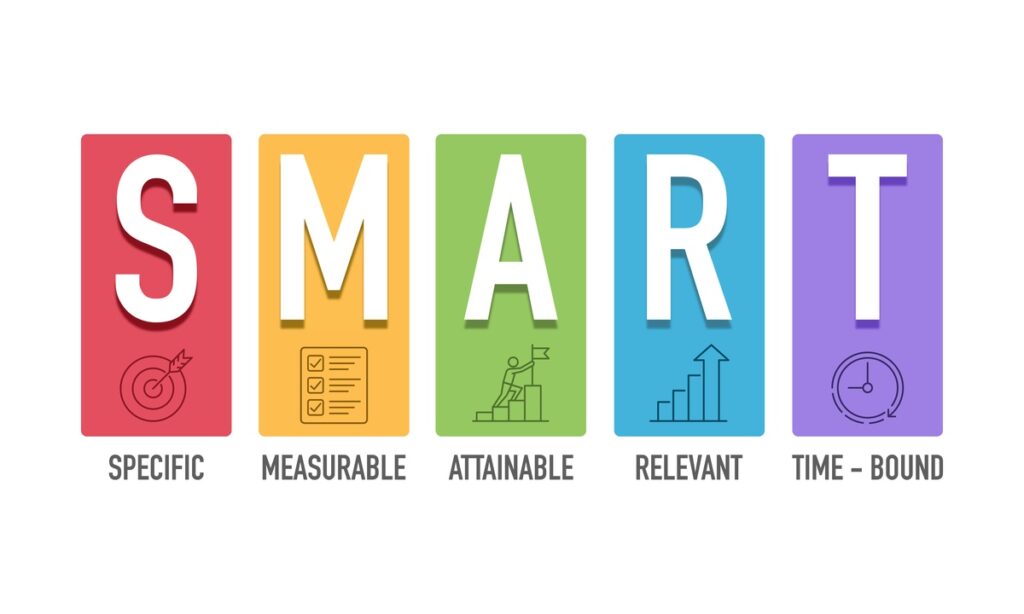
Specific And Focused
Effective marketing objectives clearly state what you want to achieve and how you’ll do it. A focused objective eliminates confusion, guiding every team member toward a shared goal.
For example, instead of saying “boost online visibility,” a specific goal defines the exact platform, audience, and result, like “increase website visits from organic search by 25% in 3 months.” This clarity ensures each action directly supports your desired outcome.
Measurable
A measurable objective allows you to track performance with concrete data rather than vague impressions. It transforms success into something you can quantify, through numbers, percentages, or timeframes.
When results are measurable, you can easily compare them against your targets, identify trends, and make data-driven decisions. This approach keeps you accountable and enables your team to celebrate genuine progress rather than assumptions.
Achievable
Ambitious goals are great, but they should remain realistic given your budget, time, and resources. An achievable objective motivates your team rather than overwhelms them. It’s about balance, setting a target that stretches your limits but still feels within reach.
This builds confidence and momentum, allowing you to learn from small wins and scale up your marketing success step by step.
Relevant
Every marketing objective should serve your broader business purpose. Relevance means your marketing goals align with the company’s vision, audience, and financial priorities.
For instance, if your main goal is to grow customer loyalty, your objective should focus on retention tactics, not on vanity metrics like followers. When objectives are relevant, they create synergy between marketing efforts and overall business growth.
Time-Bound
Without a clear deadline, even the best marketing plan can lose urgency. A time-bound objective keeps your strategy disciplined and results-driven.
Setting a timeline, like “in 90 days” or “by the end of Q2,” helps you plan resources, monitor progress, and evaluate success effectively. Deadlines also encourage accountability, making it easier to assess whether your efforts are paying off or need adjustment.
What Are Marketing Objectives Examples?
Increase Brand Awareness

This objective focuses on making your brand recognizable and trusted by a larger audience. It’s especially crucial for startups and small businesses trying to build visibility in competitive markets.
To achieve this, you might invest in content marketing, PR outreach, or influencer collaborations. Measuring awareness can include tracking mentions, reach, social media impressions, and engagement. The ultimate goal is to ensure that when customers think about your product category, they think of you first.
Generate More Leads
Lead generation goals aim to attract potential customers who are genuinely interested in your products or services. These objectives often involve collecting contact information through landing pages, webinars, or newsletters.
The focus isn’t just on quantity but on the quality of leads who are likely to convert into paying customers. Setting up measurable targets, like “gain 500 qualified leads in two months,” helps you test which channels or campaigns deliver the best results.
Boost Customer Retention/Reduce Customer Churn
Retaining existing customers often brings higher ROI than constantly acquiring new ones. This objective focuses on keeping customers engaged and satisfied long-term. You can achieve it by improving post-purchase communication, creating loyalty programs, or offering personalized customer experiences.
Tracking repeat purchases, churn rate, and customer satisfaction scores will help you measure progress. The goal is to turn customers into advocates who promote your brand organically.
Increase Website Traffic

More website visitors mean more opportunities to convert. This objective is about attracting a consistent flow of qualified, organic traffic through channels like SEO, content marketing, social media platforms, and paid ads.
Instead of chasing empty numbers, focus on drawing the right audience. Tracking visits, bounce rates, and session duration provides insight into your progress. The end goal is steady, sustainable growth in web visibility.
Improve Conversion Rates
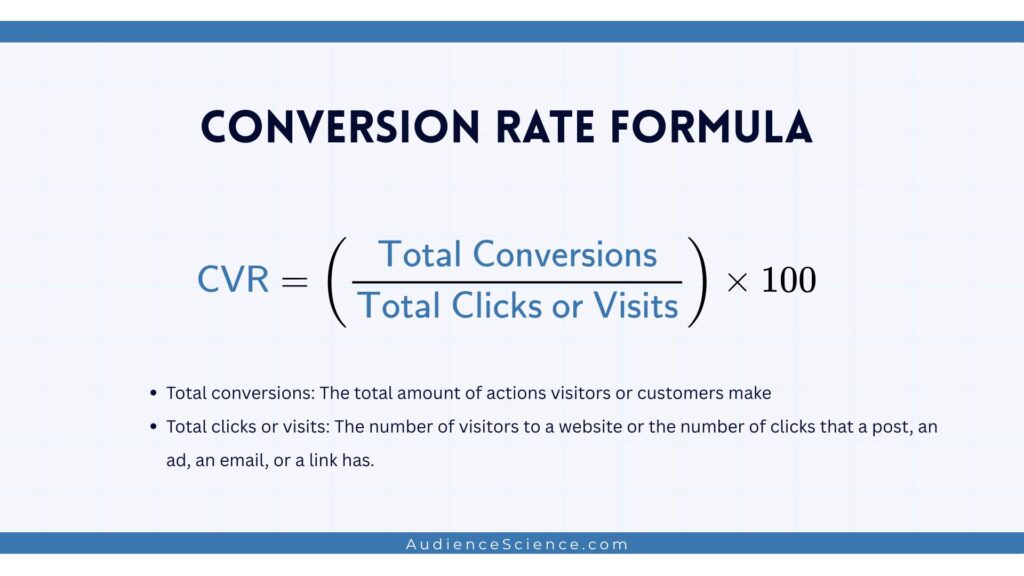
If people visit your website but don’t take action, like signing up, buying, or contacting you, it’s time to focus on conversion. This objective centers on optimizing user experience, refining messaging, and testing new approaches.
You might redesign landing pages, improve calls-to-action, or simplify checkout. The aim is to transform passive visitors into active customers. Even a small improvement in conversion rates can create significant revenue gains.
Grow Social Media Engagement
Engagement reflects how well your audience connects with your brand online. This objective goes beyond follower counts. It’s about fostering conversations and relationships. By encouraging likes, shares, comments, and saves, you create a loyal community that interacts with your content.
Consistency, visual storytelling, and authentic communication drive engagement. Over time, a more engaged audience can enhance visibility, brand reputation, and even sales performance.
Expand Into A New Market
Expanding into a new market helps your business grow its audience and revenue potential. This could mean targeting a new region, age group, or industry segment. The process involves market research, adapting your message to local needs, and building trust with unfamiliar audiences.
Effective expansion objectives consider cultural differences, language, and buying behavior. When done strategically, it opens new opportunities while strengthening your brand’s global footprint.
How To Set Actionable Marketing Objectives?
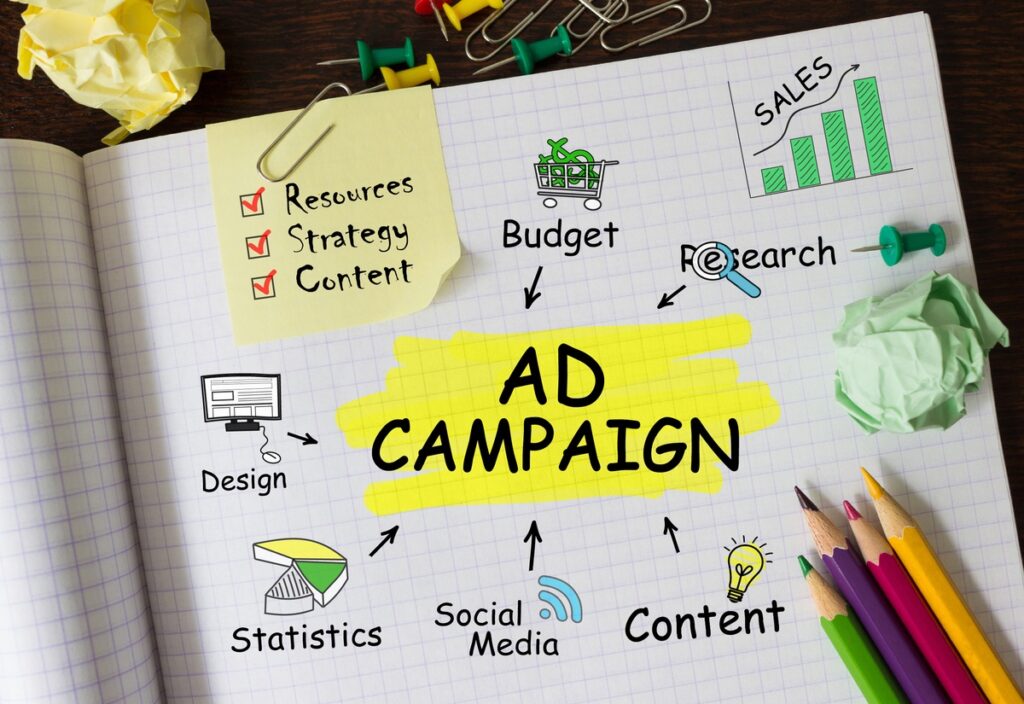
Regardless of your chosen objectives, follow these steps:
- Start with your business goals: Align marketing objectives with your company’s mission and long-term plan.
- Research your market and audience: Understand customer behavior, pain points, and how competitors perform.
- Use the SMART goals: Make objectives Specific, Measurable, Achievable, Relevant, and Time-bound.
- Set key performance indicators (KPIs): Identify the metrics you’ll use to measure success, like leads, conversion rates, or sales.
- Review and adjust regularly: Track progress monthly or quarterly and update your goals as needed. Flexibility keeps your strategy effective.
FAQs
How many marketing objectives should a business have?
Keep it simple. Start with 3 to 5 clear objectives. Too many can dilute focus and resources.
What’s the difference between marketing goals and marketing objectives?
Goals are broad and long-term (“build brand loyalty”), while objectives are specific, short-term targets (“increase repeat purchases by 10% this quarter”).
How often should I review my marketing objectives?
Review them at least every quarter to ensure they stay relevant and achievable.
Can small businesses set the same objectives as big companies?
Yes, but scale them appropriately. Focus on realistic, impactful goals that fit your resources.
What tools can help track marketing objectives?
Use analytics tools like Google Analytics or social media insights to monitor progress and refine your strategy.