
Bandwagon ads tap into the psychology of belonging and the desire to join what others already love. It’s a timeless strategy that drives connection, credibility, and conversion through social proof.
If you don’t want to be left behind, let’s hop on the bandwagon and learn how to harness this advertising approach!
In This Article:
What Is Bandwagon Advertising?
Bandwagon advertising is a marketing strategy that persuades people to buy a product, service, or idea simply because others are doing so. It leverages the psychological phenomenon known as the bandwagon effect. This is when people follow the beliefs or actions of a larger group to feel accepted or avoid missing out.
In advertising, this takes the form of slogans and visuals that imply mass popularity or social proof. Some examples are messages like “Everyone’s switching to…” or “Join millions who love…”. The underlying emotional drivers are belonging, trust, and FOMO (Fear of Missing Out).
Successful campaigns make the audience feel like they are part of a growing community or cultural movement. However, when overused or insincere, bandwagon advertising can backfire by making consumers feel manipulated or skeptical of exaggerated claims.
How Does Bandwagon Advertising Work?
Bandwagon advertising works by tapping into social validation — the idea that if others approve of something, it must be good. It uses cues such as testimonials, celebrity endorsements, influencer partnerships, and user-generated content to show widespread acceptance.
The process typically follows three stages:
- Visibility: The campaign highlights how many people are already engaging with the product or trend. For example, “Over 1 million satisfied customers!”
- Emotional trigger: It activates feelings of excitement, belonging, or fear of exclusion. For instance, limited-time offers or viral social challenges that create urgency.
- Adoption and reinforcement: As more people join, the perceived popularity reinforces itself. This is a cycle of social proof that sustains the trend.
Pros & Cons Of Bandwagon Advertising
Advantages
Harnessing the bandwagon effect in advertising can help your business in many ways:
- Build trust and credibility: When people see others enjoying or endorsing a product, it reinforces confidence in the brand. Social proof makes potential customers feel safer following the crowd, as seen in campaigns by Fitbit and Outdoor Voices.
- Create urgency and FOMO: Bandwagon advertising leverages scarcity and time-limited offers to spark immediate action, encouraging people to buy now so they don’t feel left out.
- Boost brand awareness and reach: User-generated content, influencer partnerships, and viral hashtags expand brand recognition across digital platforms. For example, ELF Cosmetics’ #eyeslipsface campaign generated billions of views by inviting community participation.
- Encourage social engagement: People are more likely to share or participate in campaigns that make them feel part of a movement or trend, turning consumers into advocates who amplify the message organically.
Disadvantages
Advantages aside, overusing the bandwagon advertising can backfire:
- Risk of overhyping or manipulation: Overly aggressive use of bandwagon tactics can make consumers feel manipulated or deceived, damaging long-term brand trust. Keep in mind that audiences may resent feeling “pushed too hard.”
- Short-lived popularity: Trends fueled purely by hype often fade quickly once the novelty wears off. Without genuine product quality or emotional connection, campaigns risk becoming temporary fads.
- Lack of authenticity: If consumers perceive that the popularity is manufactured through fake reviews or exaggerated claims, the campaign can backfire, leading to skepticism and brand fatigue.
- Exclusionary messaging: Some bandwagon ads unintentionally alienate audiences by implying that those who don’t join are missing out or “lesser.” This can reduce inclusivity and damage brand reputation.
How To Use Bandwagon Advertisements Effectively
Partner With Influencers And Launch Community Challenges

Collaborating with influencers can rapidly build credibility and momentum for a campaign. Influencers already have loyal audiences who trust their recommendations, so featuring them using or endorsing your product creates instant social proof.
Combine this with interactive community challenges, like ELF Cosmetics’ viral #eyeslipsface campaign, to engage audiences on a larger scale. Encouraging fans to recreate, share, and tag branded content helps transform a single trend into a cultural movement that sustains engagement and visibility.
Showcase Group Acceptance And Belonging
One of the strongest appeals of bandwagon advertising is the human desire to belong. Use visuals and messages that display large groups of happy customers, fans, or participants enjoying your brand. Phrases such as “Join the millions who already switched” or “Everyone’s loving it” signal collective approval.
This strategy works especially well in industries where lifestyle and identity matter, like fashion, fitness, or tech, because it allows consumers to feel part of a community defined by shared choices and values.
Leverage User-Generated Content And Testimonials

Encourage satisfied customers to share real stories, photos, or videos of themselves using your product. User-generated content (UGC) builds authenticity and acts as relatable proof that “people like me” love this brand.
For instance, Fitbit successfully used everyday customer posts and workout shares to fuel credibility and excitement. UGC also helps reduce marketing costs while maintaining trust, as audiences view peer recommendations as more reliable than polished brand messages.
Use Celebrity Endorsements And Partnerships
Aligning your product with well-known personalities enhances perceived popularity and desirability. Celebrity partnerships create instant recognition and spark curiosity, especially when the endorser’s values match the brand’s.
Fitbit partnered with stars like Will Smith and Sarah Jessica Parker to appeal to both athletic and mainstream audiences. Authentic, well-matched endorsements make people feel they are joining something admired and respected, strengthening both brand reputation and emotional connection.
Create Nostalgia-Driven Campaigns
Tapping into shared memories can evoke powerful emotions and strengthen social bonds. Nostalgia-based bandwagon advertising connects consumers through collective past experiences.
For example, ErstWilder’s My Little Pony collection appealed to a generation’s childhood nostalgia while encouraging social participation through hashtags and limited-edition drops. This emotional familiarity makes audiences eager to join others in reliving something positive from their past, enhancing both engagement and conversion.
Build Engagement Through Interactive Polls And Competitions
Interactive elements like polls, votes, and social media contests invite audiences to participate directly in your campaign. This approach, as seen with Cook’s Country’s Thanksgiving Pie Showdown, allows people to publicly express preferences and join the “winning” side, enhancing the sense of inclusion and fun.
Participation creates a self-reinforcing loop, as more people engage, others are motivated to join, amplifying reach and creating a feeling of collective excitement.
Highlight Scarcity And Create Urgency
Pairing social proof with urgency strengthens the bandwagon effect. Highlight phrases such as “Limited Edition,” “Selling Fast,” or “Only a Few Left” to make audiences feel they risk missing out if they delay. This approach leverages FOMO to motivate quick decisions.

When combined with real popularity metrics or visible demand, like “10,000 sold this week,” scarcity creates momentum and pushes hesitant buyers to act before it’s too late.
Use Comparative Positioning To Show Popular Preference
Subtly position your brand as the preferred choice by emphasizing a unique advantage that others are choosing. Motel 6’s “Pets Stay Free” campaign implied that more pet owners prefer them, without directly attacking competitors.
This approach builds a positive sense of inclusion. Customers feel they’re part of the smarter, more considerate group. Comparative messaging like “More people choose us for X” encourages adoption by appealing to the human instinct to follow successful choices.
Bandwagon Examples To Learn From
Apple: Cultivating Community And Status Through Loyalty
Apple’s marketing success is a textbook case of successful bandwagon advertising. The brand uses psychological and emotional triggers to create a sense of belonging among users.
Apple achieves “neurological connectivity,” where consumers associate the brand with pleasure and satisfaction, reinforced by dopamine-driven anticipation before new product releases. Fans camp outside stores for launches, turning product ownership into a social ritual.
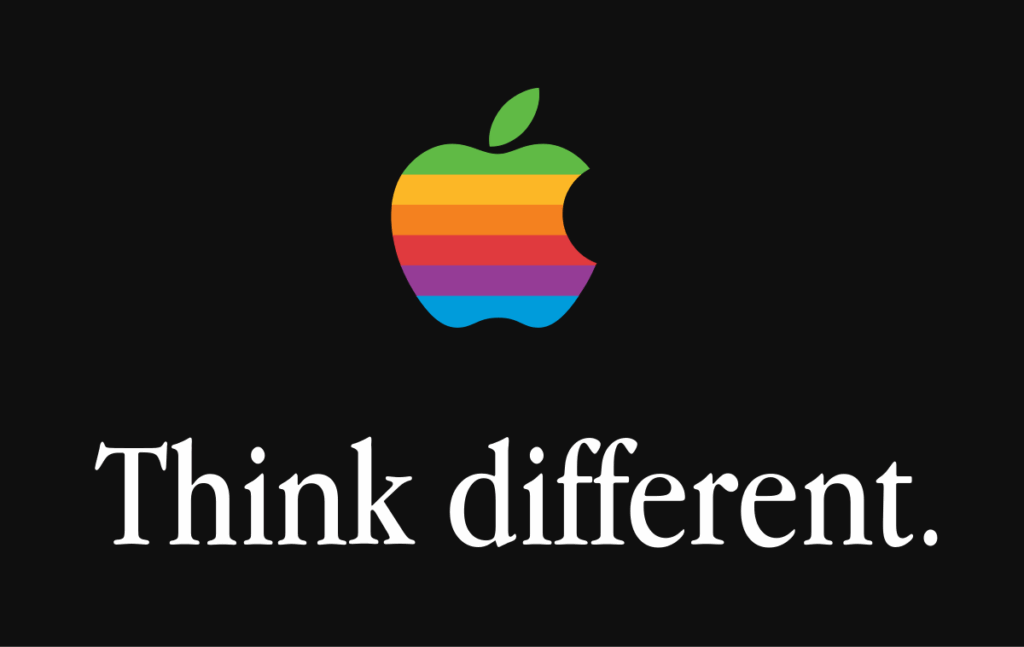
Apple’s “Think Different” campaign further solidified its image as a brand for “free thinkers,” creating both a self-identity and social identity around belonging to the Apple tribe. Even its premium pricing reinforces exclusivity and quality perception.
The brand’s ability to evoke social proof, tribal loyalty, and emotional satisfaction ensures that being an Apple user feels like joining a cultural movement rather than just buying technology. Their success? A survey revealed that 78% of iPhone users couldn’t imagine using a different phone.
McDonald’s: Creating Belonging Through Popularity and Familiarity
McDonald’s leverages the bandwagon technique by portraying its food as something “everyone enjoys.” Their ads often show crowds of happy customers or families sharing meals, reinforcing a universal appeal. The slogan “I’m Lovin’ It” perfectly encapsulates this, a short, emotional phrase that implies widespread approval.
McDonald’s marketing also plays on social inclusion: eating there makes one part of a global community. Promotions like the Monopoly game and limited-time menu items amplify this by creating excitement and urgency, motivating consumers to join the hype “while it lasts.”
This strategy taps into FOMO (fear of missing out) and social conformity, making McDonald’s not just a meal option but a shared social experience.
Coca-Cola: Building Happiness and Togetherness Through Collective Identity
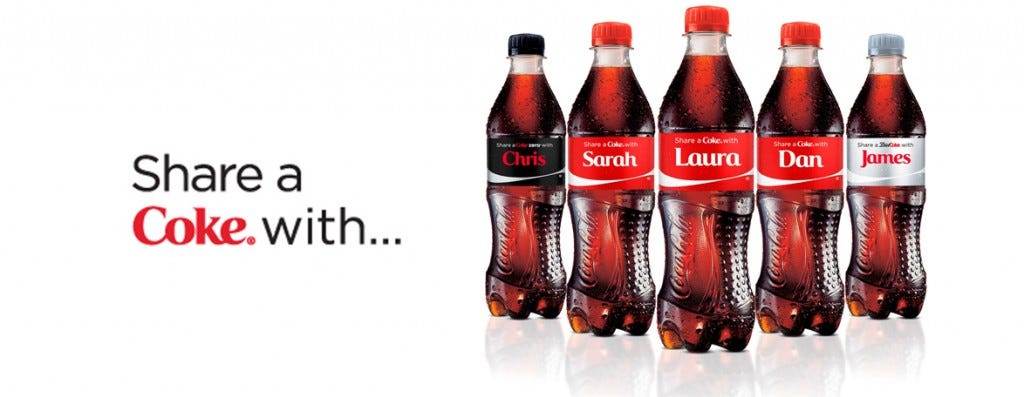
Coca-Cola knows how to turn consumption into a collective emotional act. Campaigns like “Share a Coke” personalized bottles with common names, prompting millions to seek and share theirs online. This transformed a simple product into a social phenomenon, where being part of the campaign meant joining a joyful, global movement.
Coca-Cola consistently associates its brand with happiness, friendship, and unity. These themes thrive on collective participation.
Whether through holiday ads like the “Holidays Are Coming” trucks or global sports sponsorships, the company builds an inclusive identity around shared joy.
By aligning its image with community and emotional bonding, Coca-Cola’s bandwagon advertising sustains both brand relevance and loyalty across generations.