

Great advertising doesn’t just sell. It inspires. Institutional advertising takes this to heart by focusing on a brand’s values, mission, and broader identity. That’s exactly what institutional advertising does for your business. Let’s explore what it is, its benefits, best practices, and real-world case studies to develop a successful campaign!
In This Article:
What Is Institutional Advertising?
Institutional advertising is a marketing approach that focuses on promoting a company’s values, mission, and reputation rather than specific products or services. Unlike product advertising, which seeks short-term sales, institutional campaigns aim to build trust, credibility, and long-term goodwill with consumers, employees, and stakeholders.
It is widely used by corporations, nonprofits, and public institutions that want to highlight their identity, culture, and commitments, such as sustainability, social responsibility, or innovation.
Benefits Of Institutional Advertising

Institutional promotion offers businesses multiple benefits:
- Build brand reputation and trust: By emphasizing values, ethics, and social contributions, institutional advertising enhances how the public perceives a company. This strengthens credibility, making audiences more likely to engage with the brand over time.
- Encourage customer loyalty: When consumers identify with a company’s mission or values, they are more likely to remain loyal, even if competitors offer cheaper or alternative options. Brand loyalty based on shared values often proves more resilient than loyalty built on product features alone.
- Support recruitment and retention: Institutional advertising can highlight workplace culture, employee benefits, and corporate purpose. This attracts top talent while reinforcing pride and retention among existing employees.
- Differentiate from competitors: In crowded markets, institutional advertising allows brands to stand out by communicating unique philosophies or commitments. Rather than competing solely on price or product specs, companies build an emotional connection with target audiences.
- Appeal to a wide audience: Unlike product ads that target active buyers, institutional advertising speaks to multiple groups: customers, investors, employees, and the general public. This broad reach helps a company shape its reputation across different segments of society.
- Strengthen long-term success: Institutional campaigns contribute to sustainable growth by building equity in the brand name itself. As recognition and goodwill grow, future product launches and campaigns benefit from an established positive image.
When To Use Institutional Ads
Institutional ads come in handy when your business wants to:
- Strengthen brand identity and credibility: Institutional ads are most useful when a company wants to reinforce its overall identity and cultivate a reputation for reliability. By focusing on the organization rather than specific products, brands can create a lasting sense of trust with customers, investors, and the broader public.
- Champion causes and values: These campaigns are effective when a business wants to align itself with a social issue, cultural movement, or industry stance. By taking a stand and sharing its values, a company demonstrates leadership and deepens emotional connections with audiences.
- Attract and retain talent: Organizations also turn to institutional ads when showcasing their workplace culture, purpose, and benefits to potential employees. Highlighting these aspects not only helps in recruitment but also reinforces pride and commitment among existing staff.
- Showcase commitment to society: Companies often use institutional advertising to highlight their contributions to the community, sustainability projects, or charitable initiatives. This signals corporate responsibility, boosting goodwill and fostering long-term loyalty from stakeholders.
Institutional Advertising Vs. Product Advertising
| Aspect | Institutional Advertising | Product Advertising |
| Primary Goal | Build a positive reputation, credibility, and long-term brand equity for the company as a whole. | Drive immediate sales and generate measurable conversions for specific items or services. |
| Focus of Message | Emphasizes company mission, values, ethics, and social contributions. | Highlights features, benefits, pricing, and unique selling points of a particular product. |
| Audience | Broad spectrum: consumers, investors, employees, regulators, and the general public. | Narrower and more transactional: active buyers and prospective customers for the product. |
| Time Horizon | Long-term; campaigns often run for months or years to sustain image and trust. | Short-term; geared toward immediate sales boosts, promotions, or product launches. |
| Measurement of Success | Evaluated by shifts in public perception, goodwill, loyalty, and reputation metrics. | Measured through sales volume, lead generation, return on ad spend, and other direct KPIs. |
| Examples | Dove’s Real Beauty (empowering self-image), Apple’s Think Different (innovation identity), Google’s Year in Search (community reflection). | Smartphone launch ads highlighting specs, Amazon sales promotions, or seasonal retail discounts. |
Case Studies: Successful Institutional Advertising Examples
Adidas – “There Aren’t Plenty Of Fish In The Sea Anymore”

Adidas launched this campaign to spotlight the environmental threat posed by ocean plastic waste. Rather than focusing on shoes or sportswear, the ad promoted the brand’s broader commitment to sustainability and eco-conscious innovation. It resonated strongly with target audiences concerned about the planet, positioning Adidas as a leader in corporate responsibility.
Texas A&M University-Commerce – “Our Pride Runs Deep”

This institutional campaign emphasized tradition, loyalty, and the enduring strength of the university community. By highlighting values instead of academic programs alone, the message fostered deeper emotional ties among alumni, students, and staff. It helped strengthen the university’s identity, boosting both reputation and long-term loyalty.
Apple – “Think Different”
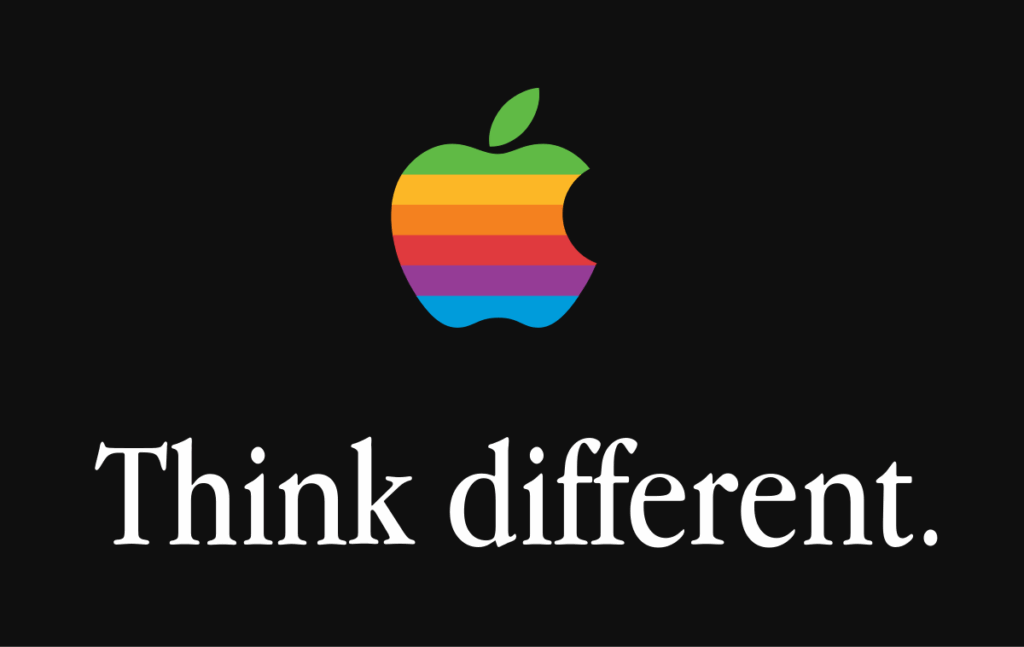
Apple’s iconic campaign celebrated creativity, innovation, and challenging the status quo. Instead of marketing a single device, it associated Apple with visionary thinkers and cultural icons, reinforcing its brand as one built on originality and imagination. This institutional approach cemented Apple’s image, which goes beyond a tech company to become a symbol of innovation itself.
4 Best Practices For Institutional Advertising Campaigns
Focus On Storytelling
Strong institutional advertising relies on narratives that connect emotionally with the audience. Rather than presenting statistics or features, campaigns should tell stories about people, communities, or values that embody the brand’s identity.
This approach humanizes the organization and makes its message relatable, ensuring that viewers remember the story long after the ad ends. Storytelling also allows companies to illustrate their mission in action, whether through customer success stories, social responsibility initiatives, or bold visions for the future.
Maintain Consistency In Brand Identity
Institutional campaigns work best when they align seamlessly with the organization’s established tone, values, and visual identity. Consistency across platforms, whether in messaging, logos, or values, reinforces brand recognition and builds credibility.
If an institutional ad contradicts how a company behaves or communicates elsewhere, audiences quickly lose trust. By keeping campaigns consistent with the brand’s broader identity, organizations can strengthen loyalty, signal authenticity, and ensure their values resonate clearly across all channels.
Be Authentic And Transparent
Audiences today are highly attuned to insincerity in advertising, especially in campaigns about social responsibility or advocacy. Brands should avoid exaggerating their role in solving global issues and instead highlight genuine contributions backed by evidence.
Transparency about both successes and ongoing challenges can make a campaign more believable. Authenticity builds trust, ensuring that the institutional ad does not come across as opportunistic but rather as a sincere reflection of the company’s culture and priorities.
Balance Long-Term Vision With Current Relevance
Institutional advertising aims to build long-lasting goodwill, but it must also feel timely and relevant to the present cultural or social context. Campaigns that balance timeless brand values with issues audiences currently care about achieve the strongest impact.
For example, tying a brand’s sustainability mission to urgent conversations about climate change can strengthen resonance. This dual focus allows campaigns to establish enduring brand equity while staying connected to the evolving interests and concerns of stakeholders.
FAQs
How does institutional advertising differ from corporate social responsibility (CSR) initiatives?
Institutional advertising is the communication channel that promotes a company’s values, reputation, or commitments, while CSR initiatives are the actual programs and actions taken by the organization. In short, CSR is what the company does, and institutional advertising is how it communicates those efforts to the public.
Can small businesses benefit from institutional ads, or are they only for large corporations?
While global brands often run institutional campaigns, small and mid-sized companies can benefit just as much. By highlighting community involvement, company culture, or unique values, smaller businesses can build credibility and trust locally, often differentiating themselves from bigger competitors.
What industries tend to use institutional advertising the most?
Sectors like education, healthcare, and nonprofits rely heavily on institutional ads to build trust and credibility. Large consumer brands, such as tech and apparel companies, also use them to strengthen their image, especially around issues like sustainability, inclusivity, or innovation.
How do companies measure the effectiveness of institutional ads if they don’t drive direct sales?
Instead of tracking conversions, businesses measure success through brand perception surveys, media mentions, reputation indices, and engagement on campaigns. Long-term indicators such as loyalty, trust, and public goodwill are stronger signs of impact than immediate revenue spikes.
When is it better to prioritize product advertising over institutional advertising?
Product advertising is more effective when the goal is to increase sales quickly, promote a launch, or respond to seasonal demand. In contrast, institutional advertising is better suited for long-term positioning and reputation building, often laying the foundation that makes product-focused campaigns more successful.