
Advertising is all about showing off selling points and hiding flaws, but sometimes, it can lean towards manipulation, tricking audiences into believing a deceptive conclusion. That’s the magic of logical fallacy ads. Some brands embrace these advertisements, while others argue against their effectiveness. If you’re also in two minds, keep reading to see when to draw the line between fallacies and ethical ads.
In This Article:
What Is Fallacy Advertising?
Commercials using fallacies deliver a misleading statement about the product or service to trigger audiences’ emotional connection and cognitive biases, grabbing their attention and persuading them to take immediate action (making a purchase).
Logical fallacies, in particular, are flawed arguments that sound reasonable at first. But as you dig deeper, they lack logical reasoning, and the conclusion doesn’t match the premise.
Pros & Cons Of Commercials That Have Fallacies
Pros
- Attention-grabbing: Without a doubt, ads with illogical or misleading messages tend to stand out more than traditional commercials. Anything that goes against the audience’s logical thinking is more memorable.
- Emotional triggers: Those fallacies are meant to tap into the target audience’s feelings, including fear, love, guilt, etc., going beyond their logical thinking. Therefore, they’ll find themselves emotionally resonating with the ads.
- Immediate result: Even with faulty reasoning, these misleading statements leave a strong impact on audiences’ emotions, triggering a sense of FOMO or urgency and driving them to take immediate action.
- Simplicity: Since advertisements with logical fallacies don’t rely on logic, they appear easier to understand for audiences. This is especially true for complex information or brand messages that have been simplified by fallacies.
Cons
- Dissatisfaction and loss of trust: Once brands publish ads with fallacies, they intentionally manipulate customers to make regrettable decisions due to misleading information. This is the shortest way to destroy customer satisfaction, trust, and loyalty.
- Traffic decrease: Once a website is notorious for publishing misleading ads, audiences are reluctant to visit it, seeking other sites with better credibility and authority. A drop in traffic translates to a decrease in leads, sales, and revenue.
- Reputation damage: Publish a single fallacious advertisement, and it will leave a black mark on your business reputation forever. Not to mention, negative word of mouth also takes a toll on your brand image.
- Regulatory concerns: If your ads cross the line of truth-in-advertising regulations, your company risks facing fines and lawsuits. When a customer notices that your advertisement contradicts your product information, they can take you to court (more examples below).
9 Examples Of Fallacies In Advertisements
1. Bandwagon Fallacy
As its name implies, the bandwagon fallacy plays on audiences’ fear of missing out. This type of ad revolves around a popular trend or opinion, tricking people into thinking that everyone is doing it and it’s necessary to hop on the bandwagon, or you’ll be left behind.
This technique creates a FOMO effect and makes customers ignore the product’s drawbacks. You might encounter phrases like “everyone is using it,” “it’s so popular now,” or “join millions of people.”
A prime example is McDonald’s and its signature slogan: Over 99 billion served. In fact, there’s no actual evidence to back up this statistic. However, the slogan still implies to consumers that if billions of people have tried McDonald’s, their food must be good.

2. Ad Hominem Fallacy
Ad Hominem is a Latin term that translates to “to the person.” “The person,” in this case, is a competitor. This tactic aims to shift the public’s focus from the argument to the person initiating it rather than actually dealing with the issue. Simply put, you’re trying to defame your competitors, making them look inferior to your brand instead of praising your products.
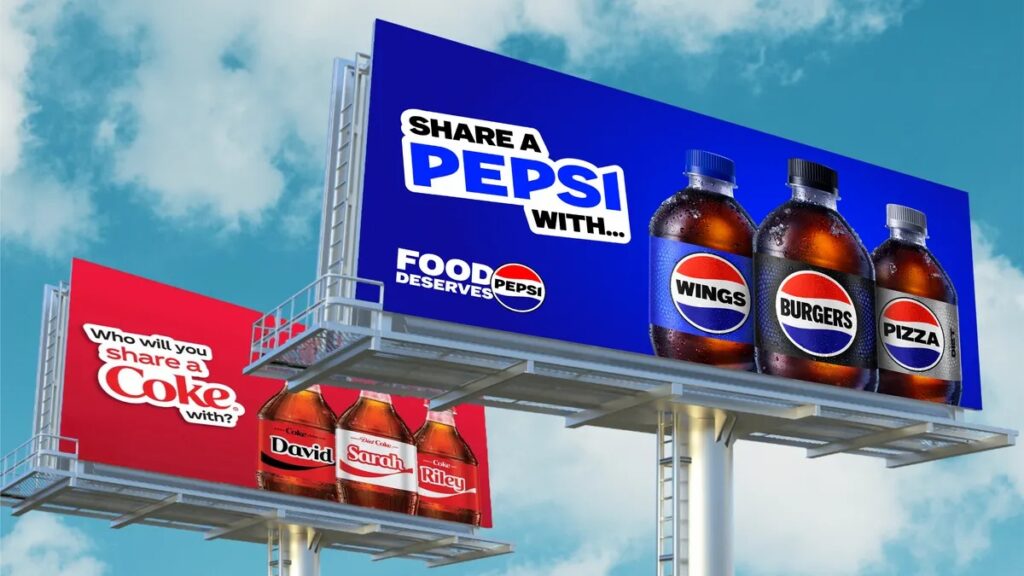
A case in point is the long-standing rivalry between Coca-Cola and Pepsi. A Pepsi’s 1996 ad features a Coke delivery man secretly buying a Pepsi. The brand spends no words on how they’re superior. Instead, the image of the Coca-Cola delivery guy was a powerful jab at Coke, implying that Pepsi is so good that even a Coca-Cola employee can’t help but drink it secretly.
3. Appeal To Emotion Fallacy
An appeal to emotion fallacy is all about turning on your emotional switch, including love, fear, sadness, compassion, trust, and so on. This technique relies on attention-grabbing images, sound effects, and music.
Besides, storytelling and using metaphors and emotional trigger words are other common tactics. For instance, commercials with heart-touching footage of sea animals stuck in plastic bags and sad background music speak louder about protecting the environment than cliches or slogans.
To help you understand better, let’s take a look at the Super Bowl ad from Kia in 2024. The commercial successfully moved audiences to tears when the electric car helped the grandchild perform in front of her grandpa, who was unable to go to her Super Bowl performance. Such a moving ad gives viewers the impression that Kia is a trustworthy and ethical brand.
4. False Cause Fallacy
Also known as post hoc fallacy, this false cause fallacy is a common technique used in commercials. They tend to link two or more unrelated events together, fooling audiences into thinking that the former must be the cause of the latter. However, this cause-and-effect relationship is incorrect or lacks proof.
For example, a TRESemmé shampoo ad centering around a woman with long, shiny, voluminous hair makes viewers believe that only by using the shampoo can they get salon-quality hair. However, in reality, using that product alone can’t guarantee such a result.
5. False Dilemma Fallacy
This common advertising fallacy simplifies complex choices by presenting only two options: one that appears clearly favorable and one that’s exaggeratedly negative. It tricks consumers into believing that there’s no middle ground or alternative, pressuring them to make a hasty decision.
You’ll often hear phrases like “Either you’re with us or you’re against us” or “Choose us or risk everything.”
For example, insurance ads might say: “With SafeguardSure, your family’s future is protected. Without us, you’re gambling with everything that matters.” This tactic dismisses other viable solutions, like competitor policies or different financial strategies, and forces the consumer into a narrow binary choice.
6. Slippery Slope Fallacy
The slippery slope fallacy uses fear to exaggerate potential consequences if a product or service is not used. It falsely implies that one small decision will trigger a chain of disastrous events. This type of fallacy relies on flawed logic to push consumers toward urgent action.
One standout example is DIRECTV’s satirical ad “Don’t Sell Your Hair to a Wig Shop,” where a mundane issue like having cable spirals into a series of absurd calamities. The underlying message is: Stick with cable, and your life will fall apart; choose DIRECTV, and you’ll avoid chaos. It’s meant to entertain, but it still employs fear-based logic to sway viewers.
7. Straw Man Fallacy
This fallacy involves misrepresenting a competitor’s argument to make it easier to attack. By building a “straw man” version of a rival’s stance, the ad then knocks it down, making the advertiser seem more reasonable or superior.

Instead of addressing real claims, it distorts them into something exaggerated or easily dismissible.
For instance, a cereal brand might say, “Some companies think breakfast should be all about rules and restrictions. We believe breakfast should be fun.” In reality, their competitor might just promote lower sugar levels for health reasons. The ad avoids engaging with the actual argument and instead ridicules a caricature of it.
8. Appeal To Authority Fallacy
The appeal to authority fallacy suggests a product is great simply because an expert, celebrity, or authority figure says so. It bypasses factual support and hinges on the credibility or popularity of the person endorsing it.

You’ll often see products labeled as “Doctor recommended” or featuring influencers without any substantiated reasoning.
A textbook case is Taylor Swift’s long-term partnership with Diet Coke.
For years, Taylor Swift has appeared in TV commercials and print ads for Diet Coke, seamlessly aligning her image with the beverage, often during her album releases. The marketing doesn’t necessarily tout health benefits or taste superiority.
Instead, it implies that if Taylor Swift drinks Diet Coke, then fans should too. The emotional connection Swift has with her audience is leveraged to transfer trust to the product, even though there’s no rational basis for connecting her musical success with the quality of the soda.
9. Halo Effect
This fallacy uses the success or positive reputation of one product to unfairly promote another from the same brand. It creates a psychological bias: if you like one thing from the brand, you’ll assume everything else they make is just as good.
A prime example is Apple’s launch of the Apple Watch. While people didn’t have prior experience with the watch, they eagerly trusted its quality because of their satisfaction with the iPhone. The existing positive impression of Apple products created a “halo” that influenced perceptions of new, unrelated offerings.
10. Lawsuits With Fallacies In Commercials
Benefits aside, several major brands have faced lawsuits due to misleading advertisements that relied heavily on common fallacies.
One prominent example is Red Bull, which was sued for its tagline, “Red Bull gives you wings.” This is a classic case of the false cause fallacy in advertising, where the implication that the drink enhances performance has no scientific support. The company settled for $13 million in a class-action lawsuit after it was deemed that the marketing message misled consumers.
Skechers also landed in legal trouble with its Shape-Ups sneakers, which were marketed as tools for weight loss and muscle toning without any actual exercise. The claims relied on both the false cause and authority appeal fallacies, citing dubious clinical studies conducted by someone closely tied to the company. The Federal Trade Commission fined Skechers $40 million for deceptive advertising.
Similarly, Reebok had to pay $25 million for its EasyTone shoes, which falsely claimed to tone muscles during everyday walking, again demonstrating the dangers of the false cause fallacy.