
Many people use the words “marketing” and “advertising” as if they mean the same thing. It’s easy to see why—they both help promote a business and attract customers. But if you look closer, you’ll see they are actually quite different. Knowing the key differences between the two helps you become smarter about how to grow a brand. Keep reading to explore!
In This Article:
What Is Marketing?
Marketing is a comprehensive and strategic process that involves identifying, predicting, and meeting the needs of customers to maximize business long-term success. It goes far beyond mere promotion or communication.

Marketing activities encompass everything from market research and product development to pricing, distribution, and long-term relationship management. The goal of marketing is to create sustained value for both the customer and the business.
For example, when a tech company wants to launch a new smartphone, marketing begins by studying consumer preferences and market trends. It then develops a product that fits those insights, establishes a price point that balances profitability with customer value, and chooses the right retail and online channels to distribute it.
The marketing team also handles branding and communication strategies to ensure the product resonates with the target audience over time.
What Is Advertising?
Advertising is a specific, action-oriented component of marketing that focuses on promoting products or services through paid channels. Its primary goal is to increase visibility, attract attention, and drive immediate action, whether that’s visiting a website, making a purchase, or generating leads.

Typically, advertising includes campaigns across multiple platforms, such as television, radio, online display networks, social media, search engines, and, more recently, mobile apps. These ads are designed to reach targeted segments of consumers with compelling visuals, slogans, and calls-to-action.
For instance, a clothing brand might run Instagram and YouTube ads promoting a seasonal sale, with the aim of boosting traffic to their website within a two-week window.
What Is The Difference Between Marketing And Advertising?
Marketing is a strategic, long-term process focused on understanding customer needs, building relationships, and creating brand value. Advertising is a short-term, tactical tool used to promote products or services through paid media. In essence, advertising is one component of marketing designed to generate immediate visibility and action.
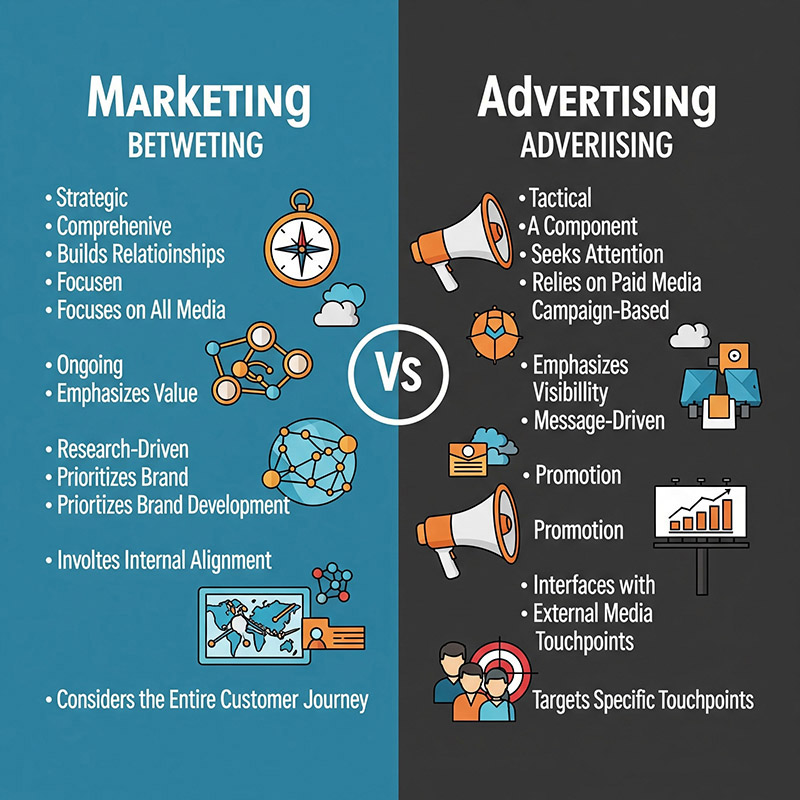
Marketing Is Strategic; Advertising Is Tactical
Marketing is a long-term, strategic discipline that encompasses a broad set of activities aimed at understanding and meeting customer needs. It begins with research, identifying market demand, analyzing competitors, and defining the target audience.
It includes the creation of a brand identity, pricing strategies, and determining the right distribution channels. For instance, a company launching a new energy drink would conduct market research to understand consumer preferences, develop a product that suits their taste, position it with a distinctive brand, and decide whether to distribute it in gyms, convenience stores, or online.
Advertising, in contrast, is tactical. It refers to the specific actions taken to promote a product or service, usually through paid media. It’s the execution layer that puts the marketing strategy in motion.
Continuing the energy drink example, advertising would involve creating a series of social media ads featuring athletes drinking the product, running a television spot during sports events, or buying Google Ads targeting health-conscious consumers. Advertising acts as the voice of the broader marketing plan.
Marketing Is Comprehensive; Advertising Is a Component
Marketing is an umbrella that includes numerous disciplines, such as product development, branding, pricing, customer relationship management, and distribution. Advertising is just one of these components, specifically focused on promoting the brand or products.
Marketing might involve rebranding an entire product line based on customer feedback or launching a loyalty program to increase repeat purchases. Advertising would then support this initiative by promoting the rebranded products or the new loyalty program through digital campaigns.
Marketing Builds Relationships; Advertising Seeks Attention
The essence of marketing is relationship-building. It’s about engaging with potential customers throughout the entire buying journey, from awareness and consideration to purchase and post-sale loyalty. For example, an email marketing campaign that provides value-driven newsletters to subscribers aims to build a long-term relationship and trust with the brand.
On the other hand, the advertising technique is primarily focused on grabbing attention and driving immediate responses. It’s not necessarily designed to maintain engagement over time. A 15-second Instagram ad promoting a flash sale is crafted to generate instant interest and prompt quick purchases, not to cultivate a relationship.
Marketing Focuses on All Media; Advertising Relies on Paid Media
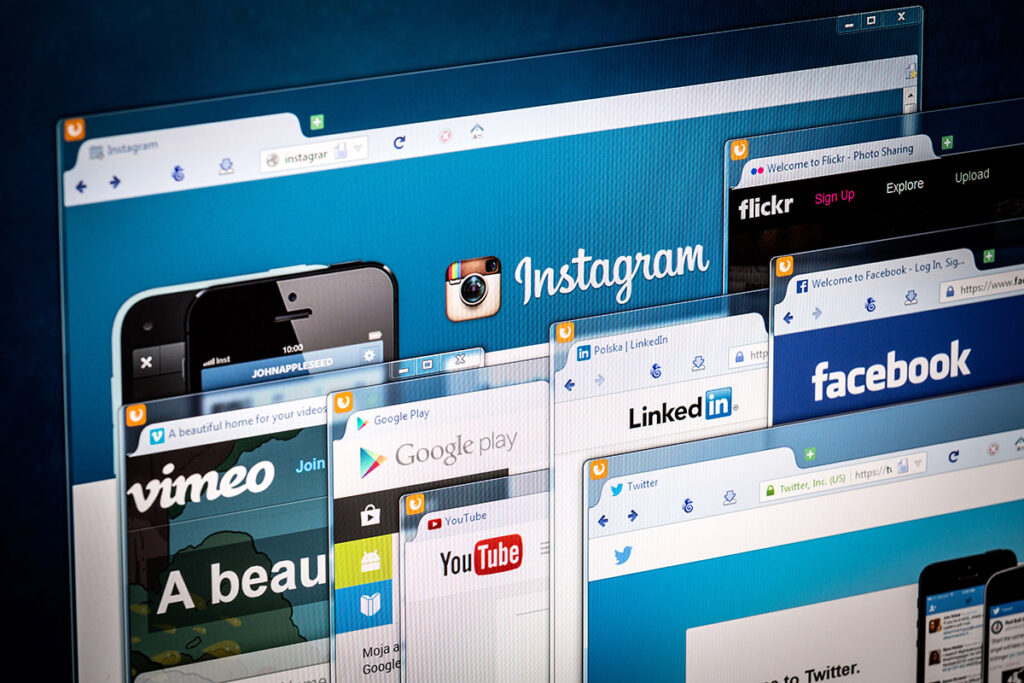
Marketing integrates paid, owned, and earned media. This means a company may use its blog (owned), encourage reviews (earned), and also invest in banner ads (paid). Marketing strategists design how these elements come together cohesively to build brand equity.
Advertising, however, operates mainly in the realm of paid media. It involves paying to place content in front of audiences, whether via print ads, pay-per-click advertising campaigns, or influencer sponsorships. For example, a shoe company may advertise through Google Display Ads, but that advertising is part of a broader marketing plan that also includes content marketing and community-building on social platforms.
Marketing Is Ongoing; Advertising Is Often Campaign-Based
Marketing is an ongoing process. It involves continually assessing market trends, customer behavior, and business performance. Companies like Apple constantly adapt their marketing to reflect shifts in consumer expectations, updating branding and customer touchpoints even between product launches.
Advertising, however, is typically campaign-based and time-bound. It may be launched in bursts, like a holiday season TV campaign or a two-week YouTube ad blitz promoting a new product. The advertising stops once the campaign goal is met or the advertising budget runs out, but the overarching marketing strategy persists.
Marketing Emphasizes Value; Advertising Emphasizes Visibility
Marketing focuses on creating and communicating long-term value. For example, a SaaS company might position its product as a solution to increase workplace efficiency and promote its value through detailed case studies, user testimonials, and educational webinars.
Advertising zeroes in on making that value visible. That same SaaS company might run LinkedIn ads targeting IT managers with a message like “Boost your team’s productivity by 30% – Start your free trial today.” The goal here isn’t deep education; it’s grabbing interest and prompting action.
Marketing Is Research-Driven; Advertising Is Message-Driven
Marketing relies heavily on data and insights. It begins with understanding the customer: what they want, how they behave, and what influences their decisions.
Marketers conduct surveys, focus groups, competitor analysis, and market trend evaluations to guide strategic planning. For example, a skincare brand might discover through market research that customers are increasingly interested in sustainability. That insight can guide product formulation and branding.
Advertising, on the other hand, takes the findings from that research and builds persuasive messages around them. It’s concerned with how the product is perceived, which words and images create the strongest emotional connection, and which formats or platforms generate the best engagement. If the skincare brand learns that sustainability is key, its advertising might feature visuals of eco-friendly packaging and slogans like “Beauty that doesn’t cost the planet.”
Marketing Prioritizes Brand Development; Advertising Focuses on Promotion
A key role of marketing is to shape and develop a brand’s identity over time. This includes defining the brand’s mission, tone of voice, values, visual aesthetics, and customer experience. The goal is consistency and clarity so that customers feel connected to the brand. Nike’s “Just Do It” brand ethos is not just a tagline. It’s a product of years of consistent marketing strategy and alignment.
Advertising then builds on this brand identity to execute high-impact campaigns. It may introduce a new product or feature, amplify a seasonal offer, or retarget past customers with special deals. Advertising is flexible and campaign-specific; it adapts to current objectives while leveraging the core branding established by marketing.
Marketing Involves Internal Alignment; Advertising Interfaces with External Media
Marketing works cross-functionally within an organization. It aligns with product development, sales, customer service, and finance teams to ensure a unified approach. For instance, a marketing team may collaborate with product designers to ensure features match customer desires and work with the sales team to create upsell strategies.
Advertising is more externally focused. It involves coordination with media buyers, creative agencies, digital platforms, influencers, and publishers. Its main interface is with the channels that deliver messaging to the public, not necessarily the internal functions of a business.
Marketing Considers the Entire Customer Journey; Advertising Targets Specific Touchpoints
Marketing maps the entire customer journey, from awareness to consideration to conversion and beyond. It crafts content and experiences for each stage: educational blog posts at the top of the funnel, in-depth guides in the middle, and customer loyalty programs at the end. A brand like HubSpot exemplifies this with its seamless integration of educational content and CRM tools.
Advertising tends to focus on specific touchpoints in that journey, often at the awareness or conversion stages. It might bring in a new visitor via a Facebook ad or push a returning customer to complete a purchase with a retargeted Google ad. Its scope is narrower but highly impactful when aligned with the broader marketing strategy.
They Are Different But Still Rely On Each Other!
Marketing and advertising are distinct disciplines, each with its own scope, objectives, and methods, but they are intrinsically linked in the pursuit of business growth. Marketing is the strategic architect that designs the customer journey, defines brand positioning, and ensures long-term value creation. Advertising, in turn, is the tactical engine that drives visibility, fuels engagement and delivers the message crafted by marketing to the right audience at the right time.