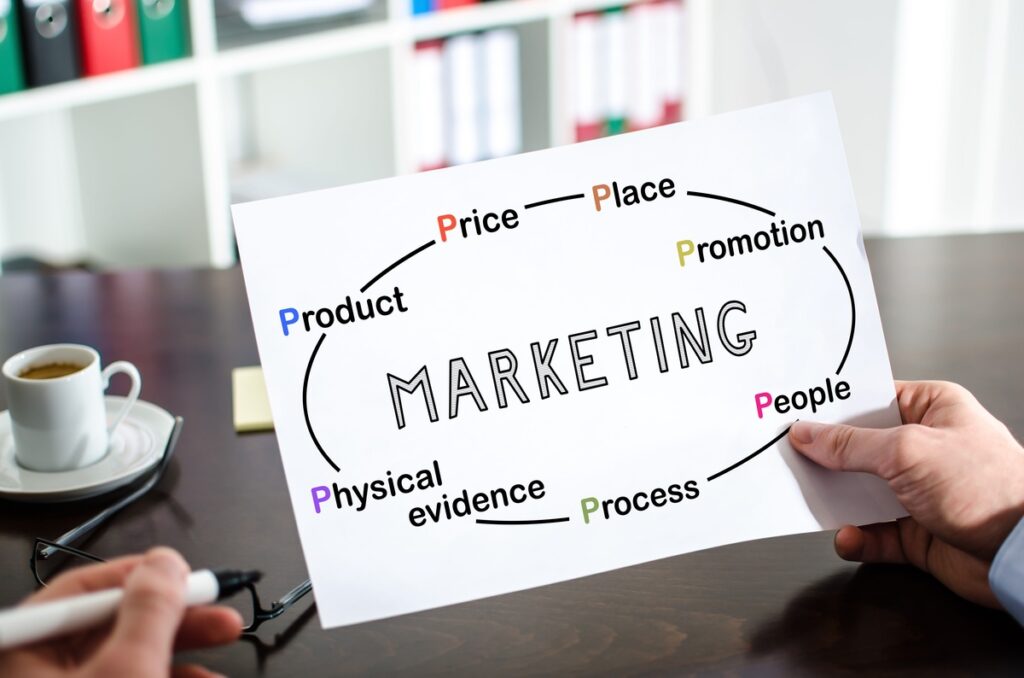
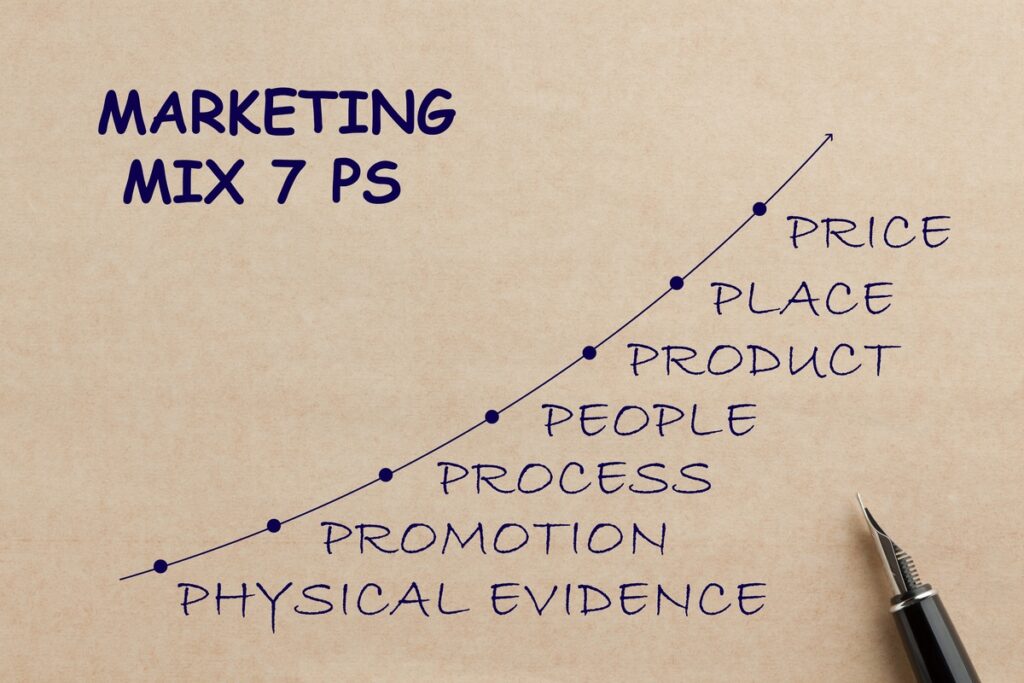
Marketing is more than ads or flashy campaigns. It’s about understanding people and offering the right product, at the right place, for the right price. The 7 principles of marketing help businesses design strategies that truly connect with customers.
In this post, you’ll learn what each principle means, see examples, and find tips on how to apply them effectively.
In This Article:
What Are The 7 Principles Of Marketing?
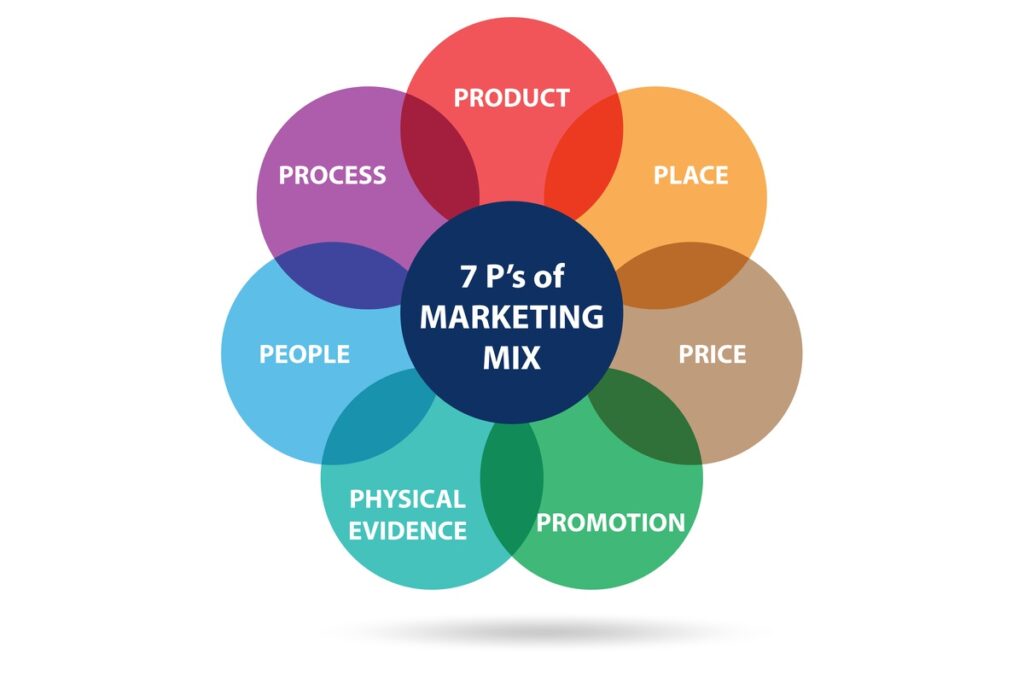
Product
Your product is the foundation of your marketing strategy. It’s what you offer to solve your customer’s problem or meet their needs. A product can be a physical item, a service, or even an experience. The key is to make sure it delivers real value and stands out from competitors.
Think about quality, design, features, and how your product fits your audience’s lifestyle. Constantly improve based on customer feedback and market trends.
Example: A skincare startup creates eco-friendly packaging and uses natural ingredients to attract customers who care about sustainability. The product aligns with the audience’s values, which boosts loyalty and word-of-mouth marketing.
Price
The price is more than a number. It reflects how customers see your product’s value. Setting the right price requires balancing costs, competitor pricing, and what your audience is willing to pay.
A premium price can create an image of exclusivity, while a lower price might appeal to value-seekers. Regularly review your pricing strategy as your brand and market evolve. Transparency in pricing also builds trust.
Example: A subscription coffee brand offers tiered plans—basic, standard, and premium. So, customers can choose what suits their budget. This flexible pricing attracts both casual drinkers and enthusiasts.
Place
Place is where your customers find your product. It’s about accessibility and convenience. Whether you sell online, in-store, or through distributors, your goal is to reach customers where they are.
Distribution channels must match your audience’s habits. Some prefer e-commerce, others like visiting physical stores. The easier it is to buy your product, the more likely people are to choose it.
Example: A local bakery launches an online ordering system and partners with delivery apps to reach busy city professionals who don’t have time to visit in person.
Promotion
Promotion covers how you communicate your product’s value. This includes advertising, social media, PR, content marketing, and even word-of-mouth. The goal is to create awareness, interest, and desire that lead to action.
Consistency is crucial. Your brand message should be clear and recognizable across all channels. Tailor your promotions to the right audience segment to maximize impact.
Example: A small fitness studio runs a social media challenge encouraging members to share their workouts. This campaign builds engagement and attracts new clients through authentic user-generated content.
People
People are at the heart of marketing. They include your customers and the team that serves them. Great marketing starts with understanding your audience’s needs and ends with delivering excellent service.
Training your team to communicate well and provide a positive experience turns customers into advocates. Every interaction matters, from the first ad they see to after-sales support.
Example: A boutique hotel trains staff to remember guests’ preferences, like favorite drinks or room types. This personal touch enhances satisfaction and earns repeat bookings.
Process
Process refers to the systems and workflows that deliver your product or service. Smooth, consistent processes lead to better customer experiences and brand trust.
Automation tools, clear communication, and regular evaluation can help make operations efficient. A good marketing process should make life easier for both your team and customers.
Example: An online fashion store automates order tracking and returns. Customers receive real-time updates, reducing anxiety and support requests.
Physical Evidence
Physical evidence is tangible proof that your brand is trustworthy. It’s everything customers see or experience that confirms your promises, including packaging, website design, store layout, and even testimonials.
Strong physical evidence creates confidence and sets expectations. Consistency in branding helps customers recognize and remember you.
Example: A digital marketing agency showcases case studies, client logos, and testimonials on its website. This visible proof reassures potential clients of their expertise.
Example: The 7Ps In A Real-Life Scenario
Imagine a small coffee shop called BrewKind that wants to grow beyond its local audience.
- Product: Offers organic, fair-trade coffee and vegan pastries.
- Price: Sets competitive prices with loyalty discounts.
- Place: Expands from a single café to an online store offering nationwide delivery.
- Promotion: Runs Instagram ads and posts short videos about coffee brewing tips.
- People: Trains baristas to share product knowledge and greet customers warmly.
- Process: Uses an efficient ordering app that minimizes wait time.
- Physical Evidence: Creates minimalist packaging and cozy store décor that reflect the brand’s eco-friendly identity.
How To Apply The 7Ps Of Marketing?
Product – Focus on Customer Needs
Start by doing market research, focusing on your target audience. Find out what problems they face and how your product can help. Create something that delivers real value, not just features.
Test new ideas with small groups, gather feedback, and keep improving your offer. Remember, your product should evolve with your customers, not the other way around.
Price – Balance Value and Profit
Set prices that reflect both the worth of your product and your audience’s expectations. Don’t compete only by being the cheapest — focus on what makes your product worth the cost.
Offer flexible options like bundles, payment plans, or loyalty discounts. Review prices regularly to stay competitive while protecting your profit margins.
Place – Be Where Your Customers Are
Choose distribution channels that fit your customers’ habits. If your audience shops online, invest in a user-friendly e-commerce website or marketplace presence.
For physical stores, think about convenience, accessibility, and atmosphere. The goal is to make it easy for customers to find and buy from you, no matter where they are.
Promotion – Communicate With Purpose
Use marketing channels that best reach your audience. This could be social media, email, local events, or online ads. Your message should clearly explain the benefits of your product and inspire trust.
Combine storytelling with data-driven marketing to reach both the heart and the mind. Consistency in tone and visuals builds recognition and credibility.
People – Build Meaningful Connections
Your team represents your brand, so invest in training and motivation. Happy employees create happy customers.
At the same time, understand your audience deeply. Use empathy, active listening, and personalized communication to strengthen relationships. Long-term loyalty grows from a genuine human connection.
Process – Simplify Every Step
Streamline your operations so the customer journey feels smooth and easy. This includes everything from browsing your website to making a purchase or getting support.
Automate where possible but keep a personal touch. Clear communication, fast responses, and transparency make the process enjoyable and trustworthy.
Physical Evidence – Prove Your Value
Show your customers they can trust you. Design packaging, websites, and marketing materials that reflect your brand quality.
Collect testimonials, customer reviews, and case studies to serve as proof of your credibility. Consistent visuals and a professional presentation help customers feel confident about buying from you.
FAQs
Why are the 7 principles of marketing important?
They provide a complete framework for planning and evaluating your strategy so every part of your business works together to meet customer needs.
Do small businesses need to apply all 7Ps?
Yes, but they can adapt them based on their size and goals. Even small improvements in each area can boost results.
How often should I review my marketing mix?
At least once a year or whenever your market, products, or customer preferences change.
Are the 7Ps only for physical products?
No. The 7Ps apply to services and digital products too. For example, an app developer still considers price, process, and promotion.
What’s the difference between the 4Ps and 7Ps?
The original 4Ps focused on product-based marketing. The 7Ps added People, Process, and Physical Evidence to reflect modern service and experience-driven markets.