Have you ever seen an ad that seemed too good to be true? You’re not alone. Misleading advertising isn’t just about lying. It stretches the truth until it breaks, and so does your brand’s credibility.
In this post, we’ll explore what false advertising means, the real-world consequences, and misleading statistics in advertising examples. Then, you’ll know why honesty is still the best marketing strategy.
In This Article:
What Is False Advertising?
False advertising happens when a company uses incomplete or deceptive information to make a product look better than it really is. This can mislead customers into buying something they might not have chosen otherwise. This tactic is common in digital advertising.
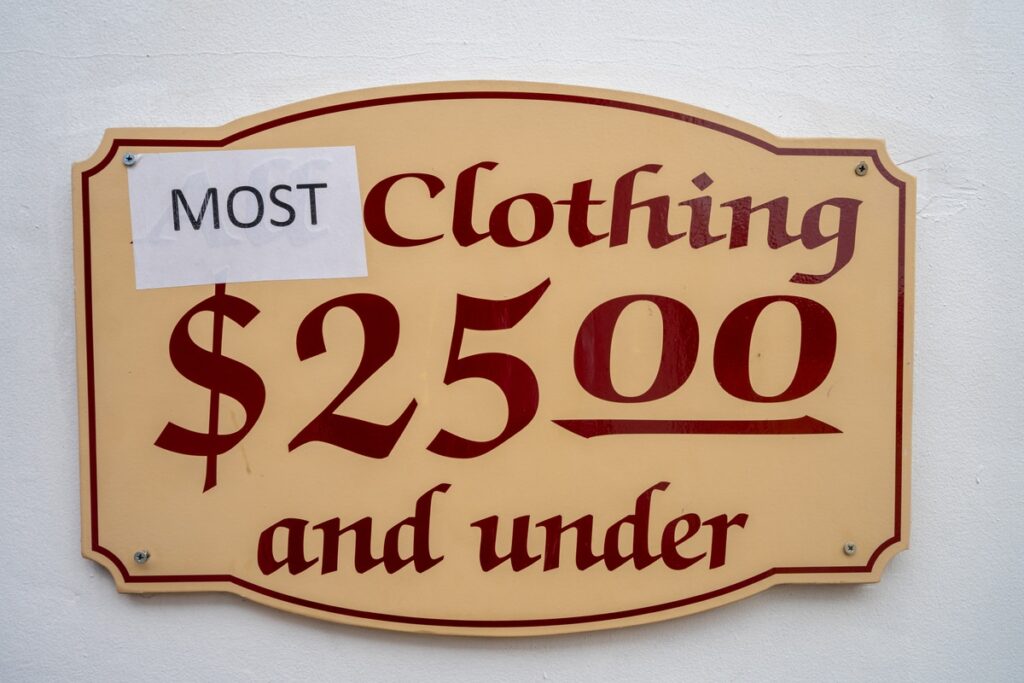
Common types of deceptive ads include:
- Exaggerated claims: Brands overpromise what a product can do. For instance, they might claim instant results or benefits that aren’t proven.
- Omissions: Important details are hidden in fine print or not mentioned at all, making an offer seem better than it is.
- False comparisons: Ads sometimes compare products unfairly, without equal testing or context, to appear superior. This creates unfair competition among brands in the industry.
- Visual deception: Images can make products look larger, more vibrant, or more effective than they truly are.
- Hidden fees: Some businesses advertise a low price, then add unexpected charges later in checkout or contracts. Misrepresenting the price breaks customer trust and can lead to legal trouble.
What Happens If You Use Misleading Ads?
Using misleading ads might seem like a shortcut to quick sales, but the cost can be much higher than you expect. Here’s what can happen if your brand uses misleading or false advertising:
- Legal trouble: Regulators like the Federal Trade Commission (FTC) and other consumer protection agencies can take action against deceptive marketing. Fines can reach millions of dollars, and some companies must also pay refunds or settlements to customers.
- Reputation damage: Trust is fragile. Once your audience feels tricked, it’s hard to rebuild that relationship. Angry customers often share their experiences online, spreading bad publicity and fraudulent impressions faster than any paid campaign can fix.
- Financial losses: Deceptive advertising doesn’t just hurt credibility; it drains cash. Lawsuits, settlements, and pulled products all cost money. Some brands even face boycotts or lose partnerships after scandals break.
- Team disruption: When a brand is under investigation, employees face stress, delays, and uncertainty. Marketing and PR teams must shift their focus from creativity to crisis control, halting normal business progress.
- Mandatory corrective ads: In some cases, companies are legally required to run “truthful advertising” to clarify their previous false claims. This is costly and often humiliating, as it highlights the brand’s earlier mistakes.
- Long-term trust issues: Even after a company pays fines and apologizes, customers may stay skeptical. It takes consistent honesty, transparency, and time to win them back.
7 Misleading Advertising Examples & Their Lessons
Red Bull Gives Your Wiiings
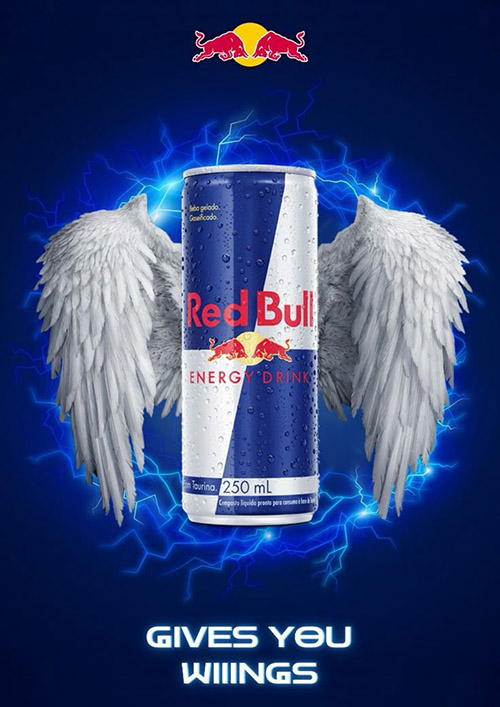
For years, Red Bull advertised its energy drink as one that “gives you wings,” suggesting it boosted focus and performance. However, the company had no scientific proof that its product improved physical or mental ability more than a standard cup of coffee.
In 2014, consumers filed a class-action lawsuit in the U.S., arguing the slogan was misleading. Red Bull settled the case for $13 million, offering $10 or two free products to anyone who had purchased the drink since 2002. The company didn’t admit wrongdoing but quietly adjusted its marketing language afterward.
What We Can Learn
Creative slogans should inspire, not deceive. If your claim implies measurable effects, like “improves focus” or “boosts performance,” you must have clear scientific evidence to back it up.
H&M Greenwashing
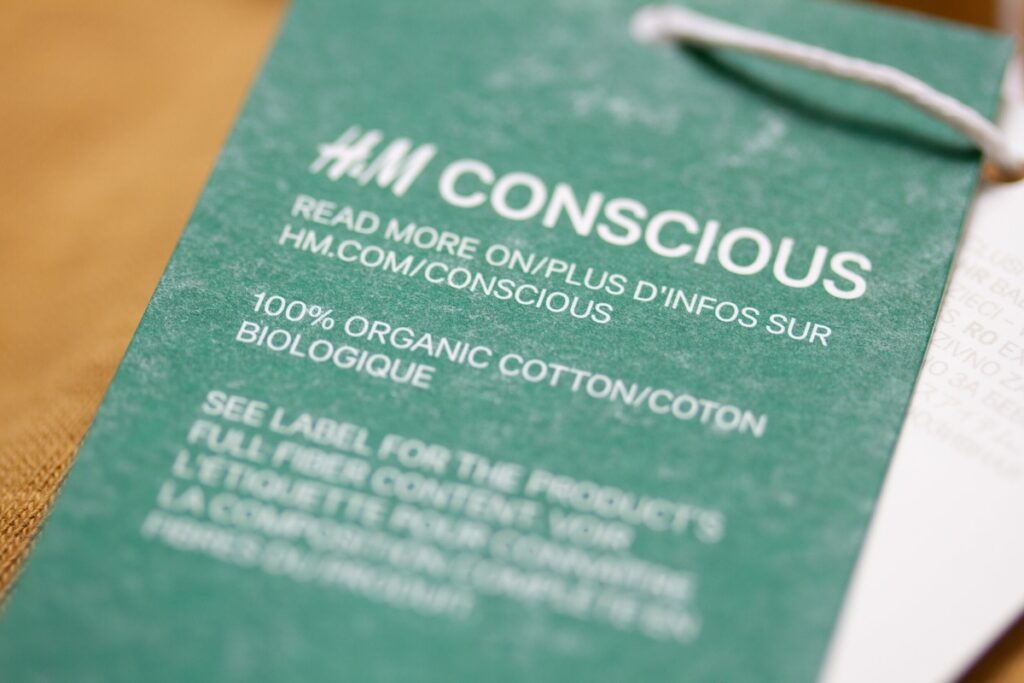
H&M promoted its “Conscious Collection” as made from sustainable materials and displayed environmental scorecards for each product. The company claimed these clothes had a smaller environmental footprint compared to regular lines.
However, a 2022 investigation by Quartz found that over half of these claims were exaggerated or false. Some items labeled as “sustainable” even had worse environmental scores than standard ones. The data came from the Higg Materials Sustainability Index (MSI), a tool later criticized for providing inaccurate impact data.
After the report, Norwegian regulators ruled that using such metrics in marketing could break the advertising laws. H&M removed the scorecards from its website and paused public use of the MSI. The controversy sparked a global conversation about greenwashing and the need for transparency in sustainability marketing.
In an effort to show accountability, the company donated $500,000 to promote sustainability in the fashion industry.
What We Can Learn
Sustainability sells, but honesty matters more. Avoid vague or absolute claims like “eco-friendly” or “green.” Instead, explain your process, materials, and verifiable improvements. If you use third-party tools, ensure the data is credible and up to date.
Johnson & Johnson Baby Powder For African-American and overweight women
Johnson & Johnson’s talc-based baby powder was marketed for freshness and comfort, especially to African-American and overweight women. But internal documents revealed the company knew for decades that its talc products sometimes contained asbestos, a substance linked to cancer.
The brand faced over 30,000 lawsuits from consumers who developed ovarian cancer and mesothelioma. Courts ordered Johnson & Johnson to pay billions of dollars in settlements and damages. The company eventually pulled talc-based baby powder from U.S. shelves in 2023 and replaced it with a cornstarch version.
What We Can Learn
Honesty and safety must come before profit. Marketers have a duty to question claims and understand product risks, especially when targeting vulnerable groups.
Activia Yogurt With “Regulates Digestion” Claims
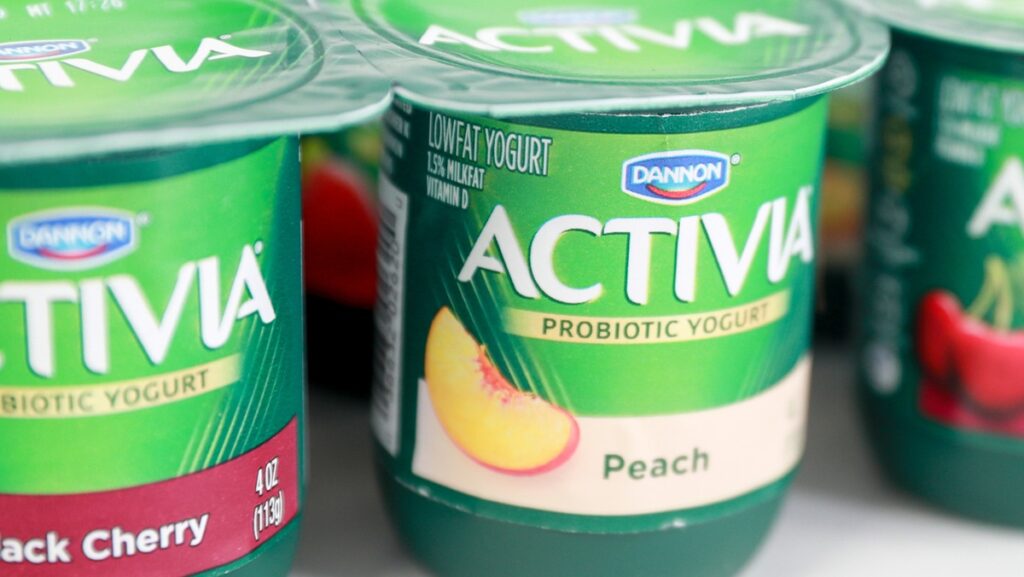
Activia marketed its yogurt as “clinically proven to regulate digestion” thanks to a special probiotic called Bifidus Regularis. However, the brand’s claims exaggerated the benefits. Regulators found no solid scientific proof that the yogurt improved digestion beyond normal dietary fiber.
In 2010, the brand’s parent company agreed to pay $45 million to settle a class-action lawsuit and stopped using the misleading “clinically proven” claim in ads.
What We Can Learn
Health and science-based marketing requires real data. Genuine consumers trust brands that use medical language, so be ready to show credible studies or risk losing that trust.
Volkswagen’s Clean Diesel Emissions Scandal
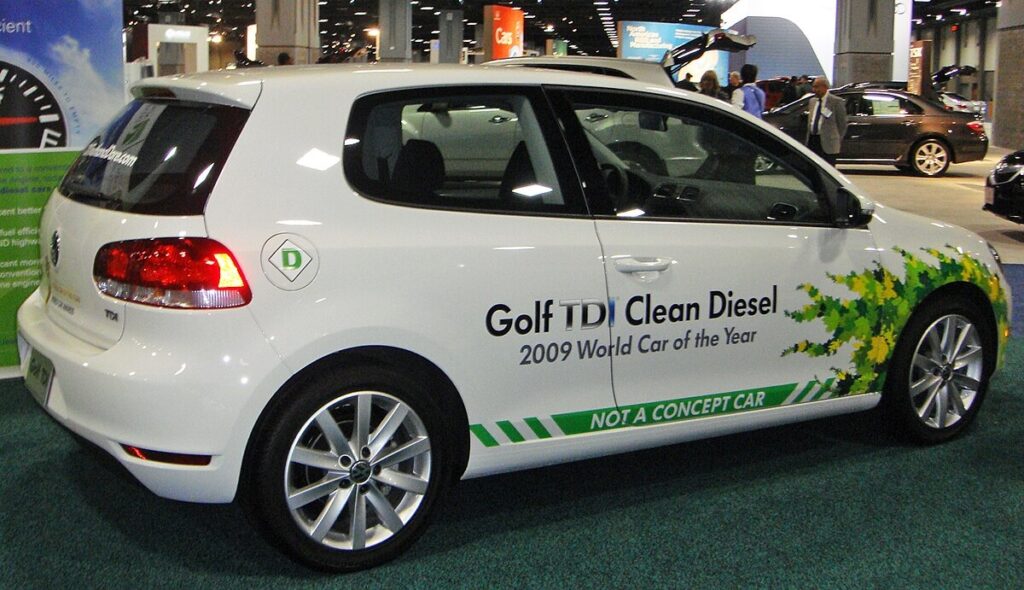
Volkswagen promoted its diesel cars as “clean” and environmentally friendly. But in 2015, investigators discovered that VW installed defeat devices, which are the software that detected emissions testing and altered engine performance to appear cleaner than it was.
In reality, the cars emitted up to 40 times the legal limit of nitrogen oxide, a major air pollutant. The scandal led to over $30 billion in fines, settlements, and vehicle buybacks worldwide. The CEO resigned, and the brand faced years of reputational recovery.
What We Can Learn
Technology can’t cover dishonesty. Even complex industries must ensure transparency. Once trust is broken, even a global brand struggles to rebuild.
Airborne Supplements’ Misleading Claims
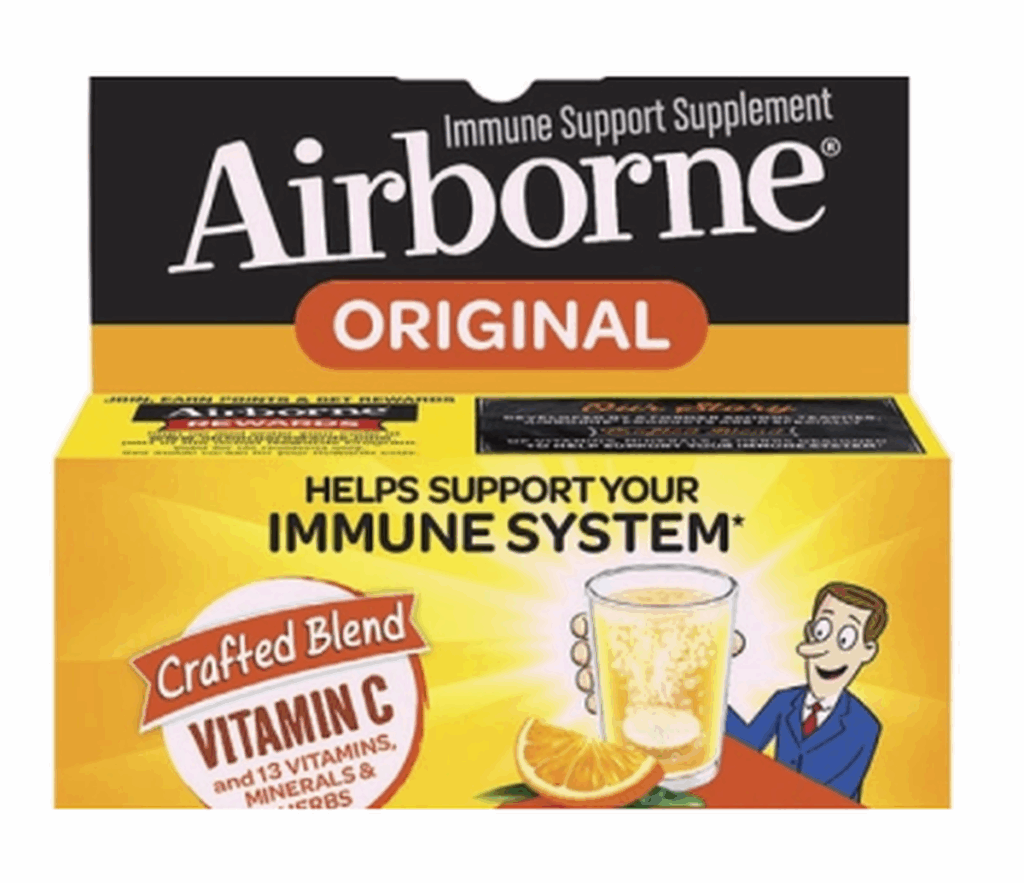
Airborne sold itself as a dietary supplement that could prevent colds and support immunity. The packaging and ads claimed it was “clinically proven,” but the so-called “study” behind the claim was funded by Airborne itself and lacked scientific credibility.
The company agreed to pay over $23 million to settle deceptive advertising charges brought by the FTC and several state attorneys general. The settlement required Airborne to stop using unproven medical claims and to change its labeling.
What We Can Learn
If you make scientific claims, your studies must be independent, peer-reviewed, and replicable. Sponsored or biased data can’t stand up to scrutiny.
Skechers Shape-Ups Shoes’ Unrealistic Fitness Benefits
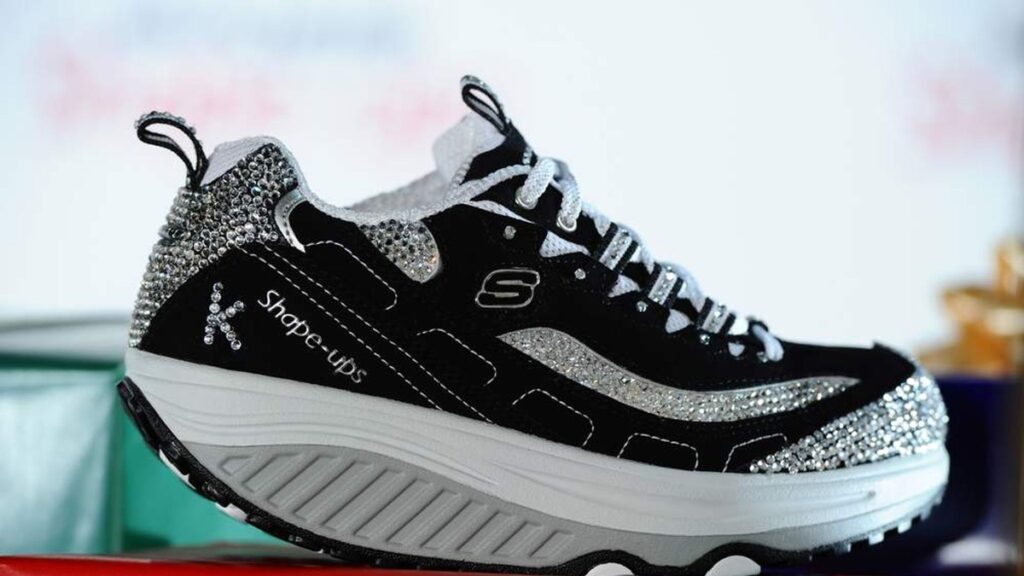
Skechers launched its “Shape-Ups” shoes, promising users could “get in shape without setting foot in a gym.” Ads featured celebrity endorsements and testimonials claiming improved fitness and weight loss.
However, the Federal Trade Commission found no scientific evidence to back those claims. Skechers paid $40 million in consumer refunds and agreed to stop making unverified fitness claims. The case became one of the FTC’s most publicized misleading advertising crackdowns.
What We Can Learn
Customer testimonials aren’t proof. Health or fitness benefits need measurable data, not celebrity endorsements or personal stories.
FAQs
Why do brands risk using misleading ads?
Many companies do it to stand out in competitive markets. But the short-term gain rarely outweighs long-term damage.
What’s the biggest misleading advertising case ever?
Volkswagen’s emissions scandal is one of the largest, costing over $10 billion and damaging its global reputation.
Is it illegal to exaggerate in ads?
Yes, if the exaggeration can mislead customers. Regulators can fine brands even for “puffery” if it crosses into deception.
How can marketers avoid misleading advertising?
Use data, be transparent, and avoid vague or absolute claims. Test ads internally to catch misleading wording before launch.
How can people spot misleading or false advertising?
Watch for signs like exaggerated promises, vague phrases (“clinically proven,” “guaranteed results”), hidden fees, or fine-print conditions. If something sounds too perfect, check customer testimonials or third-party sources before believing it.
Which industries see the most false advertising cases?
False or misleading ads are most common in health and wellness, automotive, beauty, food, and fashion sectors. These industries often use emotional appeals or scientific claims that can be easily stretched or misinterpreted.