AI is no longer a futuristic buzzword in marketing. It’s the driving force behind smarter advertising campaigns, faster insights, and more personalized experiences. Don’t stay behind! Understanding how AI fits into your ad strategy can help you compete with big brands efficiently and creatively. Learn more about artificial intelligence advertising to apply it strategically!
In This Article:
What Is AI Advertising?

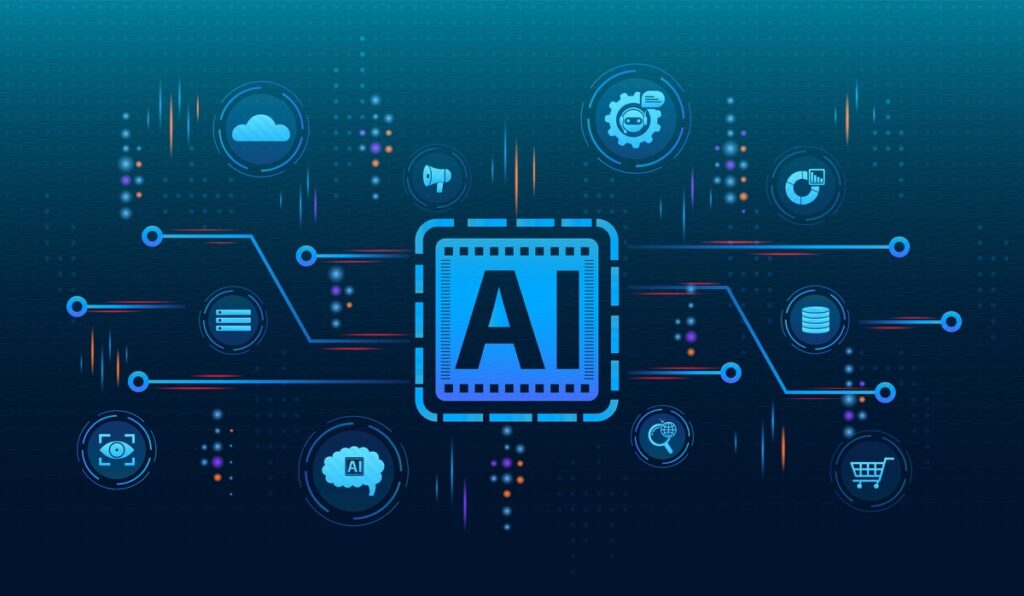
AI advertising means using artificial intelligence to plan, create, and manage ads automatically. Instead of relying only on human input, AI studies large amounts of data such as customer behavior, online searches, or purchase history to decide who sees what ad, when, and where.
For example, AI can figure out which type of people click on your ads most often, test several ad versions at once, and instantly adjust your campaign to get better results.
Over the past few years, this technology has completely changed digital marketing. More than 60% of ad agencies already use AI tools to improve performance, and many brands report double-digit increases in engagement and ROI.
What used to take days of analysis and planning now happens in real time. This allows marketers to focus more on creativity and strategy while AI handles the heavy lifting.
Why Use AI-Powered Advertising?
The integration of AI has streamlined digital advertising campaigns every step of the way:
- Better targeting: AI can analyze massive amounts of data to find your ideal customers. It ensures your ads reach people who are most likely to care about your product.
- Personalization at scale: With AI, every customer can see a version of your ad that feels tailor-made. This builds trust and increases engagement.
- Smarter budgeting: Predictive analytics help allocate budgets based on real performance, not guesswork. That means less waste and higher ROI.
- Faster decision-making: Automation allows marketers to adjust campaigns in real time, making ads more responsive to changing trends.
- Creative efficiency: AI tools generate headlines, visuals, and even entire video concepts in seconds, freeing up time for strategy and storytelling.
What Are The Drawbacks Of AI Advertising?
Benefits aside, using AI in advertising can pose some challenges:
- Loss of human touch: AI can create ads quickly, but sometimes it misses emotional nuance. Campaigns risk feeling too mechanical or impersonal.
Data privacy concerns: As AI systems collect more personal information, marketers must handle data responsibly to maintain consumer trust. - High implementation costs: While AI tools can save money long-term, small businesses may find setup and training expenses challenging at first.
- Dependence on algorithms: Over-reliance on automation can limit creativity and make brands vulnerable if AI tools fail or produce inaccurate insights.
How Is AI Used In Advertising? 7 Smart Ideas

Dynamic Pricing
AI adjusts product prices automatically based on real-time market conditions, customer demand, and competitor activity. For example, if interest in a product suddenly rises, the algorithm can raise prices slightly to boost profit.
When demand slows, it lowers prices to stay competitive. This helps brands react faster to market changes and maintain healthy margins without manual updates. Dynamic pricing is especially useful for e-commerce, travel, and retail industries, where prices can shift daily or even hourly.
Real-Time Bidding
AI powers the behind-the-scenes auction system that decides which ads appear on web pages or apps. When someone loads a site, AI evaluates millions of data points, such as location, device, interests, in milliseconds to decide if your ad should appear.
This process, known as programmatic advertising, ensures your message reaches the right person at the right time and for the best price. Real-time bidding makes advertising more efficient and eliminates guesswork, improving both targeting precision and return on investment.
Ad Delivery Optimization
AI constantly analyzes how well each ad performs and automatically reallocates budget toward the most effective versions. For instance, if one ad design earns more clicks than others, AI will show it more often. It can even adjust elements like color, copy, and placement to fit audience preferences.
This continuous optimization means your ads perform better over time, reducing waste and ensuring every dollar is spent wisely. For marketers, it’s like having a full-time campaign manager working 24/7.
Dynamic Content Creation
AI can generate creative assets such as images, text, and even short videos in seconds. With generative tools, marketers can design multiple ad versions that match different audience groups or platforms.
For example, one visual might appeal more to younger audiences on Instagram, while another might fit better for professionals on LinkedIn.
This flexibility helps campaigns stay fresh and relevant, while saving teams countless hours of manual design work. AI’s creative power allows even small businesses to compete with big-budget brands.
Targeting And Segmentation
AI identifies and groups audiences based on shared interests, behaviors, and demographics, even patterns that human marketers might overlook. It can find micro-segments, such as “eco-conscious travelers who prefer local brands,” helping you deliver more precise messages.
By targeting the right audience, you increase engagement and lower advertising costs. This intelligent segmentation ensures your ads feel personal and relevant, improving customer satisfaction and loyalty.
Predictive Customer Segmentation
Beyond finding audiences, AI predicts what customers will do next. It can forecast who’s likely to make a purchase, cancel a subscription, or respond to a discount. Marketers use these insights to take proactive steps, like sending a special offer before a customer loses interest.
Predictive segmentation turns data into action, allowing businesses to anticipate needs instead of just reacting. This future-focused approach makes marketing smarter, faster, and more strategic.
Voice Search Optimization
With voice assistants like Alexa and Google Assistant growing rapidly, AI helps optimize ads for natural spoken language. Instead of short keywords, voice queries are longer and more conversational. For example, “What’s the best budget laptop for students?”
Marketers can use AI tools to analyze how people speak and then tailor ad copy and content to match. Voice search optimization ensures brands remain discoverable in an increasingly voice-driven world, opening up a new path to reach audiences.
Examples Of AI In Advertising And Marketing
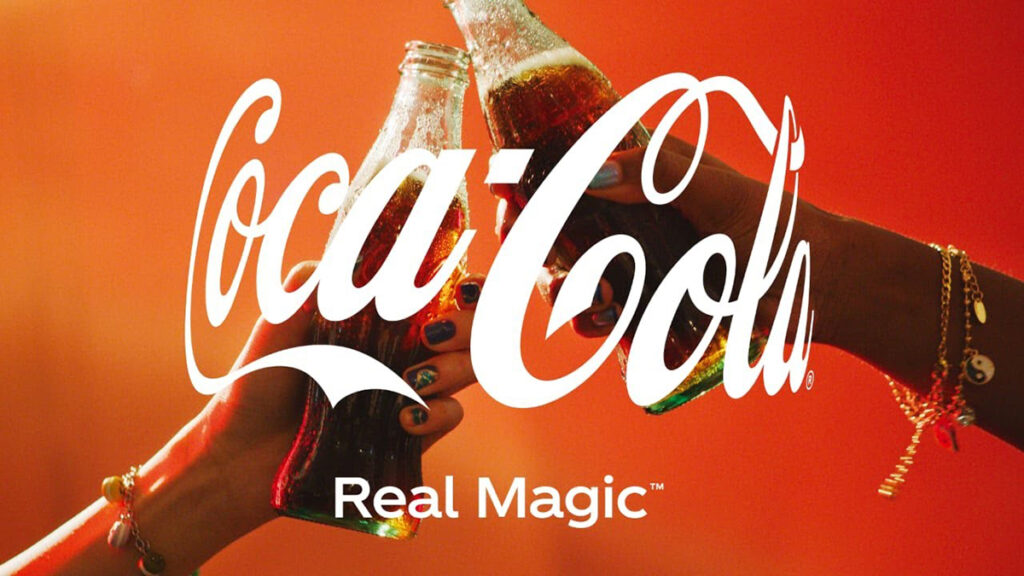
Coca-Cola’s AI-Powered Global Art Challenge
Coca-Cola invited creators worldwide to use AI tools like DALL-E and ChatGPT to design digital art inspired by its iconic brand. The “Create Real Magic” campaign turned fan submissions into vibrant, AI-generated artworks displayed on billboards across major cities.
This not only showcased how AI can co-create with consumers but also strengthened emotional ties between Coca-Cola and younger audiences. The result: millions of social impressions and a surge in engagement, proving AI-driven collaboration can refresh even the most classic brand.
Nike’s AI Ad Featuring Serena Williams
Nike’s “Never Done Evolving” campaign used AI to create an extraordinary tennis match between Serena Williams in 1999 and Serena in 2017. Using years of match data, motion tracking, and performance analytics, AI simulated their gameplay, capturing how her technique and power evolved over time.
The result was a visually stunning video that celebrated growth, resilience, and innovation. The campaign achieved millions of views globally and reinforced Nike’s message that athletes, like technology, are never done evolving.

Farfetch’s Personalized Email Campaign
Luxury fashion retailer Farfetch implemented AI-powered email marketing that personalized subject lines, product recommendations, and send times for each user. The system analyzed purchase history, browsing behavior, and engagement data to tailor every message to the recipient’s taste.
The result? A 7% increase in open rates and a 13% boost in click-throughs. Beyond numbers, the campaign showed how personalization powered by AI can transform traditional email marketing into a meaningful and results-driven experience.

How To Use AI In Advertising Effectively?
Start With Clear Goals
Before using AI tools, define exactly what success looks like, whether that’s increasing sales, improving click-through rates, or cutting ad costs. Clear objectives guide your AI systems to focus on the right metrics and prevent wasted effort.
Combine AI With Human Creativity
AI is brilliant at analyzing data, but storytelling and emotional appeal come from people. The best results happen when marketers use AI to handle data and logistics, leaving humans free to create engaging narratives that build brand love.
Test And Learn Constantly
AI improves as it learns. Keep experimenting with ad copy, visuals, and audiences. Every campaign adds more data, helping the system get smarter and your ads get stronger. Treat AI as an evolving partner, not a one-time solution.
Stay Transparent And Ethical
Be open about how you collect and use customer data. Always respect privacy laws and offer clear opt-ins. Ethical AI use builds long-term trust and prevents reputational risk, especially in an age where consumers value transparency.
Keep Learning And Adapting
AI in advertising is changing fast. Stay updated through webinars, tutorials, and industry news. The more you understand the tools, the more effectively you can use them to grow your brand.
FAQs
How can I measure AI campaign success?
Track key metrics like click-through rates, conversion rates, and customer engagement. AI dashboards can display these in real time.
Is AI safe to use in marketing?
Yes, as long as you follow privacy laws, get user consent, and remain transparent about how you use customer data.
What’s the future of AI in digital advertising?
Expect more personalization, smarter predictive analytics, and seamless integration across channels, making marketing faster and more effective than ever.
What ethical issues should I consider when using AI in advertising?
When using AI, it’s important to think about fairness, transparency, and respect for privacy. Avoid misleading content, biased targeting, or excessive data collection. Ethical advertising strengthens long-term customer relationships.