Integrated Marketing Communication (IMC) is more than a buzzword. It’s a marketing strategy that turns scattered marketing efforts into a unified brand story. By coordinating advertising, PR, digital, and in-person interactions, IMC helps brands deliver a seamless customer experience. Let’s learn how to build an effective IMC strategy!
In This Article:
What Is Integrated Marketing Communications?
Integrated marketing communications is a strategic approach that unifies all forms of marketing and communication, from advertising and PR to digital and social media, into a cohesive, customer-centric experience. Instead of treating each channel separately, IMC ensures that every message, whether it’s a paid ad, a social post, an email, or a press release, works together to reinforce the same brand story.
The aim is to provide consistency across the customer journey, making sure that no matter where or how someone encounters the brand, they experience the same core identity, values, and narrative. This alignment not only strengthens brand recognition but also builds trust by reducing fragmented or conflicting messages.
The Importance Of Integrated Marketing Communication
The benefits of IMC extend well beyond creating polished campaigns. At its core, IMC helps businesses:
- Build brand awareness and trust: When customers encounter consistent messages across multiple touchpoints, they begin to associate those messages with a reliable and recognizable brand identity. This alignment reinforces credibility and helps businesses stand out in crowded markets.
- Enhance customer engagement: By weaving storytelling and messaging seamlessly across platforms, IMC creates a sense of familiarity that draws customers in. This continuity not only sparks attention but also nurtures emotional connections that drive deeper engagement.
- Improve marketing efficiency and ROI: Coordinated campaigns reduce wasted resources by ensuring that marketing teams aren’t duplicating efforts across departments or communication tools. A unified approach means messages work together, amplifying their impact and delivering stronger returns on investment.
- Foster long-term customer loyalty: Customers are more likely to stay loyal when they experience a brand that feels consistent, trustworthy, and responsive to their needs. IMC nurtures these relationships by ensuring every interaction reinforces the same positive brand values.
- Support organizational alignment: Effective IMC requires collaboration between marketing, sales, PR, and customer service, creating a culture of shared goals. This internal alignment ensures that all external messages reflect the same strategic vision, strengthening overall brand equity.
Components Of IMC Strategy Marketing
A strong IMC strategy relies on the integration of several core components. Each one contributes uniquely to building a cohesive and consistent brand message across all customer touchpoints.
Advertising
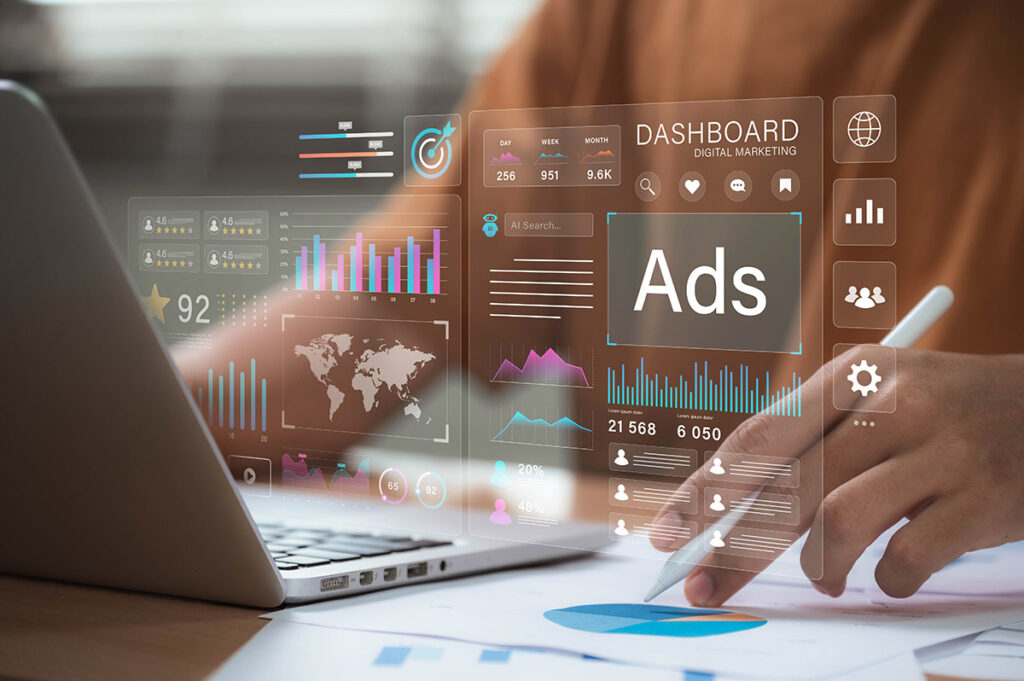
Advertising is the most visible IMC component, covering channels such as TV, radio, print, outdoor media, and digital ads. Its role is to reach broad audiences, create awareness, and establish strong brand recall through repeated exposure.
Sales Promotion
Sales promotions include short-term incentives such as discounts, coupons, contests, and loyalty programs. These tactics drive immediate engagement or purchases while reinforcing the broader brand message delivered through other integrated marketing channels.
Public Relations (PR)
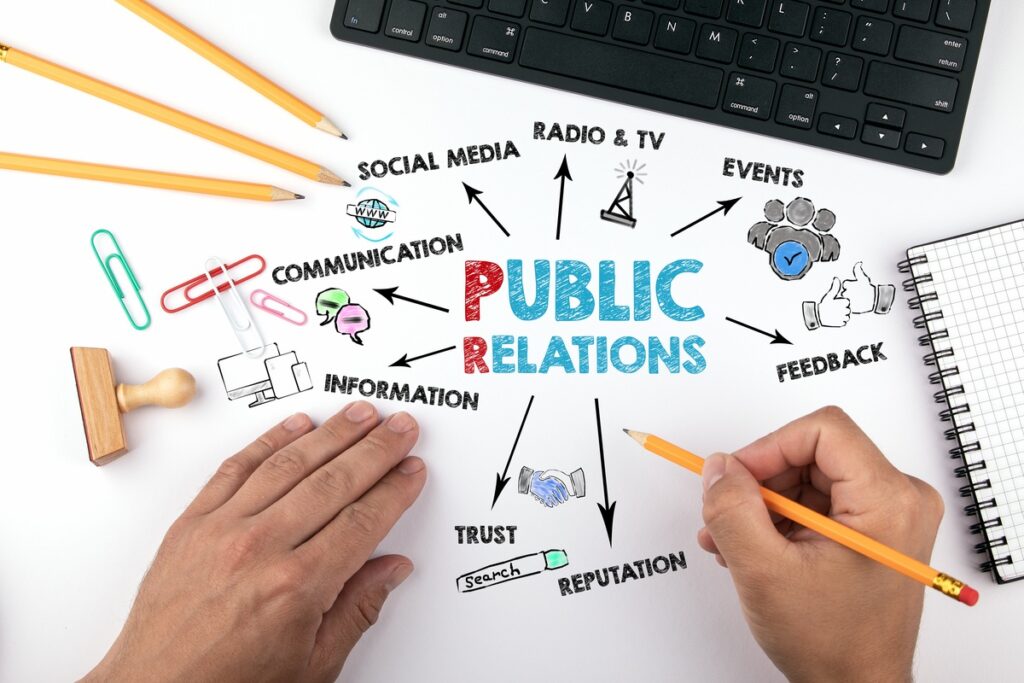
PR focuses on building and maintaining a positive brand reputation through press releases, media relations, sponsorships, and community engagement. Unlike paid advertising, PR leverages credibility by earning media attention and fostering trust.
Direct Marketing
Direct marketing uses personalized communication such as email, SMS, catalogs, and targeted mail. It leverages customer data to send tailored messages that encourage direct responses, often bridging the gap between interest and purchase.
Personal Selling
This involves face-to-face or one-to-one communication, such as sales representatives, consultants, or account managers. Personal selling builds relationships, provides customized solutions, and helps close deals by directly addressing customer needs.
Digital And Social Media Channels
Digital marketing channels like websites, social platforms, search engines, and apps are essential for modern IMC. They enable real-time interaction, user-generated content, and storytelling that can be shared and amplified by communities.
Sponsorships And Events
Brand activations, trade shows, product launches, and event sponsorships give customers direct experiences with the brand. These engagements deepen emotional connections and often generate additional earned and shared media coverage.
How To Develop IMC Strategies
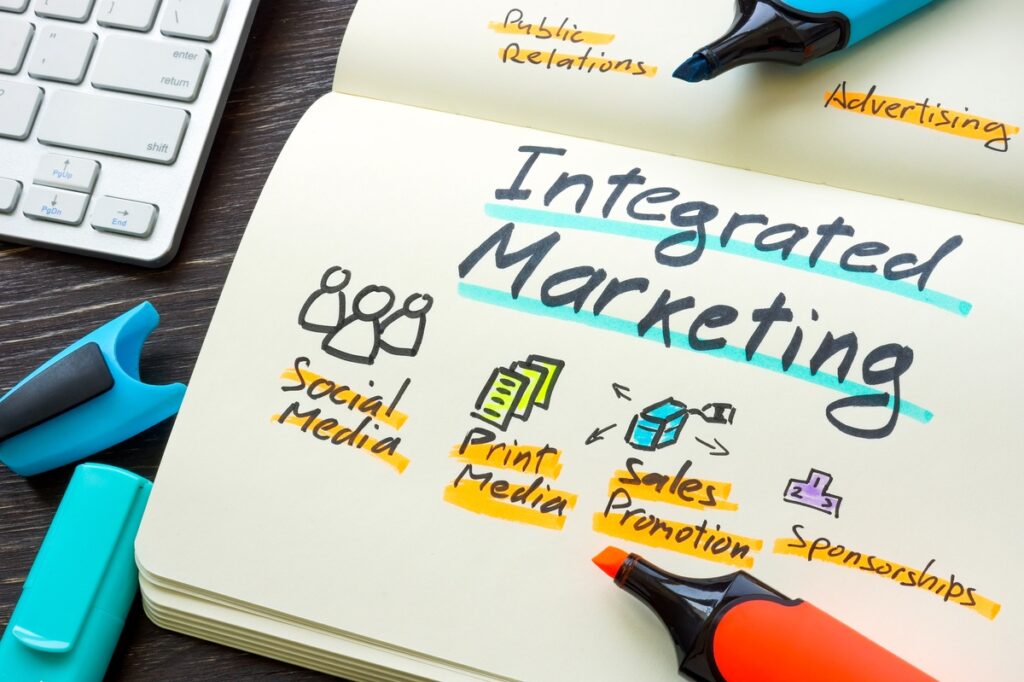
Step 1: Define Business And Marketing Objectives
Every IMC strategy begins with clarity on what the brand is trying to achieve, such as increasing awareness, boosting sales, improving retention, or strengthening brand equity. Objectives should be specific, measurable, and aligned with overall business goals.
Step 2: Understand The Target Audience
A deep understanding of customer segments is essential for personalization. Using data insights, businesses can identify customer needs, behaviors, and preferences to craft relevant messages delivered through the right channels.
Step 3: Craft A Unified Brand Message
The core message should reflect the brand’s identity and value proposition. It must be consistent across all touchpoints while being adaptable enough to resonate with different audience segments.
Step 4: Select And Integrate Communication Channels
Brands must choose the right mix of advertising, PR, promotions, digital, and social channels. The goal is to integrate them so the customer experiences a seamless journey, regardless of where they engage with the brand.
Step 5: Coordinate Across Teams And Functions
Successful IMC requires collaboration between marketing, sales, PR, digital, and customer service teams. Internal alignment ensures that every department reinforces the consistent messaging and supports the campaign’s objectives.
Step 6: Implement The Strategy Cohesively
Execution is where the marketing strategy comes to life. To be effective, brands should:
- Maintain consistency in visuals, tone, and brand identity across all touchpoints.
- Use personalized communication by leveraging customer data (e.g., email subject lines, product recommendations, dynamic website content) to make interactions feel relevant and engaging.
- Maximize social media by adapting the message format to fit each platform while keeping the overall theme consistent (short videos for TikTok, thought leadership posts on LinkedIn, visuals on Instagram).
- Encourage participation with interactive campaigns like polls, challenges, or user-generated content that tie back to the central brand story.
- Integrate offline and online efforts, such as aligning in-store promotions with digital ads, to ensure a seamless customer journey.
Step 7: Measure, Analyze, And Refine
No IMC strategy is complete without measurement. Tracking effectiveness ensures that campaigns deliver the intended impact and provides insights for optimization. Key approaches include:
Core KPIs:
- Reach & impressions: How many people saw the campaign?
- Engagement metrics: Likes, comments, shares, clicks, and time spent with content.
- Conversion rates: Percentage of people who took the desired action (sign-ups, purchases, downloads).
- Customer retention & brand loyalty: Repeat purchase rates, subscription renewals, or loyalty program participation.
- Brand awareness & sentiment: Surveys, social listening, and share of voice in media.
Also, use tools like Google Analytics, CRM data, and customer data platforms (CDPs) to understand which channels contributed most to conversions.
Compare campaign spend with revenue generated to evaluate ROI and financial success. Monitor customer reviews, comments, and direct feedback to gauge perception beyond numbers.
Compare results against industry benchmarks and refine messaging, targeting, or channels for continuous improvement.
Best Practices For Integrated Marketing Communication
Think About Channel Transition
Customers often move between platforms, like seeing a social post, then visiting a website, and later encountering an email. Ensuring a smooth transition with consistent branding and messaging across these touchpoints reinforces trust and reduces friction.
Leverage Personalization Where Possible
Using customer data for tailored messages, such as customized email subject lines, product recommendations, or retargeted ads, makes communication feel more relevant. Personalization increases engagement and helps strengthen long-term relationships.
Maintain Visual And Tonal Consistency
Logos, colors, typefaces, and tone of voice should remain consistent across campaigns. This coherence builds recognition and helps customers instantly associate content with the brand, regardless of the channel.
Encourage Audience Participation
Interactive tactics like polls, user-generated content challenges, or contests invite customers to become part of the brand story. This not only boosts engagement but also generates earned media through organic sharing.
Balance Online And Offline Efforts
Strong IMC strategies integrate digital campaigns with real-world experiences, such as pairing outdoor ads with QR codes that link to digital content. This blending enhances reach and ensures a seamless customer journey.
Case Studies: Successful Integrated Marketing Campaigns
Share a Coke – Coca-Cola
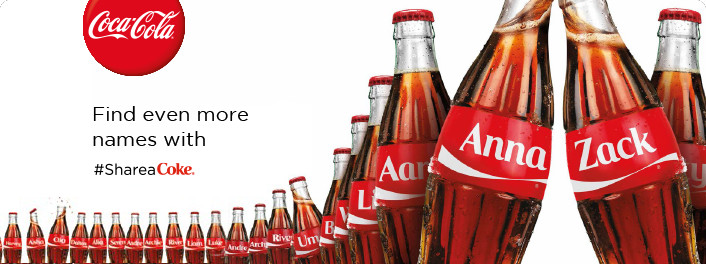
Coca-Cola’s “Share a Coke” marketing campaign is a prime example. Instead of using its logo, the brand prints popular first names on their bottles. This intrigues and encourages customers to share cokes with the friend with that exact same name, giving them a sense of belonging and being treasured.
The campaign ran across TV, print, outdoor, and digital platforms, supported by social media hashtags that fueled user-generated content. This personalized approach boosted both engagement and sales, with Coca-Cola reporting a measurable uplift in consumption among young adults.
You’re Not You When You’re Hungry – Snickers
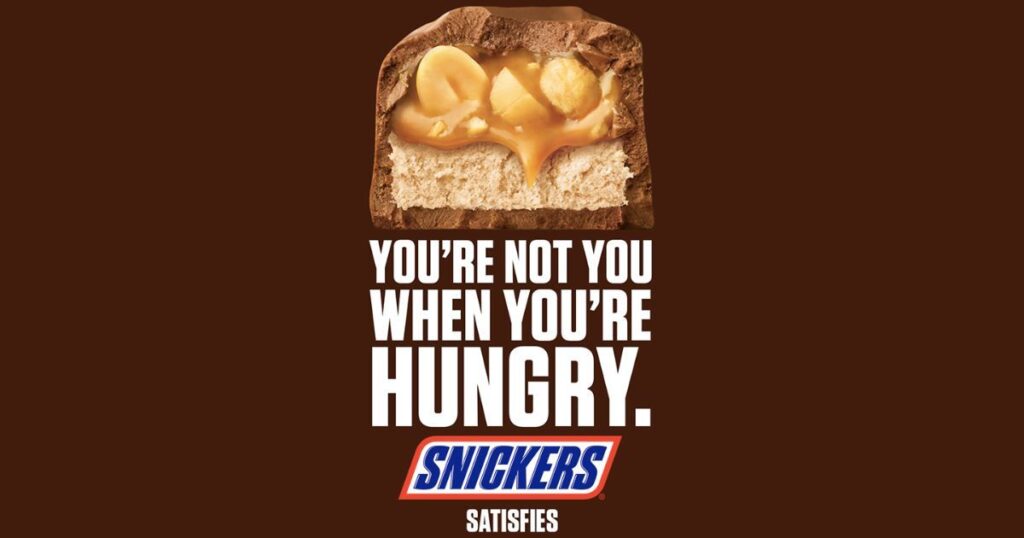
Snickers’ campaign humorously showed celebrities acting out of character until they ate a Snickers bar, highlighting its core message. The campaign spanned TV commercials, print, and social media while also integrating sponsorships and live activations.
Its consistent and entertaining message resonated globally, helping Snickers increase market share and become one of the most recognized candy brands worldwide.
Smell Like a Man – Old Spice

Old Spice revitalized its brand with the “Smell Like a Man, Man” campaign, featuring witty, fast-paced commercials starring Isaiah Mustafa. The campaign extended beyond TV into digital, YouTube, and social media, where Old Spice responded directly to fans’ comments with personalized video replies.
This innovative integration created massive buzz, significantly boosted sales, and repositioned Old Spice as a modern, relevant brand for younger audiences.