The most effective auto dealership marketing strategies prioritize personalization, video storytelling, and omnichannel engagement. Tactics such as retargeting website visitors with dynamic ads, automating lead follow-ups through CRM integrations, and incentivizing referrals help maximize existing interest and increase ROI.
More strategies will be unlocked below; scroll down to see!
In This Article:
Top 10 Automotive Marketing Strategies To Boost Sales
1. Leverage Customer Reviews to Build Trust
One of the most powerful tools in any automotive digital marketing strategy is customer reviews. According to Think with Google, 95% of vehicle buyers use digital sources to gather information, and reading reviews is one of the first steps in this journey.
Trust is a decisive factor, particularly when customers are making high-cost purchases like vehicles. Positive reviews on Google, Yelp, and social platforms not only boost SEO but also serve as critical social proof that builds confidence in your dealership. To maximize results, integrate customer success stories, video testimonials, and review widgets into your website and ad campaigns.
After every transaction or service, prompt satisfied clients to share their experiences online. This proactive approach reinforces your reputation and sets your dealership apart from competitors in the automotive industry. Including user-generated content in your strategic marketing mix can also enhance engagement and foster brand loyalty.
2. Master Search Engine Marketing for Maximum Visibility
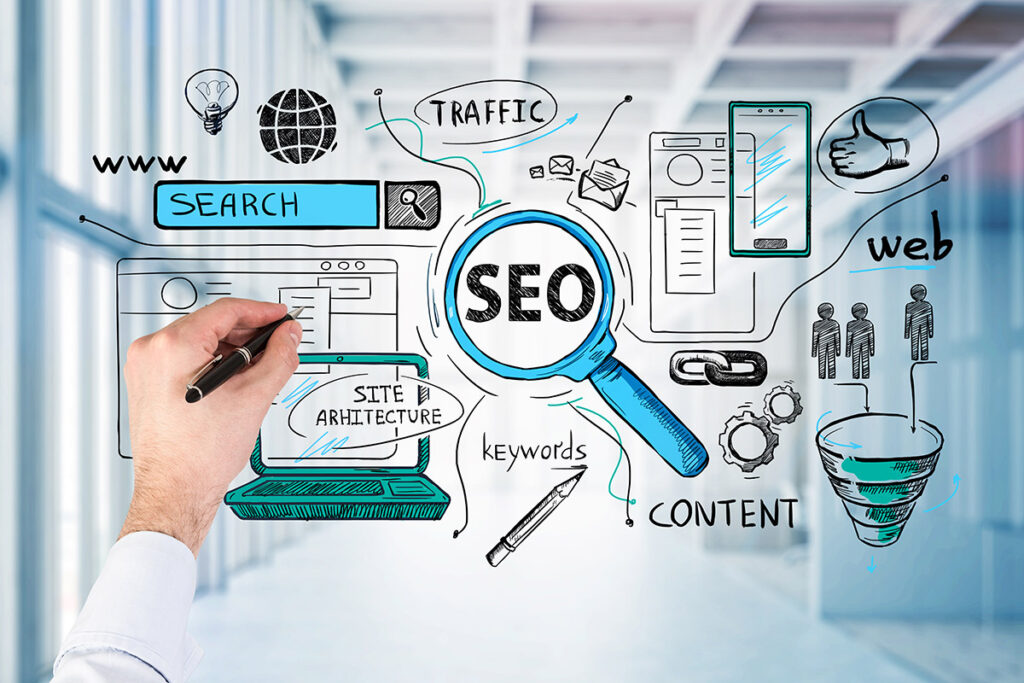
Being visible on Google is essential, with 86% of vehicle shoppers running an online search before making a purchase [Digital Dealer]. Ranking at the top of search engine results is one of the most effective automotive advertising ideas. Utilize tightly grouped ad campaigns with carefully selected keywords, compelling ad copy, and comprehensive negative keyword lists to minimize wasted ad spend.
Incorporate ad extensions, such as click-to-call and location pins, to increase visibility and drive interaction. Don’t overlook Bing Ads, which attract an older and often more affluent demographic. Complement paid search with organic SEO efforts using blog content, local listings, and review optimization.
Automotive marketing in the digital age means owning your visibility online because if you’re not at the top of the SERP, you’re essentially invisible to high-intent buyers.
3. Retarget and Remarketing to Bring Back Interested Shoppers
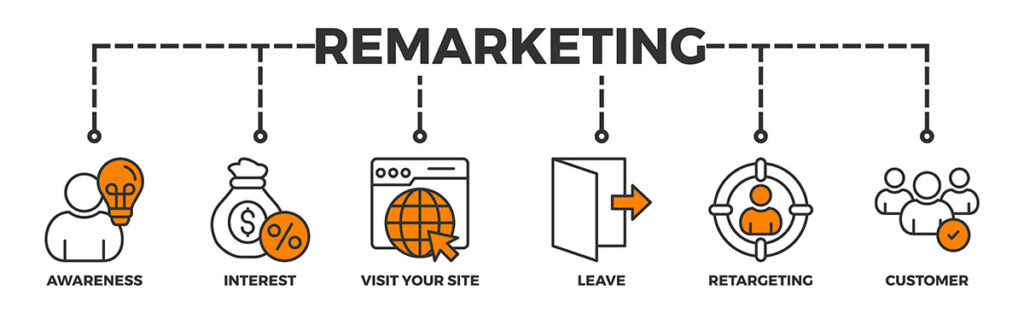
The path to purchase is rarely linear in the automotive space. With consumers visiting an average of 4.2 websites during their car research [Invoca], remarketing is key to keeping your brand top-of-mind. Use dynamic display ads on Google and Facebook to show users the exact vehicles or services they previously viewed. This automotive dealer marketing technique helps reduce lead attrition and boosts conversion rates.
According to Invoca, 84% of marketers report that calls from remarketed leads yield higher average order values. Leveraging tools like Meta’s custom audiences or Google’s retargeting features allows you to deliver timely, relevant messages that draw leads back into the sales funnel, often with a higher likelihood of conversion than cold prospects.
4. Automate Lead Nurturing and CRM Syncing
Automation isn’t just a convenience; it’s a necessity in today’s competitive automotive environment. Nearly 37% of leads are lost due to poor follow-up or failure to enter data into a CRM, as per Invoca. That’s why an effective automotive digital marketing strategy must include lead nurturing automation.
Platforms like LeadsBridge sync incoming leads from Facebook or Google directly into CRMs, such as VinSolutions, ensuring no opportunity is lost. You can set automated actions based on triggers like ad clicks, form submissions, or showroom bookings and follow up with personalized email or SMS sequences.
This method not only saves time but also maintains consistent communication throughout the customer journey, improving conversion rates and customer retention.
5. Personalize the Caller Experience with AI and Call Tracking
Inbound calls remain one of the highest-converting touchpoints in automotive marketing, with 30% faster conversions compared to web leads, according to Forrester. Marketing strategies for car dealerships should include call tracking and conversation intelligence to improve outcomes. By understanding who’s calling, what they want, and how agents respond, dealerships can refine their processes, coach their teams, and convert more leads.
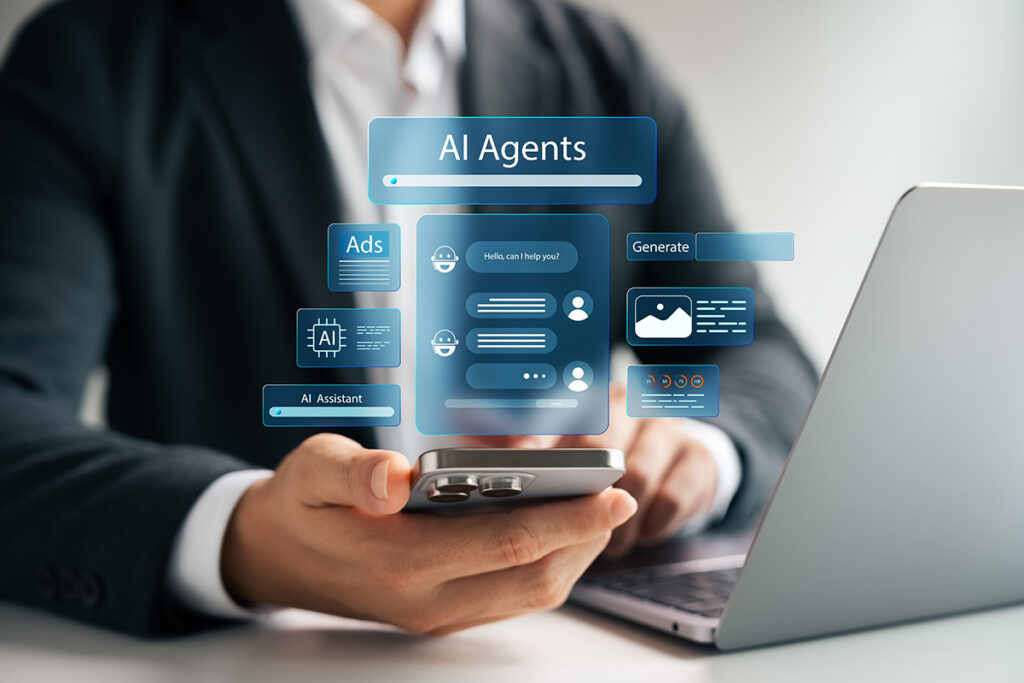
AI-powered tools can route callers based on intent, schedule follow-ups for missed calls, and even segment leads for future campaigns. This deep personalization ensures that each interaction feels tailored and informed, which is critical in an era when 54% of customers say they’re willing to pay more for a better buying experience.
6. Run Multi-Channel Campaigns with Unified Messaging
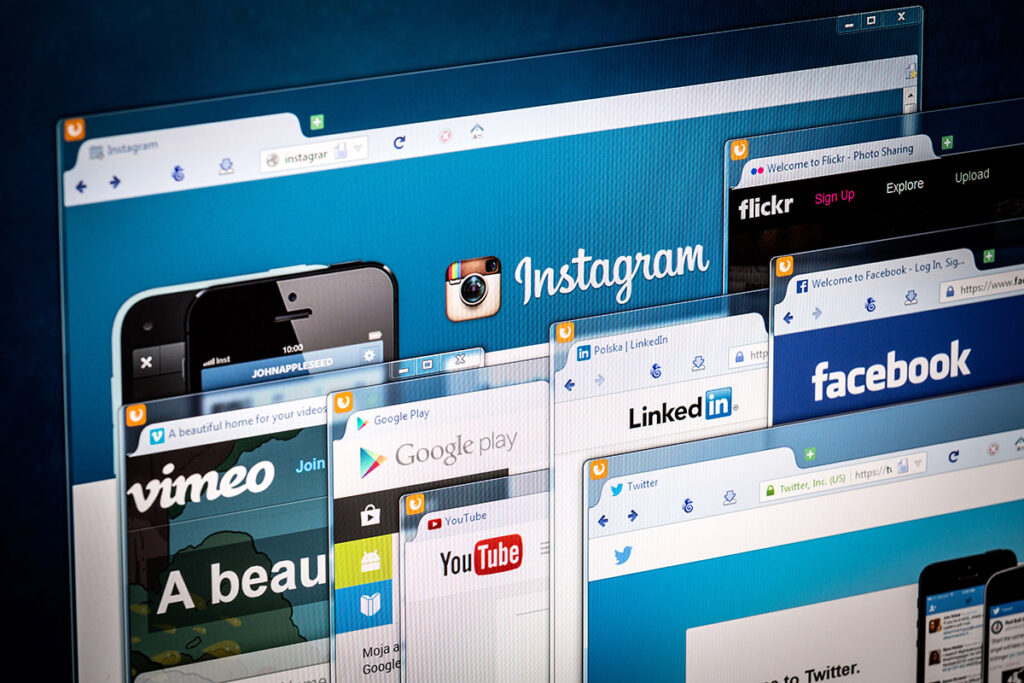
Modern vehicle shoppers don’t engage with just one platform. They interact across various channels, including search, social media, email, and even offline forms. An effective car marketing approach must deploy a multi-channel strategy to maintain brand consistency and reinforce trust. Use QR codes on physical brochures to drive traffic online and retarget those visitors with display ads or follow-up emails.
Ensure your branding, offers, and messaging are synchronized across all platforms, from Facebook ads to dealership signage. This unified approach builds credibility and increases the chance that a buyer will convert at one of several touchpoints. Social platforms like Instagram and TikTok are especially effective for high-engagement content like car walkarounds and customer testimonials.
7. Incentivize Referrals and Word-of-Mouth Leads
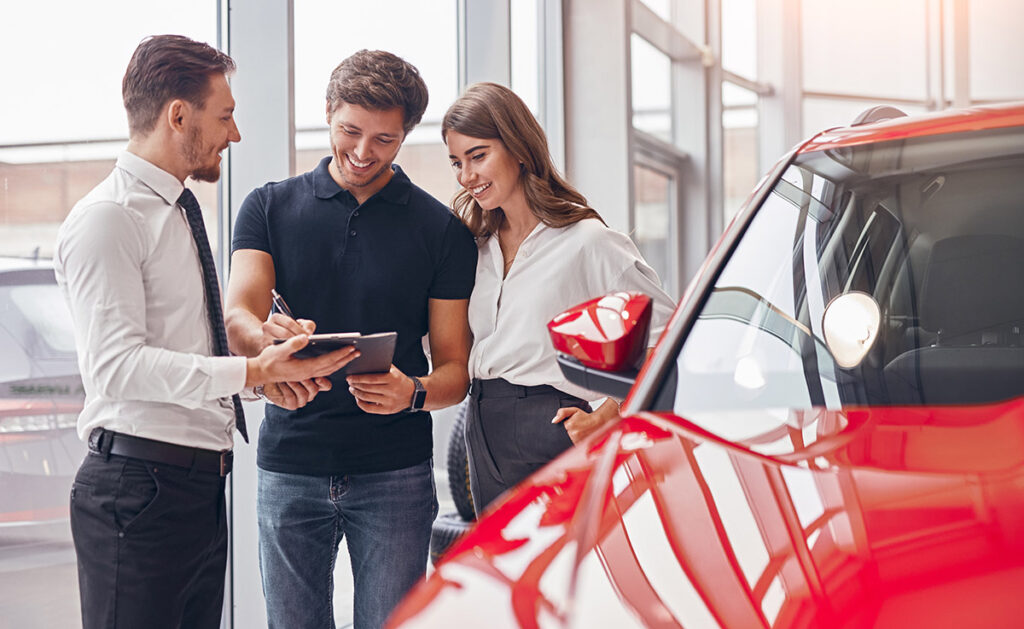
Referral marketing remains a cost-effective and high-trust channel, particularly for big-ticket purchases like cars. Encourage satisfied customers to refer friends or family by offering cash incentives, service discounts, or small gifts. Referrals are more likely to convert, as they come with built-in trust, an advantage that cannot be easily replicated with cold leads.
This is especially effective in tight-knit communities or among niche audiences like college students or professionals. Marketing for car dealerships should formalize this into a branded referral program, complete with trackable links and shareable social media assets. Remember, one vocal advocate can be more powerful than a paid ad, especially when backed by an incentive.
8. Use Video Marketing to Influence Purchase Decisions
According to Porch Group Media, three out of four car buyers watch videos before visiting a dealership, and 40% discover vehicles they hadn’t considered through video. That makes video one of the most potent tools in your automotive digital marketing strategy. Create high-quality walkaround videos, customer stories, service explainers, and behind-the-scenes content.
Use platforms like YouTube and Facebook to distribute these videos widely and embed them on vehicle detail pages to boost on-site engagement. You can also experiment with live streams for events or Q&A sessions. Video builds an emotional connection, improves time-on-site, and pre-sells your value before the customer ever steps into your showroom.
9. Implement Mobile-Optimized Call Extensions and Forms
With 60% of auto shoppers willing to call directly from a mobile search ad [Google], mobile-first strategies are essential. Ensure that all of your lead capture forms and landing pages are responsive and fast-loading. Use click-to-call buttons prominently on ads, emails, and mobile pages to facilitate seamless communication.
Marketing strategies for car dealerships should incorporate Google’s call-only campaigns and call extensions to make it effortless for buyers to reach a salesperson. Combine this with time-sensitive incentives or booking features to turn interest into immediate action. Track call metrics and integrate them into your CRM for full funnel visibility and follow-up.
10. Align Budgets with Seasonal and Regional Buying Trends
Vehicle purchases spike during specific times, such as Memorial Day, Black Friday, or year-end clearance periods. Successful automotive advertising ideas revolve around timing and context. Analyze your dealership’s historical sales data to identify your peak and slow seasons. Adjust your advertising budgets and campaign focus accordingly.
If your region has snowier winters, promote AWD and service packages as seasonal hooks. If summers drive convertibles or road trips, highlight those angles in your content. Use ad scheduling tools to optimize bids during high-traffic hours or weekend peaks. In car marketing, it is the most effective when campaigns are designed with local seasonality and consumer behavior in mind.
5 Car Marketing Trends To Watch In 2025-2027
1. Virtual Showrooms and Augmented Reality Experiences
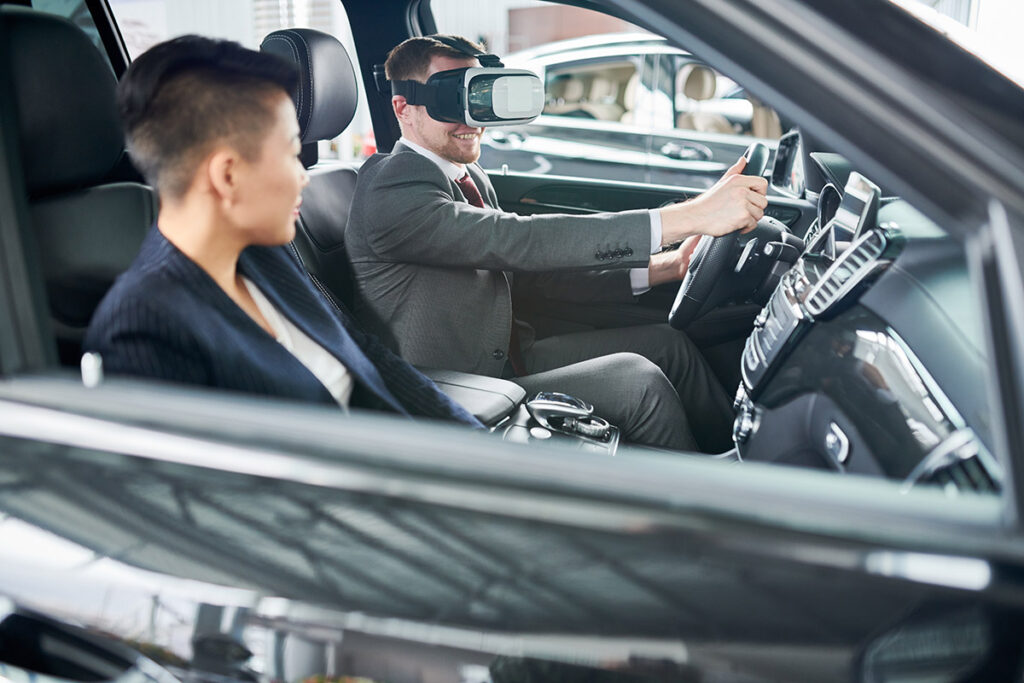
As digital-first car buying becomes the norm in the automotive industry, virtual showrooms and augmented reality (AR) tools are revolutionizing how customers engage with vehicles online. Buyers now expect to explore car interiors, customize features, and schedule test drives entirely through immersive digital platforms.
These tools not only enhance engagement but also shorten the sales cycle by offering a near-tangible product experience. With platforms like Carvana and CarGurus setting the standard, dealerships must adopt similar technologies to stay competitive. AR-enabled ads, 360° video tours, and 3D model configurators will become essential components of any modern automotive digital experience.
2. First-Party Data and Conversion APIs
As third-party cookies fade out, first-party data strategies are becoming increasingly crucial. Conversion APIs enable marketers to securely collect server-side user behavior data, allowing for more accurate audience segmentation and campaign targeting. Tools like KORTX’s Axon Audience Manager streamline this process, which is especially important in a privacy-sensitive environment.
This shift empowers brands to personalize campaigns at scale while maintaining compliance with data regulations. Marketers can now retarget users across platforms more effectively, utilizing robust, consent-based information that enhances ROI and generates higher-quality leads, all while fostering trust with increasingly privacy-conscious consumers.
3. EV-Focused Messaging and Consumer Education
Electric vehicle (EV) marketing must evolve from novelty to necessity. Consumers need clarity on charging logistics, battery longevity, tax incentives, and total cost of ownership. With U.S. EV sales jumping 21% year-over-year in 2024 [MarketWatch] and demand for affordable EVs on the rise, automotive marketers must bridge the knowledge gap.
Educational content, delivered through video explainers, interactive guides, and influencer partnerships, will play a vital role. Messaging should also emphasize sustainability and long-term savings to appeal to eco-conscious consumers. Successful EV marketing combines technical transparency with emotional storytelling that aligns with consumers’ values and practical needs.
4. Omnichannel Engagement and Cross-Device Targeting
Modern automotive shoppers use multiple devices and online platforms before making a decision. From third-party review sites and OEM websites to social media and connected TV, the buying journey spans many touchpoints. A unified omnichannel approach ensures consistent branding and messaging across all these interactions.
Cross-device targeting becomes especially vital, as 65% of e-commerce traffic now originates from mobile, according to The Drum. Marketers must use tools that recognize and re-engage users seamlessly across devices. Campaigns built around synchronized user experiences drive better engagement and conversion, meeting shoppers where they are, whenever and however they choose to interact.
5. Video Dominance and Influencer Collaborations
As mentioned, three out of four automotive shoppers say online video influences their buying decisions. Formats like 360° videos and emotionally driven storytelling can now substitute for physical test drives, especially among tech-savvy buyers. YouTube, TikTok, and Instagram are primary platforms for video-centric car marketing ideas that highlight lifestyle alignment and vehicle capabilities.
Influencer partnerships further boost credibility and reach, particularly in younger demographics. Authenticity remains key, so auto brands must pair with creators who genuinely understand the product and audience. Short-form video, combined with targeted ad placement, will be among the most impactful tools from 2025 to 2027.