Every successful business starts with one thing in common. It’s a clear plan for how to offer the right product, at the right price, in the right place, with the right message. That plan is called the marketing mix.
It’s like the recipe behind a brand’s success, helping new marketers and startups understand how to connect their products with customers’ needs and expectations. If you’re new to the elements of the marketing mix, keep scrolling to learn more!
In This Article:
What Is Marketing Mix?
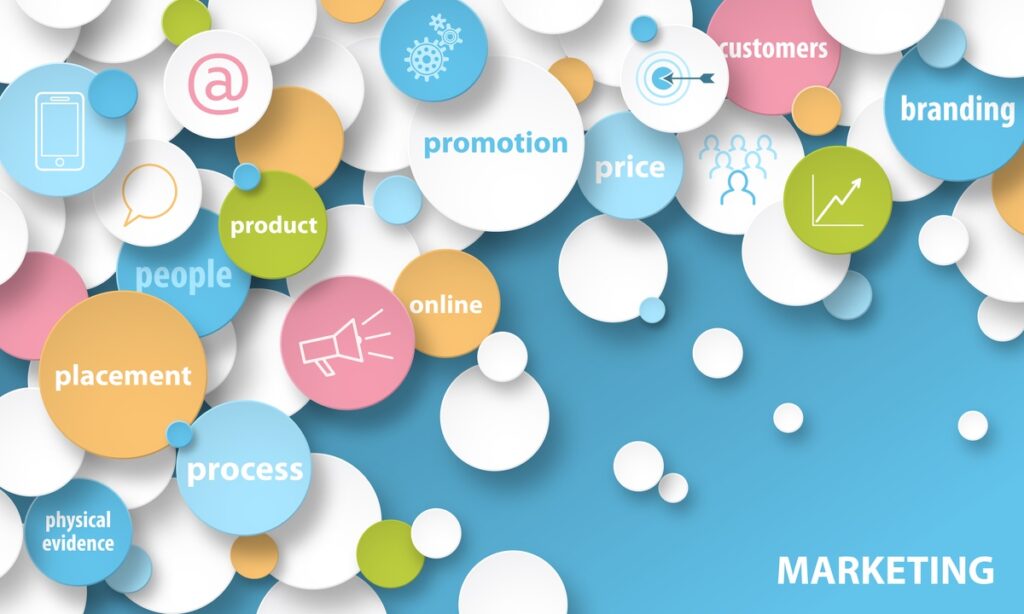
The marketing mix is a framework that helps businesses plan how to promote and deliver their products or services effectively. The idea first appeared in the 1960s, when marketing professor E. Jerome McCarthy introduced the concept of the 4 Ps, including Product, Price, Place, and Promotion.
Over time, marketers expanded it to 7 Ps, adding People, Process, and Physical Evidence. This mix acts as a guide to make sure every part of a business strategy works together to attract and satisfy customers.
How Does The Marketing Mix Help A Business?
The importance of the marketing mix is undeniable. By identifying these marketing elements, it can help your business:
- Create consistency: By aligning all marketing activities, from pricing strategies to promotion and other marketing campaigns, businesses can deliver a clear and consistent message to their audience.
- Improve customer focus: It encourages companies to study customer needs closely and design products, pricing, and experiences that truly meet those needs.
- Build competitive advantage: A well-balanced mix helps businesses stand out by offering something different or more valuable than competitors.
- Guide strategic decisions: The framework helps marketers make data-driven choices about where to invest time, money, and effort for the best results.
- Adapt to change: Regularly reviewing the mix allows businesses to stay flexible as market conditions and customer preferences evolve.
What Are The Marketing Mix Elements? The Core 4Ps of Marketing
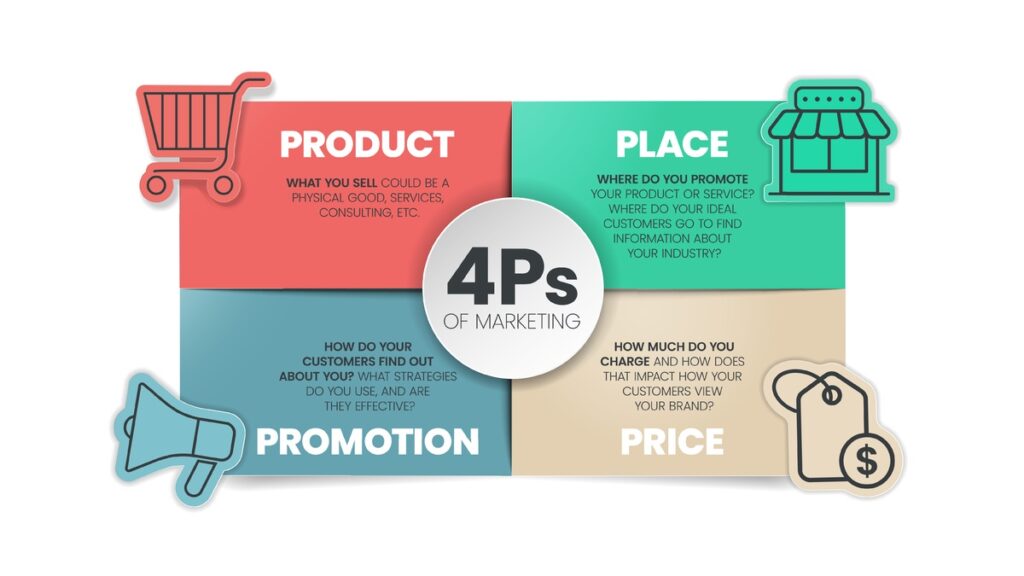
The marketing mix elements are the key factors a business controls to meet customer needs and achieve goals. They include the 4 Ps: Product, Price, Place, and Promotion, which work together to shape how a company creates value, attracts customers, and stands out in the market.
Product
The product is the center of your marketing mix. It’s what your business offers to solve customer problems or fulfill their desires. A great product begins with understanding what your audience truly needs.
It includes everything from design and features to packaging and quality. A strong product delivers real value, stands out from competitors, and builds trust through usefulness and satisfaction.
Price
Price represents the amount customers are willing to pay for your product or service. It shapes how people see your brand. A higher price can suggest premium quality, while lower pricing can attract more buyers but risk smaller profits.
Setting the right price means balancing costs, competitor pricing, and customer expectations to ensure value for both the business and the customer.
Place
Place is about where and how your product reaches customers. It covers everything from store locations and distribution partners to online platforms and delivery methods.
The goal is convenience, making it easy for customers to find and buy your product when and where they want. In today’s digital world, having a smooth online shopping experience is often just as important as a physical store.
Promotion
Promotion includes all the ways you communicate with your audience to raise awareness and encourage sales. It covers advertising, social media, public relations, sales promotions, and even word-of-mouth marketing.
Good promotion connects emotionally with customers by showing them how your product fits into their lives. The goal is about creating interest, trust, and motivation to take action.
4P’s vs 7P’s of Marketing: What Is The Difference?
The 4Ps of marketing, Product, Price, Place, and Promotion, were first designed for product-based companies, especially those selling physical goods. They focus on what a business offers and how it reaches its customers.
However, as service industries and digital platforms grew, marketers realized the need to capture the full customer experience. That’s where the 7 Ps came in, expanding the model to include People, Process, and Physical Evidence.
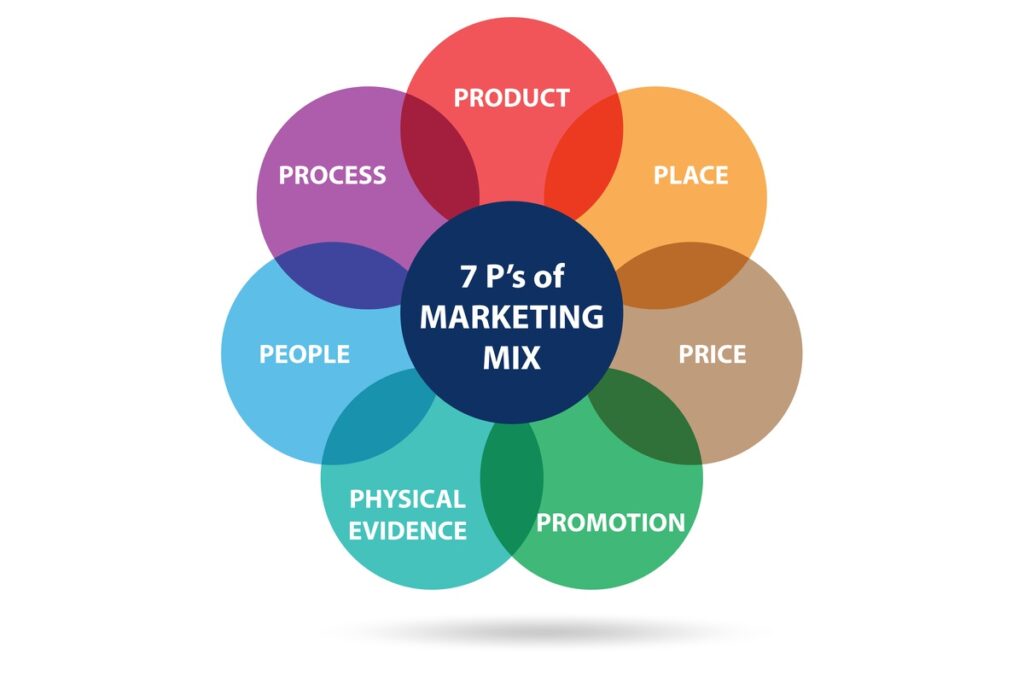
- People: This refers to everyone involved in delivering the customer experience, such as employees, sales teams, and even brand ambassadors. Friendly and well-trained people can turn a good product into a great experience.
- Process: These are the systems and methods used to deliver products or services efficiently. For example, smooth checkouts, clear communication, and fast delivery create trust and satisfaction.
- Physical Evidence: This includes any visible proof that builds confidence in your brand, including packaging, store layout, website design, or online reviews. It shows customers that your business is professional, credible, and worth their trust.
By utilizing this extended marketing mix, a business can manage not just what it sells, but how it makes customers feel throughout their journey, from discovery to purchase and beyond.
What Is A Marketing Mix Example?
Let’s imagine a startup called PureGlow, a small eco-friendly skincare brand focused on sustainable beauty. Here’s how its 7 Ps of marketing mix might look in practice:
- Product: PureGlow creates natural skincare products such as moisturizers and face masks made with organic ingredients. Every product is cruelty-free and designed to nourish the skin while protecting the planet.
- Price: The brand uses a premium pricing strategy, positioning itself as a high-quality, ethical choice. Although prices are slightly higher, customers are willing to pay more for authenticity and sustainability.
- Place: Products are sold online through PureGlow’s website and selected eco-stores. They also partner with boutique spas and health shops that share their values. This multichannel marketing strategy increases reach and accessibility.
- Promotion: The company promotes its brand mainly through social media storytelling, influencer partnerships, and content marketing. Educational posts about skincare and sustainability help build trust and brand authority.
- People: The team includes skincare specialists and customer support staff trained to give personalized advice. Their friendly approach turns first-time buyers into loyal advocates.
- Process: The business uses efficient fulfillment and return processes. Orders are shipped in recyclable packaging, and customers can track deliveries in real-time for a transparent shopping experience.
- Physical Evidence: The brand’s minimalist design, eco-conscious packaging, and glowing customer reviews all reinforce its identity as a sustainable, premium skincare company.
By managing each of these seven elements carefully, PureGlow can create a consistent, trustworthy, and meaningful brand experience that connects with modern consumers.
How To Implement The Marketing Mix Strategy Effectively?
Step 1. Research Your Target Market
Start by understanding who your customers are and what they truly want. Use surveys, interviews, and social media insights to learn about their preferences, habits, and pain points. This knowledge helps you design a product, price, and message that match real customer needs instead of assumptions.
Step 2. Define Clear Objectives
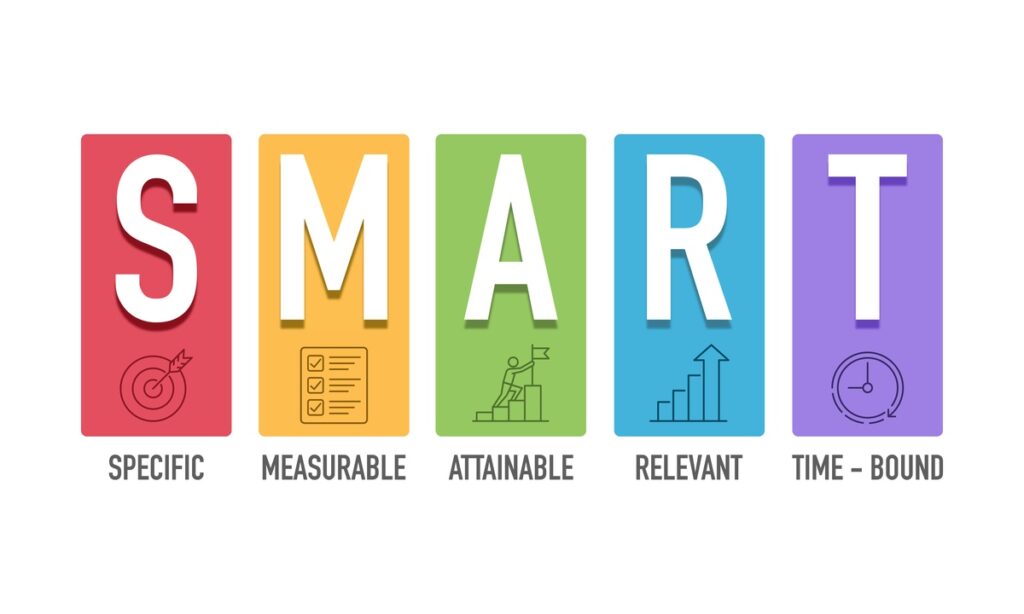
Set specific goals before planning your marketing mix. Whether you aim to increase sales, grow brand awareness, or enter a new market, having measurable objectives gives direction. Clear goals help you focus efforts, allocate resources wisely, and track whether your strategies are producing the desired results.
Step 3. Develop Each Element
Build your strategy around each of the marketing mix elements — Product, Price, Place, and Promotion. Make sure they complement one another.
For example, a premium product should align with higher pricing, targeted promotion, and quality distribution. The key is harmony; every decision should reinforce your brand’s positioning and customer promise.
Step 4. Test and Measure Results
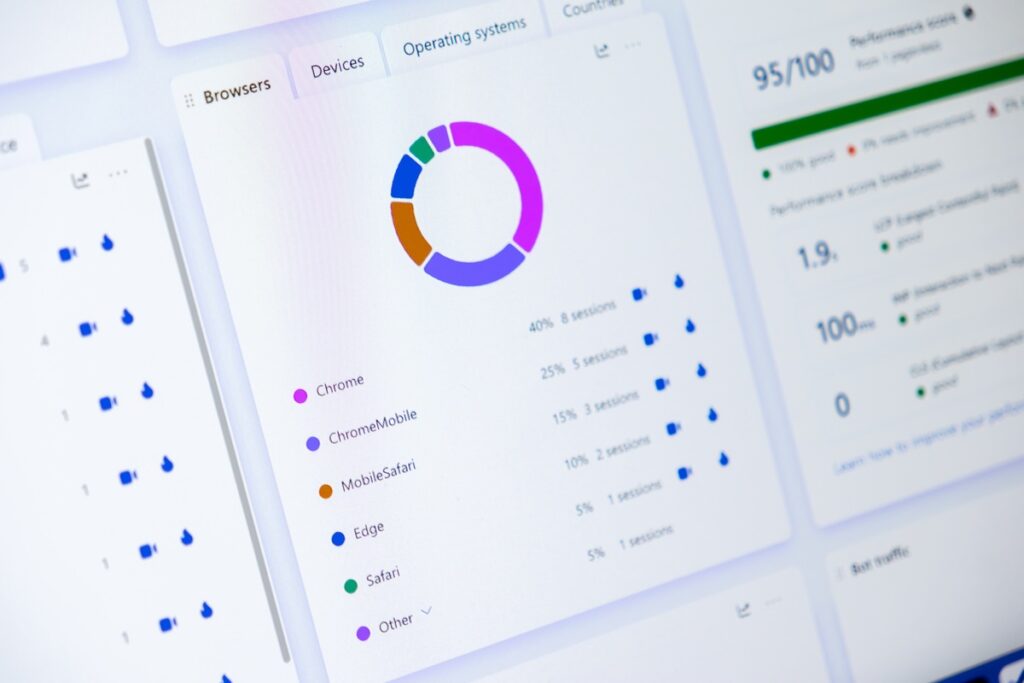
Don’t assume everything will work perfectly the first time. Test your marketing activities on a small scale, analyze the results, and learn from customer feedback. Track metrics like sales growth, engagement rates, and conversion data. This helps identify what works best and where improvements are needed before scaling up.
Step 5. Review and Adapt
The market constantly changes. New competitors, new trends, and new customer behaviors appear all the time. Review your marketing mix regularly to stay relevant.
Update pricing, refresh promotions, or adjust your processes to maintain a strong connection with your audience. A flexible, data-driven approach ensures long-term success and growth.
FAQs
Is the marketing mix only for large businesses?
No. Small businesses and startups can use it too. It helps structure decisions and create a professional strategy without needing a big budget.
How often should I update my marketing mix?
Ideally, review it every six months or whenever you launch a new product, face new competitors, or see changes in customer behavior.
Can digital businesses use the marketing mix?
Absolutely. Online companies apply the same principles, focusing on product design, pricing models, digital channels, and online promotion.
What is the most important P?
There isn’t one single “most important” P. All elements work best when they’re aligned and balanced around customer needs.
How do I know if my marketing mix is effective?
Track key metrics like sales growth, customer feedback, website traffic, and repeat purchases. If you’re meeting goals and keeping customers happy, your mix is working.