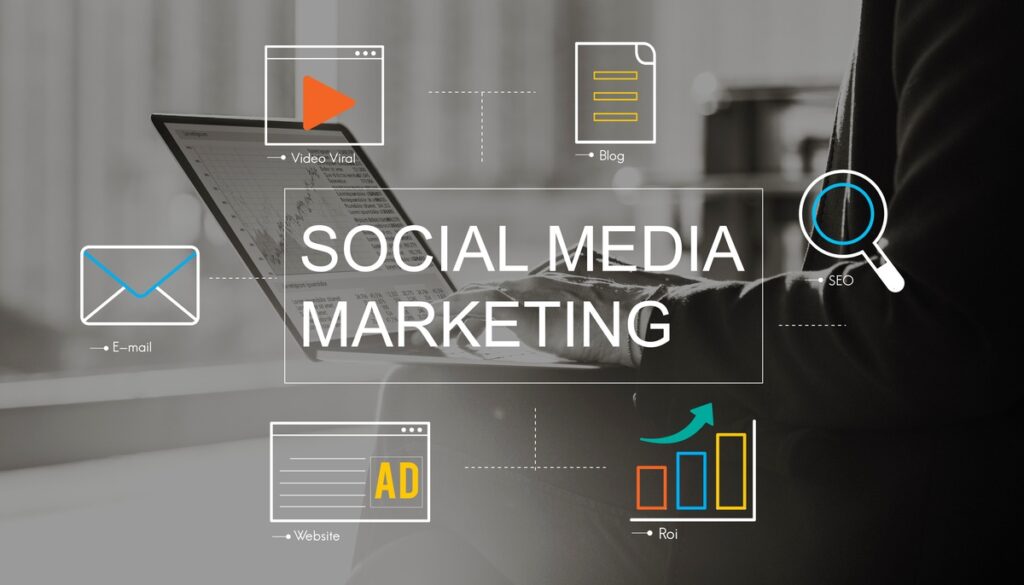
Media marketing has become one of the most effective ways to share messages, promote products, and build lasting relationships. Unlike one-size-fits-all advertising, it offers a range of tools, from broadcast TV to Instagram reels, that allow businesses to reach audiences where they are.
Let’s dive deeper into marketing in media and see how you can apply it to your business!
In This Article:
What Is Media Marketing?
Media marketing is the practice of promoting a business, product, or service through different types of media channels. These channels include digital platforms like social media, search engines, and websites; traditional outlets such as TV, radio, and newspapers; and blended approaches that mix both.
At its core, media marketing is about connecting with your audience in meaningful ways. Instead of only placing ads, it focuses on telling stories, building trust, and creating experiences that resonate with people. This can mean anything from running a Facebook campaign, writing a helpful blog, optimizing a website for Google searches, or even airing a TV commercial.
Benefits Of Media Marketing
Media marketing brings many advantages for businesses of all sizes:
- Increase brand awareness: By showing up on different platforms, whether it’s a social feed, a search engine, or a magazine, your brand becomes more visible to potential customers.
- Boost customer engagement and interaction: Social media, for example, allows two-way communication where customers can comment, share, and directly connect with your business. This helps build trust and a sense of community.
- Drive growth and sales: Digital strategies like SEO and email marketing can attract new leads, while traditional media like TV or billboards can reach large audiences quickly. Together, they create multiple paths for people to discover your brand and make a purchase.
- Easy to measure efficiency: With tools like Google Analytics or Facebook Insights, you can see how campaigns are performing, learn what works best, and make improvements. This ensures that your efforts lead to real results instead of guesswork.
Types Of Media In Marketing
Print Media Marketing

Print media is one of the oldest forms of marketing and still carries weight, especially for local and niche audiences. It includes newspapers, magazines, flyers, and brochures. Unlike digital ads that disappear with a scroll, print often feels more tangible and credible.
For example, a glossy magazine ad can highlight a luxury brand’s prestige, while a local newspaper ad can attract community attention. Print marketing works well when combined with digital campaigns, offering brand reinforcement.
Although circulation has declined, print still appeals to audiences who value physical reading material and can be highly effective in industries like real estate, healthcare, or local services.
Broadcast Media Marketing

Broadcast marketing uses TV, radio, and even cinema advertising to reach wide audiences. These channels are especially powerful for creating brand awareness quickly. A single TV ad during a popular show can reach millions, while radio ads are effective for local audiences during commuting hours.
Broadcast media works best for storytelling because visuals and sound together create a strong emotional impact. Despite the high costs, it’s still widely used by major brands and political campaigns. The main challenge is limited targeting compared to digital methods, but for building broad recognition and emotional appeal, broadcast marketing remains a proven strategy.
Outdoor Media Marketing

Outdoor marketing focuses on placing messages where people live, travel, and work. Examples include billboards, bus stop posters, taxi ads, and transit signage. These large, visual ads are designed for quick impact, catching attention in seconds. Outdoor campaigns are particularly effective for local awareness, events, or big product launches.
While they lack precise targeting, their constant visibility reinforces brand recall. A creative billboard or eye-catching poster can even go viral online if people share photos of it. Outdoor media is ideal for mass-market exposure in high-traffic areas, often complementing digital campaigns to create both physical and online visibility.
Digital Media Marketing
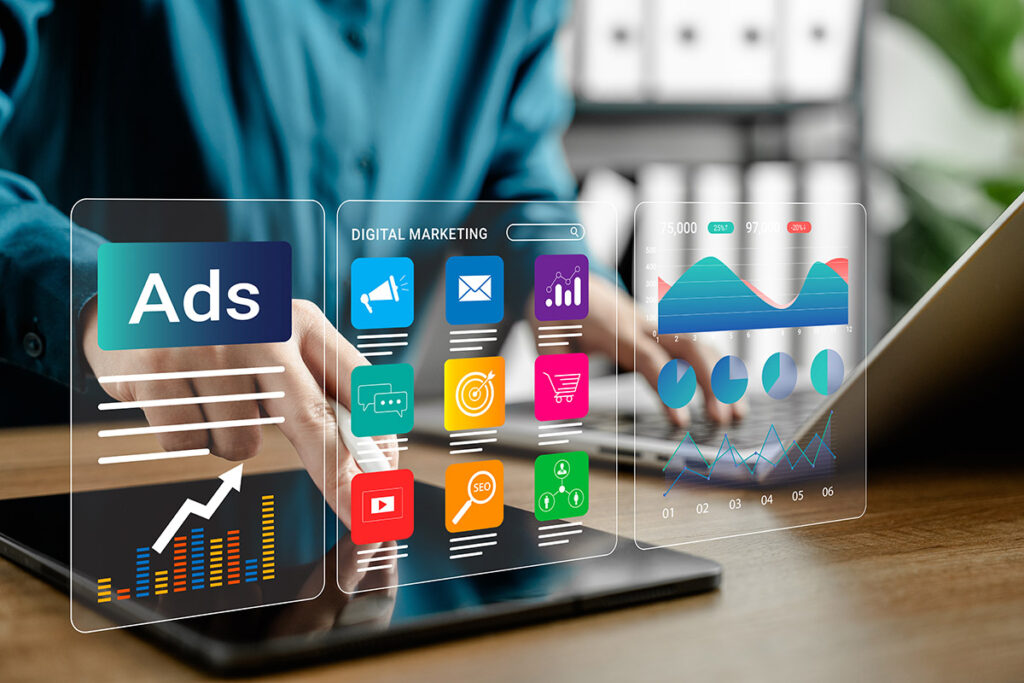
Digital marketing covers all online strategies to reach audiences via the internet. This includes company websites, blogs, online ads, and SEO (search engine optimization). Unlike traditional channels, digital platforms allow two-way engagement, real-time tracking, and cost-effective targeting.
Businesses use digital campaigns to attract leads, build relationships, and boost conversions. A well-optimized website serves as a 24/7 storefront, while blog content can drive organic traffic. The biggest advantage of digital marketing is measurable performance.
You can track visitors, clicks, and conversions. By constantly refining based on analytics, digital marketing enables businesses to maximize ROI and maintain long-term customer connections.
Social Media Marketing
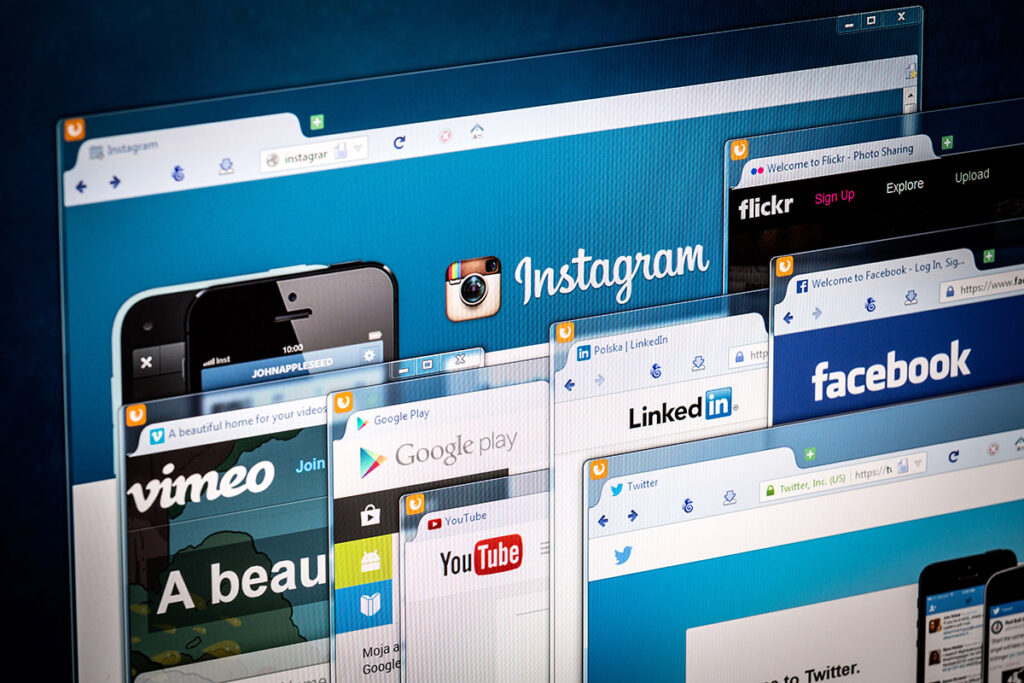
Social media marketing leverages platforms like Facebook, Instagram, LinkedIn, TikTok, and X (formerly Twitter) to connect with customers. It emphasizes content creation, audience engagement, and targeted advertising. Posts, stories, videos, and ads allow brands to showcase personality and build trust.
What makes social media unique is its ability to foster two-way conversations. Customers can comment, ask questions, and share content. Paid ads allow precise targeting based on demographics, interests, or behaviors.
Analytics tools also make it easier to see what resonates. With billions of users worldwide, social media marketing has become one of the most effective and affordable ways to grow brand awareness and loyalty.
Email Marketing

Email marketing remains one of the most cost-effective methods of engaging with audiences. Businesses use it to send newsletters, promotions, event invitations, or personalized offers.
Unlike social media, where algorithms control visibility, emails go directly into a subscriber’s inbox. Personalization is key. Segmented lists allow brands to send tailored messages based on customer preferences or past behaviors.
Open rates, click-throughs, and conversions can be tracked easily, helping refine future campaigns. Well-crafted emails nurture leads, strengthen customer relationships, and drive repeat sales. When done strategically, email marketing balances professionalism and personalization, making it an essential tool for long-term digital success.
Content Marketing
Content marketing focuses on creating valuable, informative, and engaging material to attract and retain customers. This includes blog posts, videos, whitepapers, podcasts, and eBooks. The goal is not direct selling but building trust and establishing thought leadership.
For example, a financial firm might publish free guides on saving strategies, positioning itself as an expert. Content marketing improves SEO, generates leads, and nurtures relationships over time. It works across different buyer stages, educating early-stage prospects and convincing decision-ready customers.
Unlike traditional ads, content marketing gives value first, which helps foster deeper, more loyal customer relationships while driving sustainable business growth.
Influencer Marketing

Influencer marketing partners with individuals who already have credibility and loyal followings. These influencers can be celebrities, industry experts, or micro-influencers with niche audiences. Brands collaborate with them for product reviews, sponsored posts, or creative campaigns.
The value lies in trust. Followers see recommendations as authentic rather than as ads. For example, a beauty influencer showcasing a new product can drive significant sales. Influencer marketing works especially well on platforms like Instagram, TikTok, and YouTube.
The key is choosing influencers whose values align with the brand. Done right, influencer partnerships can rapidly boost visibility, engagement, and brand credibility.
Affiliate Marketing
Affiliate marketing involves partnering with individuals or businesses who promote your products and earn a commission for each sale made through their referral link. This pay-for-performance model reduces upfront risk because you only pay when results are delivered. Affiliates may use blogs, review sites, social media, or email lists to promote offers.
For businesses, affiliate marketing expands reach without heavy advertising costs. For affiliates, it’s an income stream. Success depends on building strong relationships and offering attractive commissions. Affiliate marketing is especially popular in e-commerce, software, and lifestyle niches where recommendations can strongly influence buyer decisions.
Search Engine Marketing (SEM)

Search Engine Marketing focuses on paid strategies to increase visibility in search engines like Google and Bing. This typically involves Pay-Per-Click (PPC) ads that appear when users search for related terms. SEM ensures that your business shows up at the top of search results, giving instant visibility to high-intent customers.
Unlike SEO, which builds organic rankings over time, SEM delivers quick results, making it ideal for product launches or competitive markets. Campaigns can be tightly targeted by keywords, location, or demographics, ensuring ads reach the right audience. While it requires a budget, SEM offers measurable ROI and scalable growth.
Mobile Marketing
Mobile marketing targets customers on their smartphones and tablets. This includes SMS text campaigns, mobile apps, push notifications, and mobile-friendly websites. With mobile usage surpassing desktop, this channel is critical for reaching modern consumers.
Businesses can send time-sensitive offers via text, deliver personalized experiences through apps, or run in-app ads. Mobile marketing’s strength lies in immediacy. Messages often get seen within minutes. However, success requires balancing personalization with respect for privacy.
Optimizing websites and emails for mobile screens is also essential. With mobile devices central to daily life, mobile marketing ensures brands stay connected with audiences everywhere.
Video Marketing
Video marketing uses visual storytelling to engage and persuade audiences. Platforms like YouTube, Instagram Reels, TikTok, and Facebook make video one of the most consumed media formats today. Brands use videos for tutorials, product demos, testimonials, and storytelling ads.
The strength of videos is their emotional impact. Seeing and hearing together creates deeper connections than text alone. Live streaming adds authenticity and direct interaction, while short-form videos excel in grabbing attention quickly.
Video marketing improves SEO, increases engagement, and drives higher conversion rates. As audiences demand more dynamic content, video remains one of the most effective tools for brand growth.
Event Marketing
Event marketing builds connections through in-person or virtual experiences. This includes trade shows, conferences, product launches, pop-up shops, or webinars. Events allow brands to engage face-to-face, showcase products, and create memorable experiences.
Sponsoring or hosting events also builds authority and trust. For B2B companies, trade shows are crucial for networking and lead generation. For B2C, product launch parties or local pop-ups can create excitement and word-of-mouth buzz.
Virtual events and webinars extend reach globally, offering interactivity without geographical limits. Event marketing strengthens relationships and builds brand loyalty by making personal, lasting impressions that digital ads alone cannot achieve.
Direct Mail Marketing
Direct mail involves sending physical promotional material such as postcards, catalogs, or personalized letters directly to people’s homes or offices. Despite being traditional, it still works well when combined with digital campaigns.
Direct mail feels more personal and tangible, often standing out in a world full of digital noise. Businesses can target specific neighborhoods or customer segments with tailored offers. For example, real estate agencies often use direct mail to reach local homeowners.
Though printing and mailing have costs, direct mail achieves high response rates when creative, relevant, and timed correctly, making it a valuable part of multi-channel marketing.
Case Studies Of Successful Media Marketing
Spotify Wrapped Campaign
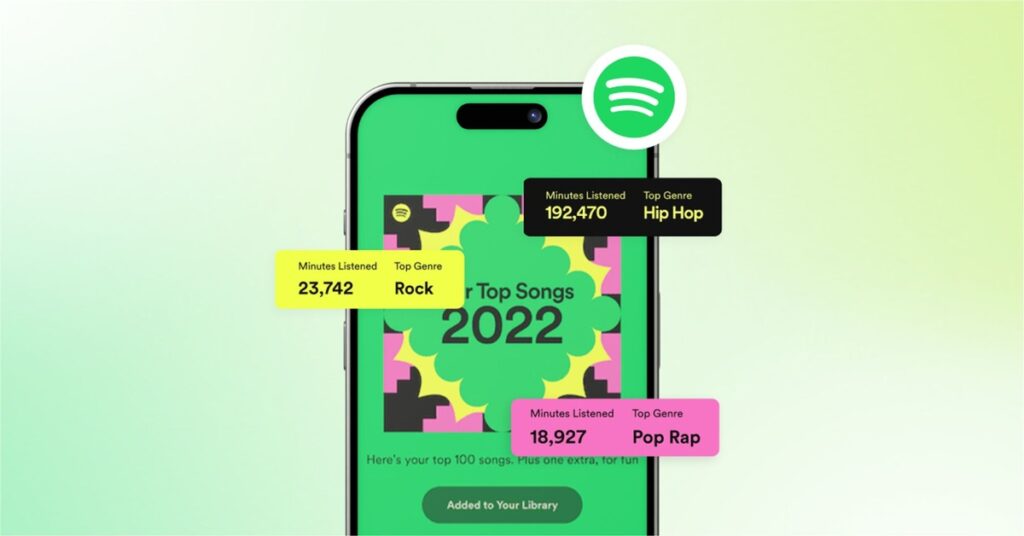
Spotify Wrapped shows the power of personalization in media marketing. Each year, users receive customized summaries of their top songs, artists, and genres. These fun, shareable reports make people feel special while turning them into brand promoters on social media.
Wrapped combines owned media (Spotify’s platform), earned media (shares and buzz), and social engagement to generate massive organic reach. It proves that when brands deliver personalized, story-driven content, customers will happily spread it for them.
The ALS Ice Bucket Challenge

The Ice Bucket Challenge is a textbook viral campaign that raised millions for ALS. Its success came from simplicity, just ice, water, and a phone, plus peer-to-peer challenges and a 24-hour deadline that created urgency.
Short, entertaining videos made the campaign irresistible to watch and share. By blending low barriers, social accountability, and fun content, the challenge spread worldwide and showed how community-driven participation can fuel massive awareness and impact.
Implement A Mix Of Traditional, Digital, And Social Media Marketing Strategies
The future of media marketing lies in balance. No single channel guarantees success. Instead, businesses should implement a mix of traditional, digital, and social media strategies. This integrated approach ensures wider reach, stronger engagement, and lasting impact.