Marketing can feel overwhelming when you’re trying to stand out in a crowded space. That’s where tactics come in, offering practical actions that deliver results. In this guide, you’ll find 17 tactics examples backed by data, plus tips to choose the right tactic for your business and measure its success.
In This Article:
What Is A Marketing Tactic?
A marketing tactic is a specific action or method that businesses use to promote their products or services and reach potential customers. Unlike a broad strategy, which gives overall direction, tactics are the practical steps that make the strategy work.
Examples include running social media ads, sending email newsletters, or improving website SEO. The goal of a marketing tactic is to connect with the right audience, build interest, and encourage them to take action, like visiting a website, signing up, or making a purchase.
17 Marketing Tactic Examples To Boost Sales
Search Engine Optimization (SEO)
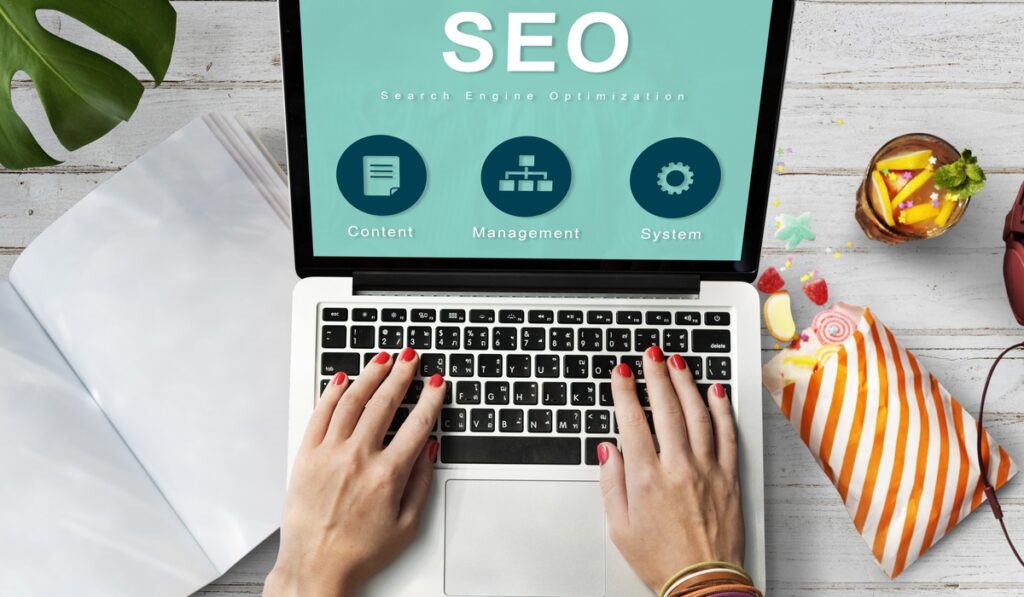
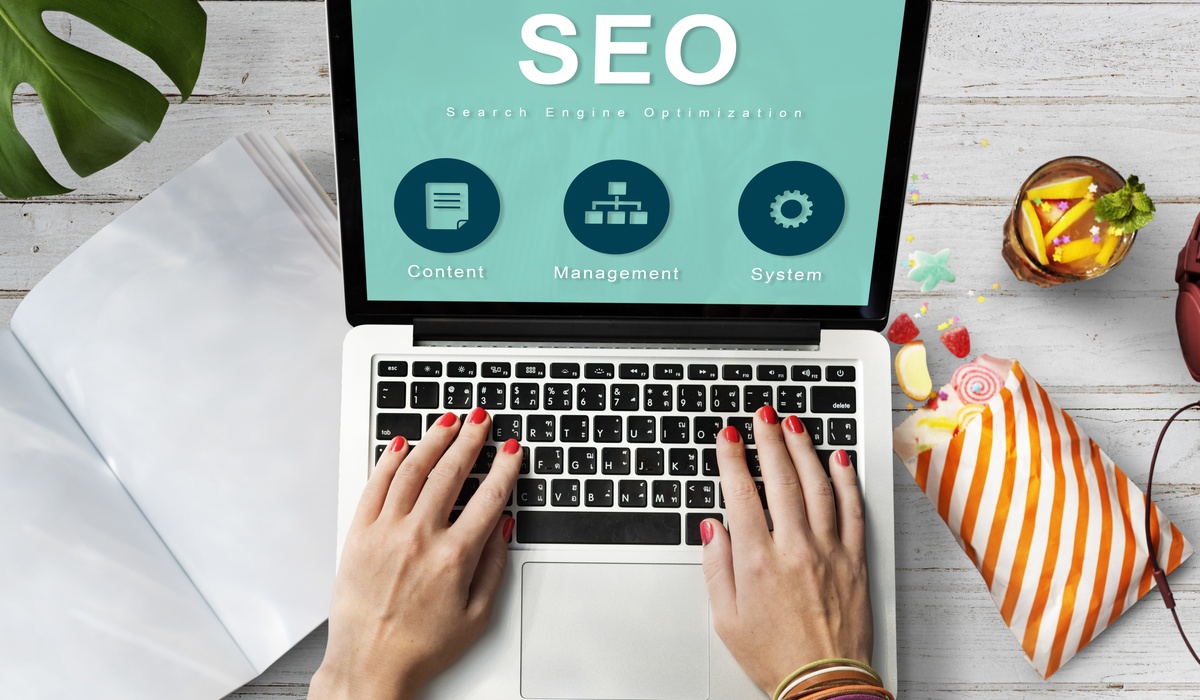
SEO helps your business appear higher in search results when people look for products or services like yours. By improving website speed, using the right keywords, and creating quality content, you can attract organic traffic without paying for ads.
HubSpot found that 29% of marketers say SEO is a trending tactic. A strong SEO plan builds long-term visibility, drives consistent visitors, and increases trust with your audience because people are more likely to click on top-ranking sites.
Pay-Per-Click (PPC) Advertising
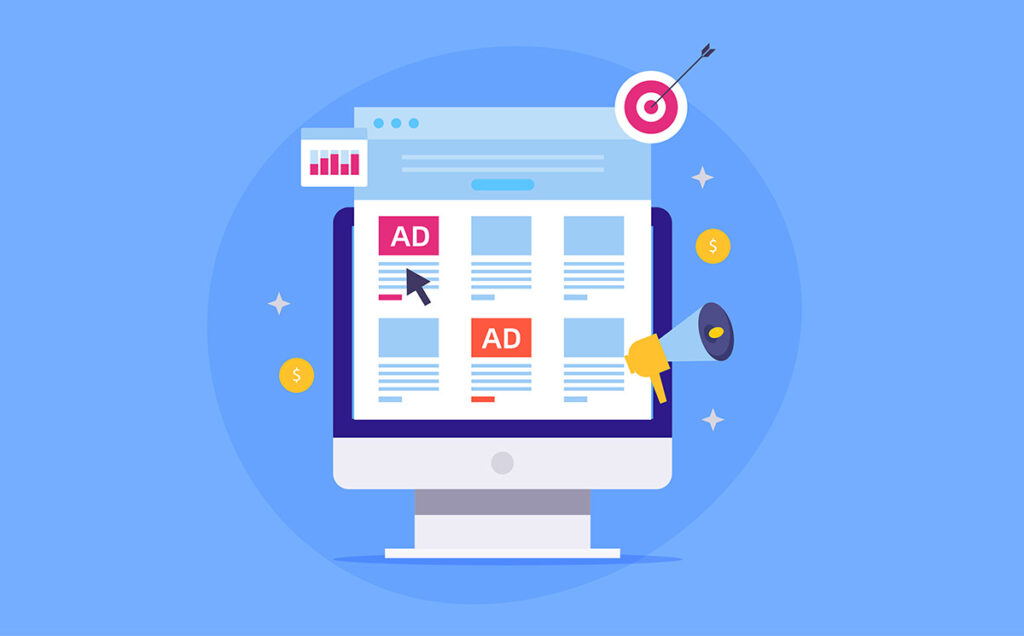
PPC ads allow you to show your product at the top of Google or on social media and only pay when someone clicks. This makes it easier to target specific audiences based on location, age, or interests.
According to WordStream, businesses make $2 on average for every $1 spent on Google Ads, making PPC one of the most cost-effective tactics. The results are fast, giving you instant traffic compared to SEO, which can take months.
Content Marketing (Blogs, Guides, Whitepapers)
Content marketing focuses on providing useful information that helps customers solve problems or learn something new. Blog posts, step-by-step guides, and in-depth whitepapers build trust and establish your brand as an expert.
For instance, businesses that publish blogs regularly generate 67% more leads per month than those that don’t [Hubspot]. By answering customer questions through content, you create a steady stream of visitors while also improving SEO.
Social Media Campaigns
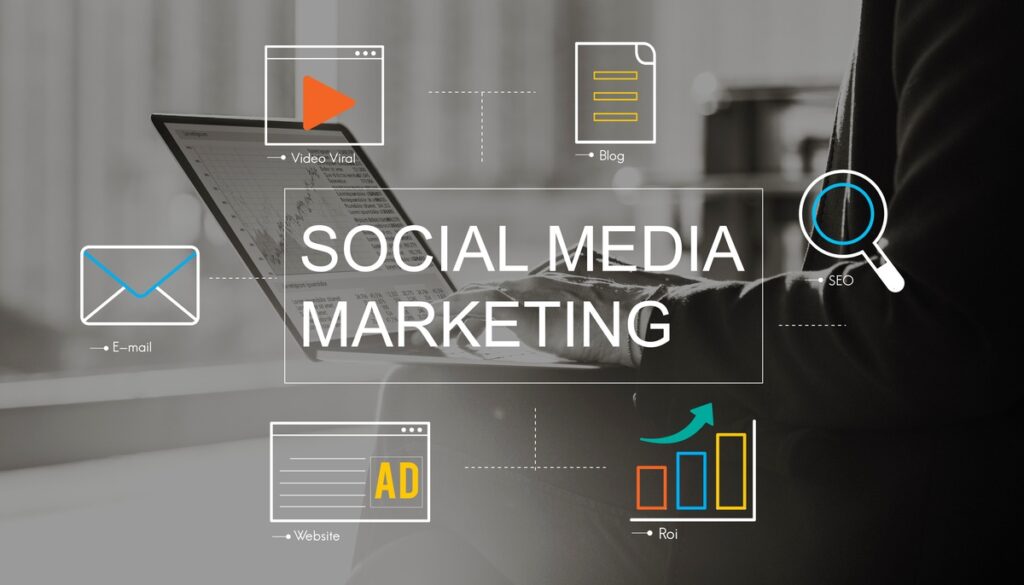
Social media platforms, such as Instagram, Facebook, X, and LinkedIn allow you to connect directly with your target audience. Campaigns can include giveaways, contests, or product launches.
Since over 5.24 billion people worldwide use social media (as of February 2025, according to Statista), the potential reach is massive. Effective campaigns are engaging, easy to share, and keep your brand top-of-mind. They also let you track likes, comments, and shares to measure impact quickly.
Email Newsletters And Drip Campaigns
Email is still one of the most powerful marketing tools. Newsletters help you share updates, promotions, and valuable content directly with your subscribers. Drip campaigns send a series of emails automatically based on customer behavior, like signing up or abandoning a cart.
According to Emailtooltester, email marketing generates $36 for every $1 spent, making it an excellent return on investment. The key is personalization, sending the right message to the right person at the right time.
Influencer Partnerships

Working with influencers allows brands to reach engaged audiences who already trust the influencer’s recommendations. Whether it’s a YouTube review, an Instagram story, or a TikTok demo, influencers help humanize your product.
In fact, 69% of consumers rely on influencer recommendations when making purchases (according to Digital Marketing Institute). Partnering with the right influencer in your niche can quickly increase awareness and sales.
Video Marketing (YouTube, TikTok, Instagram Reels)
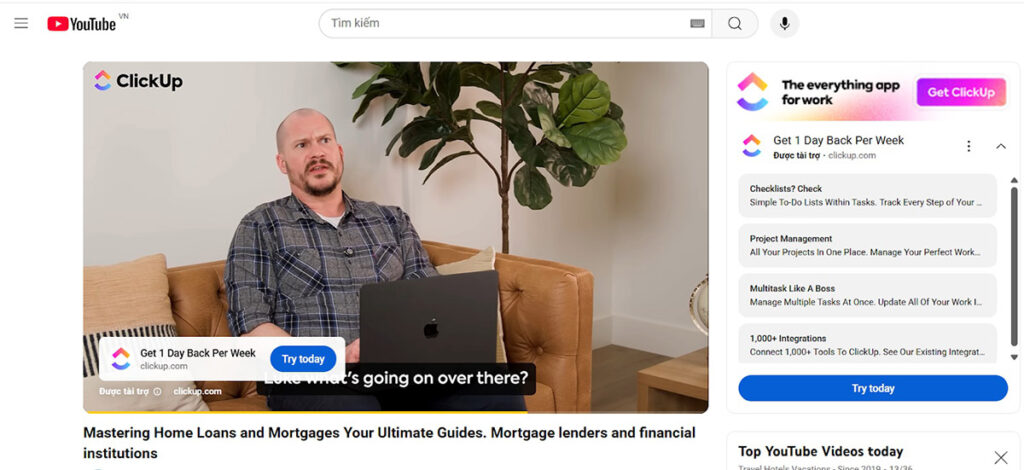
Video marketing is one of the fastest-growing tactics because people prefer short, engaging content. Platforms like YouTube and TikTok give you a chance to explain products visually, which builds trust.
A study by EyeView reveals that adding a video to landing pages can increase conversion rates by up to 86%. From tutorials to customer testimonials, video content allows brands to connect emotionally while also improving visibility in search engines.
Referral Programs And Word-Of-Mouth Incentives
People trust recommendations from friends and family more than ads. Referral programs encourage customers to spread the word by offering discounts, freebies, or credits for every new customer they bring.
Dropbox, for instance, grew its user base by 3,900% in just 15 months through referrals. This tactic builds loyalty while turning your customers into brand ambassadors.
Event Marketing (Webinars, Conferences, Workshops)
Events help businesses showcase expertise and build personal connections with audiences. Webinars, conferences, and workshops give potential customers a chance to interact directly with your brand.
A webinar can attract hundreds of attendees at once, providing both education and lead generation. Event marketing is effective for industries where trust and authority play a big role in the buying decision.
Public Relations (Press Releases, Media Outreach)
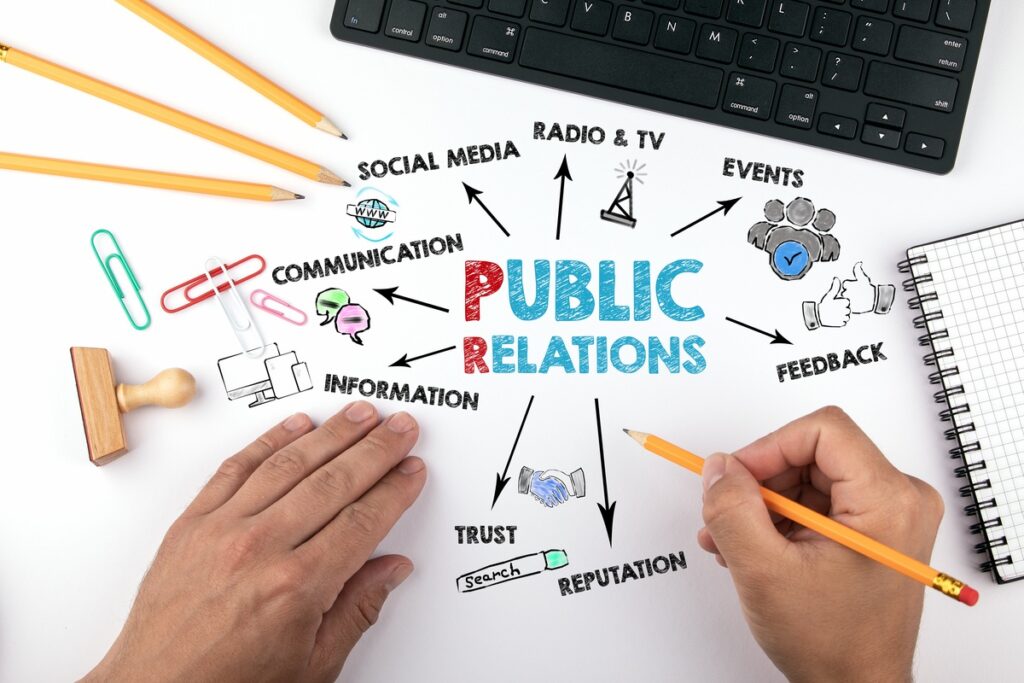
PR focuses on building a positive brand image through news coverage and media exposure. A well-written press release can land your company in top publications, giving you instant credibility.
This type of visibility often reaches audiences that traditional ads cannot. Media outreach is especially effective when launching new products, securing partnerships, or highlighting company milestones.
Retargeting Ads To Re-Engage Visitors
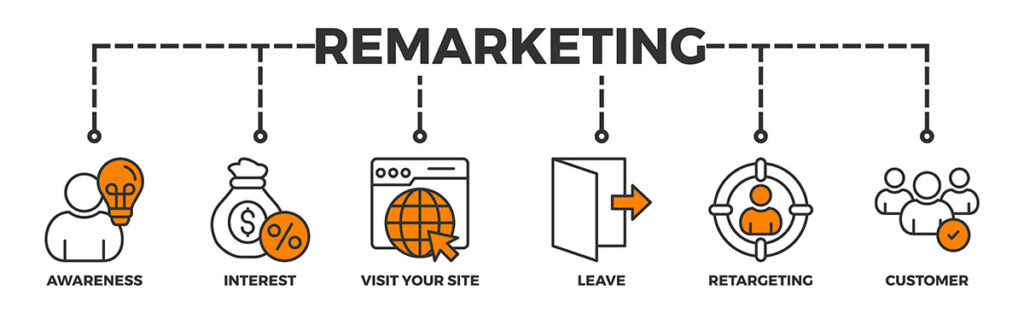
Retargeting ads remind visitors about your brand after they’ve left your site. For example, if someone views a product but doesn’t buy it, they might see an ad for it later on Facebook or Google.
Studies show that retargeted customers are 70% more likely to convert than new visitors. This tactic works well for abandoned carts and helps maximize the value of your existing traffic.
Community Building (Online Forums, Groups, Discords)
Communities give customers a space to connect, ask questions, and share feedback. Platforms like Facebook Groups or Discord servers let brands create a sense of belonging.
Building a community helps retain customers because they feel part of something bigger. It also provides valuable insights into what your audience wants, which can improve products and services over time.
Customer Loyalty Programs
Loyalty programs reward repeat buyers with discounts, points, or exclusive perks. This encourages customers to return and buy more often.
According to Hubspot, existing customers are 50% more likely to try new products and spend 31% more than new ones. A well-structured loyalty program strengthens brand relationships and creates long-term sales growth.
Direct Mail Campaigns

Although digital dominates, direct mail still works. Sending personalized postcards, flyers, or coupons creates a tangible touchpoint with customers. Studies show that direct mail has a response rate of 4.9%, much higher than email. It stands out because fewer businesses use it today, which means your message can capture more attention.
Free Trials Or Freemium Offers
Free trials let customers test a product before committing, reducing their risk. Software companies often use freemium models where basic features are free, and advanced ones require payment. Dropbox and Spotify both grew rapidly using this approach. By giving value upfront, free trials build trust and increase the chance of converting free users into paying customers.
Surveys, Polls, And Interactive Content
Surveys and polls help brands understand customer needs while also engaging them. Interactive content like quizzes or calculators keeps people on your site longer. For example, BuzzFeed built much of its traffic using fun, shareable quizzes. This tactic not only entertains but also collects useful data that can improve products or marketing messages.
Local SEO And Google Business Profile Optimization
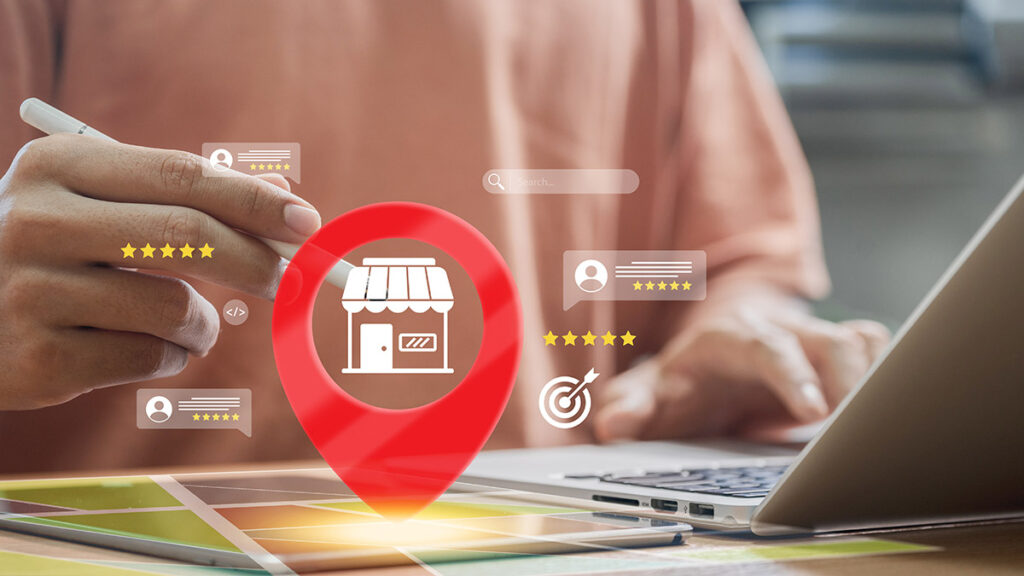
For businesses serving local markets, optimizing Google Business Profiles is essential. Appearing in local search results helps people nearby find your store, restaurant, or service.
Google’s research shows that 76% of people who search for something local on their phone visit a business within 24 hours. Local SEO ensures your business stays visible in “near me” searches and maps, driving both foot traffic and sales.
Marketing Tactics Vs Marketing Strategies
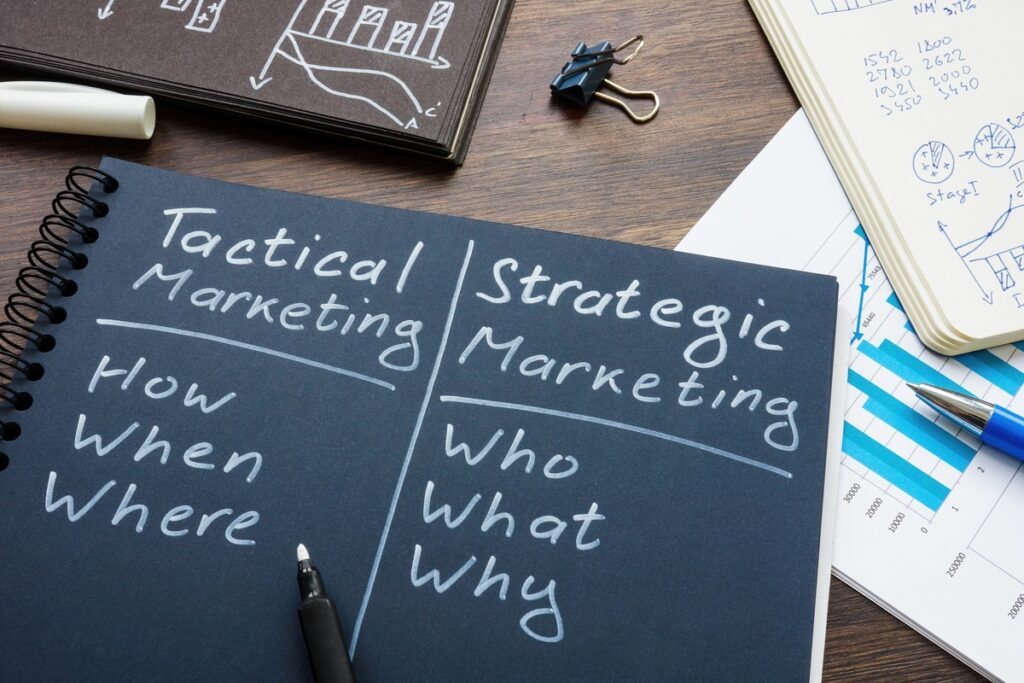
Marketing strategies and tactics often get confused, but they serve different purposes.
A marketing strategy is the big-picture plan that defines your goals, target audience, and overall approach to reaching customers. For example, a strategy might focus on becoming the most trusted eco-friendly brand in your industry.
A marketing tactic, on the other hand, is the specific action you take to achieve that strategy, like running social media ads about sustainability, sending newsletters, or hosting eco-focused events.
In short, strategies guide the “why” and “what,” while tactics handle the “how” and “when.”
What Marketing Tactic Fits Your Business The Most?
When deciding which marketing tactic is best for your business, consider these key factors:
- Business goals: Are you aiming for brand awareness, lead generation, or direct sales?
- Target audience: Understand where your customers spend time (social media, search engines, events).
- Budget: Some tactics, like SEO and email marketing, are low-cost, while PPC or events may require higher spending.
- Industry type: Certain industries perform better with niche tactics, like B2B companies using LinkedIn or SaaS companies offering free trials.
- Resources and skills: Choose tactics your team can manage effectively, such as content creation or ad management.
- Timeline for results: SEO takes months, while PPC or social ads deliver faster outcomes.
How To Know If A Marketing Tactic Works For Your Business?
To measure if a tactic is effective, track these important metrics:
- Website traffic: See how many people visit after campaigns like SEO, PPC, or social media.
- Conversion rate: Track the percentage of visitors who take desired actions (purchase, sign-up, download).
- Click-through rate (CTR): Measures how many people clicked on an ad, email, or link compared to how many saw it.
- Customer acquisition cost (CAC): The total cost of gaining a new customer, helpful for comparing tactics.
- Return on investment (ROI): Shows whether the revenue generated is higher than the marketing spend.
- Engagement metrics: Likes, shares, comments, or time on site that reflect target audience interest.
- Customer retention: Tracks how many customers return, often influenced by loyalty programs or community building.
Pick Your Marketing Tactic!
There’s no single “best” marketing tactic. What works for one business may not work for another. The key is to align your choice with your goals, target audience, and resources, then track performance to see what brings results.
Start small, test different approaches, and refine your efforts over time. With the right tactics in place, your business will be better positioned to attract customers, build trust, and grow sustainably.